
Pipelines keep industries like oil, gas, water, and chemicals moving, yet even a minor seal issue can lead to costly failures. When seals break down, companies face downtime, leaks, contamination, and safety risks that disrupt operations. That’s why choosing the right sealing solution is critical.
High-performance silicone O-rings for pipelines are designed to handle extreme heat, pressure, and chemical exposure, making them a reliable choice where standard seals fail.
In this blog, we’ll look at why pipelines fail, how hollow silicone O-rings prevent leaks, and why they’re the smart investment for long-term reliability.
Key Takeaways
- Pipeline failures often stem from weak or damaged seals, leading to costly downtime, leaks, and safety risks.
- Silicone O-rings provide heat resistance, chemical compatibility, and durability under pressure, making them ideal for critical pipeline systems.
- They are widely used in oil and gas, water treatment, and chemical processing industries where reliability is essential.
- Custom silicone O-rings offer precise fit, longer service life, and better protection against leaks compared to standard seals.
- Investing in high-performance O-rings saves costs long-term by reducing maintenance, unplanned shutdowns, and frequent replacements.
- Certified silicone O-rings that meet ISO, ASTM, and FDA standards ensure safe, compliant, and dependable sealing solutions.
Table of Contents
Why Pipeline Failures Are a Major Concern?
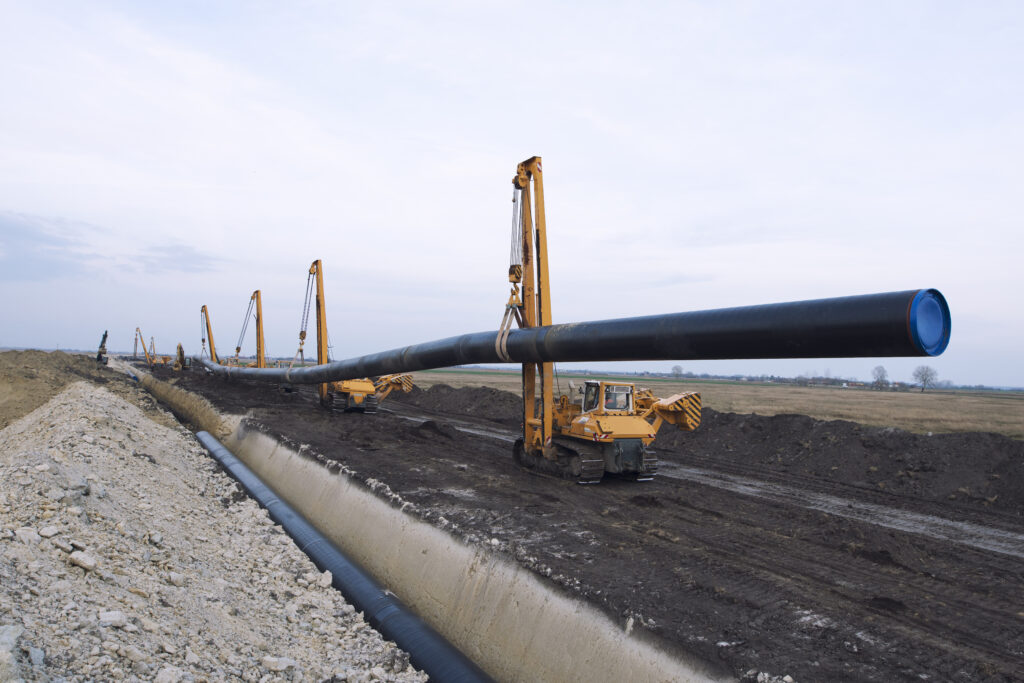
Pipelines are the backbone of industries like oil, gas, water, and chemicals, and even the smallest seal issue can turn into a major problem. Pipeline seal failures often lead to costly downtime, product loss, and safety hazards that affect both operations and the environment.
The most common reasons behind sealing failures in pipelines include extreme pressure spikes, rapid temperature changes, and continuous contact with harsh chemicals. When seals fail, the impact is not just financial but also operational, as entire systems may need to be shut down for repair, causing delays and unnecessary expenses.
The Role of O-Rings in Pipeline Sealing
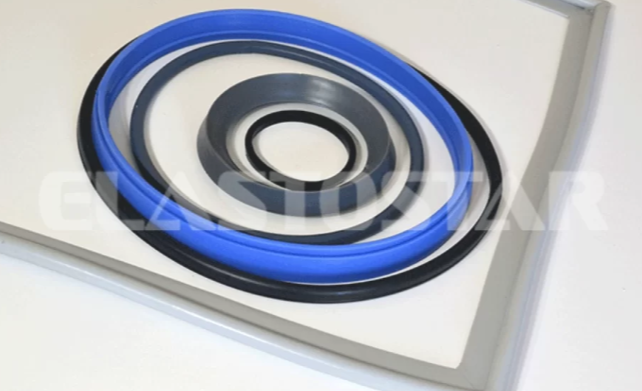
Flurosilicone O-rings are small components, but they play a big role in keeping pipelines safe and efficient. Pipeline O-ring seals are designed to create a tight barrier that holds pressure inside the system and prevents fluids or gases from escaping. Without them, even the strongest pipeline can face leaks and costly breakdowns.
Metal detectable Silicone O-rings are often the first choice for critical pipeline systems because they combine flexibility with strength. They resist heat, pressure, and chemical attack, reducing the risk of pipeline leakage. By providing reliable sealing under tough conditions, they help pipelines run longer and more safely.
Read More– Do Silicone O-Rings Stretch?
What Makes Silicone O-Rings High-Performance?

Extruded Silicone O-rings are considered high-performance because they are built to handle the toughest conditions pipelines face.
- Heat resistance: High-temperature silicone O-rings for pipelines remain stable even in systems exposed to extreme heat, making them reliable for oil, gas, and industrial use.
- Chemical compatibility: As chemical-resistant, they perform well with fuels, oils, and aggressive solvents that often damage standard materials.
- Durability under pressure: Designed as pressure-resistant, they hold their shape and sealing strength even when exposed to high pressure or constant vibration.
This combination makes custom silicone O-rings a trusted choice for critical sealing applications in pipelines.
Read more: High Temperature O-Rings for Industrial Applications
What are the Applications of Silicone O-Rings in Pipelines?
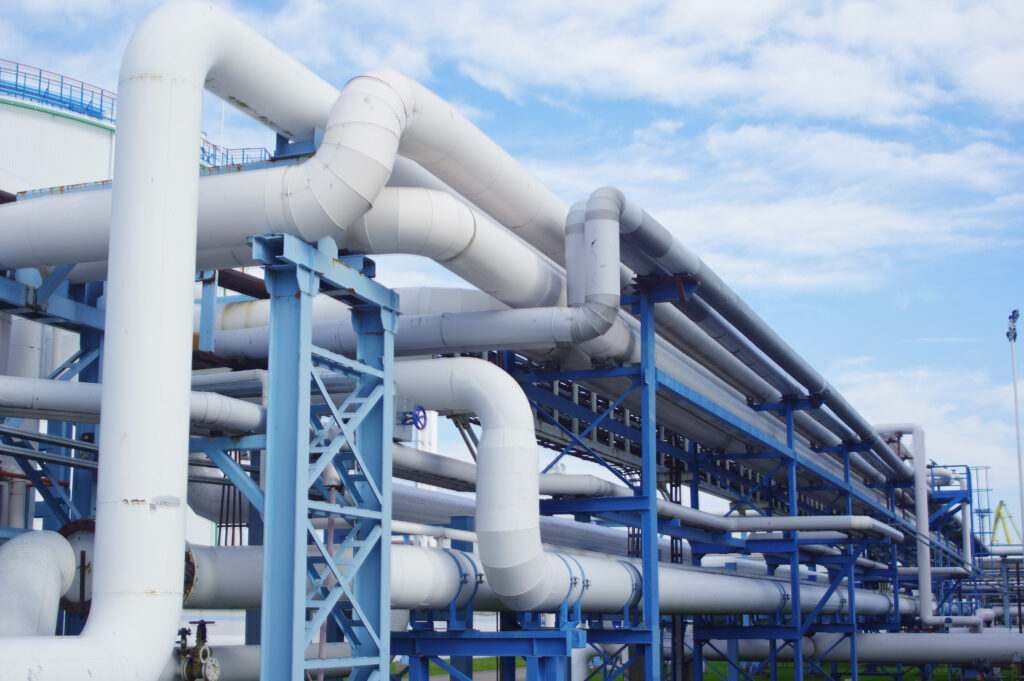
FDA silicone O-rings are trusted in some of the most demanding pipeline environments because of their ability to handle pressure, temperature, and chemicals.
- Oil & Gas Pipelines: Oil and gas pipelines provide secure sealing in fuel transport, refinery systems, and drilling operations. They stand up to hydrocarbons, extreme heat, and high-pressure conditions that often cause other seals to fail.
- Water & Wastewater Systems: Water and wastewater pipelines help prevent leaks, reduce contamination risks, and keep treatment facilities running smoothly. They are especially valued for their durability in constant flow systems.
- Chemical & Industrial Processing: Chemical pipelines are designed for resistance against acids, solvents, and cleaning agents, ensuring safety and efficiency in harsh industrial environments.
Their versatility across industries shows why hot-sliced O-rings are essential for maintaining pipeline integrity.
Read More– What Are the Uses of Silicone O-Rings?
Preventing Leaks with Custom Silicone O-Rings
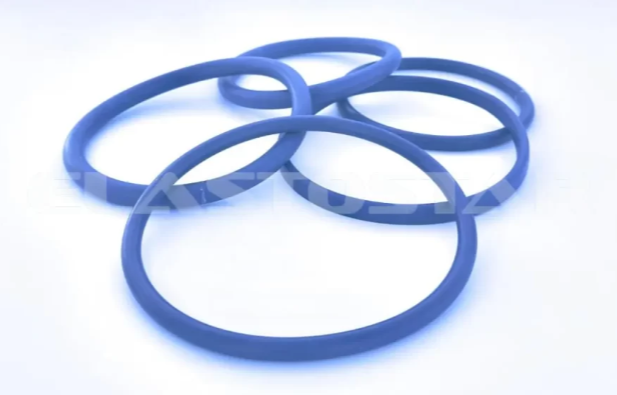
Standard O-rings often fail in pipelines because they are not designed to handle unique conditions like constant pressure shifts, chemical exposure, or extreme temperatures. These failures lead to costly repairs and downtime.
That’s where custom silicone O-rings for pipelines make the difference. Customized designs ensure a precise fit, better material compatibility, and improved durability compared to generic seals.
Key benefits of custom-engineered pipeline O-rings include:
- Better resistance to fuel, water, and chemicals.
- Optimized groove design to reduce wear and leakage.
- Extended service life, reducing pipeline maintenance and O-ring replacements.
With the right custom solution, industries gain stronger, longer-lasting sealing performance.
Case for Long-Term Cost Savings
Investing in high-performance Fluorosilicone O-rings may cost more upfront, but the long-term savings are significant. Durable for industrial pipelines reduces unplanned shutdowns, lowering expensive repair and replacement costs. By maintaining sealing performance under heat, pressure, and chemicals, they help extend the overall service life of pipeline systems.
When calculating the ROI, industries see that fewer failures, reduced downtime, and longer replacement cycles outweigh the initial expense. This makes premium silicone seals a clear choice for cost efficiency in sealing materials, especially in critical oil, gas, and chemical applications.
What are the Standards and Compliance for Pipeline O-Rings?

In pipeline systems, safety and reliability depend on meeting strict quality standards. Choosing seals that comply with recognized certifications ensures long-term performance and trust.
Key pipeline sealing standards include:
- ISO & ASTM – for consistency and durability in industrial and pipeline applications.
- FDA & USP Class VI – for water, food, and pharmaceutical pipelines requiring safe, contaminant-free sealing.
- AS9100 & IATF 16949 – for aerospace and automotive systems connected to pipeline operations.
Working with certified vulcanized silicone O-rings from trusted silicone O-ring manufacturers in the USA means every product is tested, compliant, and ready for critical environments.
Recommended Reads
- Top Applications of FDA Silicone Rubber in Food Processing Industries
- FDA Silicone Meaning: Properties & Considerations
- Custom Silicone O-Rings: Leading Manufacturer in the USA and Canada
Conclusion
Pipeline safety and efficiency depend on reliable sealing. Even the smallest failure can cause leaks, downtime, and high repair costs. That’s why high-performance silicone molded O-rings are more than just components; they’re an investment in long-term reliability. Their resistance to heat, chemicals, and pressure makes them the strongest choice for industries handling critical fluids and gases.
Choosing certified, durable seals not only prevents costly breakdowns but also extends the life of pipeline systems. For industries seeking dependable pipeline sealing solutions, contact Elastostar today for custom-engineered O-rings designed to meet the toughest operational demands.
Frequently Asked Questions (FAQ)
1. Why do pipelines commonly fail at the seals?
Most pipeline failures occur because seals weaken under pressure, temperature changes, or chemical attack. Using high-performance FDA silicone O-rings reduces this risk.
2. How do silicone O-rings prevent leaks in pipelines?
They create a tight barrier that holds pressure inside the system, preventing leaks and contamination even under harsh conditions.
3. Are silicone O-rings suitable for high-pressure pipeline systems
Yes, specially designed pressure-resistant custom silicone O-rings perform well in demanding, high-pressure environments.
4. What industries use silicone O-rings for pipelines?
They are widely used in oil and gas, water and wastewater, and chemical processing. For industry-specific guidance, reach out to Elastostar for custom-engineered pipeline sealing solutions.
5. Can silicone O-rings handle aggressive chemicals in pipelines?
Yes, chemical-resistant Metal detactable silicone O-rings are built to handle solvents, fuels, and cleaning agents. For recommendations on the right grade, contact Elastostar for expert advice.
6. What’s the difference between standard and high-performance silicone O-rings?
Standard O-rings may fail faster under pressure and chemicals, while high-performance silicone O-rings offer superior durability and stability in pipelines.
7. How often should O-rings in pipelines be replaced?
Replacement depends on pressure, chemical exposure, and usage cycles, but routine maintenance checks are key. For maintenance support, contact us at Elastostar to discuss pipeline O-ring solutions.
8. Are custom silicone O-rings better for pipeline sealing solutions?
Yes, custom silicone O-rings for pipelines provide a precise fit, longer service life, and reduced leakage.
9. Can silicone O-rings withstand both hot and cold temperature extremes?
Absolutely. High-performance silicone O-rings remain flexible in freezing conditions and stable at elevated heat levels.
10. Where can I order silicone O-rings for oil and gas pipelines in the USA?
You can order directly from silicone O-ring manufacturers in the USA, like Elastostar, who specialize in certified and custom solutions for pipeline sealing.
11. Do silicone O-rings meet pipeline safety standards?
Yes, certified silicone O-rings meet strict ISO, FDA, and ASTM standards to ensure safe and reliable sealing.
12. What materials are best for extreme pipeline conditions?
High-performance silicone, fluorosilicone, and Viton O-rings are recommended for sealing pipelines exposed to harsh fuels, solvents, and temperature extremes.
13. How do I select the right O-ring size for pipelines?
Correct sizing depends on groove design and pressure levels. For accuracy, contact Elastostar for help with O-ring selection and sizing.