
Platinum-cured silicone o-rings are widely trusted in the dairy industry for maintaining hygiene and food safety. In milk and dairy processing, even small contamination risks can affect product quality, cause costly downtime, and impact consumer trust.
These specialized seals provide superior purity, durability, and resistance to microbial growth compared to peroxide-cured alternatives. They are also designed to handle tough cleaning cycles, such as CIP and SIP, without breaking down.
In this blog, we explain why platinum-cured silicone o-rings are the preferred choice for dairy equipment and how they help keep operations contamination-free.
Key Takeaways
- Platinum cured silicone O-rings are trusted in dairy plants for hygiene and food safety.
- They resist microbial growth and withstand repeated CIP/SIP cleaning cycles.
- FDA and USP Class VI compliance makes them safe for direct food contact.
- Used in pumps, valves, tanks, and filling systems to prevent contamination.
- Longer lifespan and higher purity than peroxide-cured seals.
- Best choice for dairies looking to maintain product integrity and avoid costly downtime.
Table of Contents
Why Contamination Control Matters in Dairy Equipment?
Contamination is one of the biggest risks in dairy operations, as even a trace of bacteria or residue can compromise entire batches of milk and related products. The dairy sector operates under strict hygiene rules because products are consumed fresh and have shorter shelf lives compared to many other foods. For this reason, contamination prevention in food processing is not just a quality requirement but a safety priority.
Seals and O-rings used in pumps, valves, storage tanks, and pipelines play a vital role in blocking harmful microbes and preventing unwanted particles from entering the product stream. Without reliable sealing solutions, dairy plants face the dangers of product recalls, costly downtime, and damage to brand reputation. High-purity, compliant sealing components form the backbone of a safe and efficient dairy production system.
What Are Platinum-Cured O-Rings?
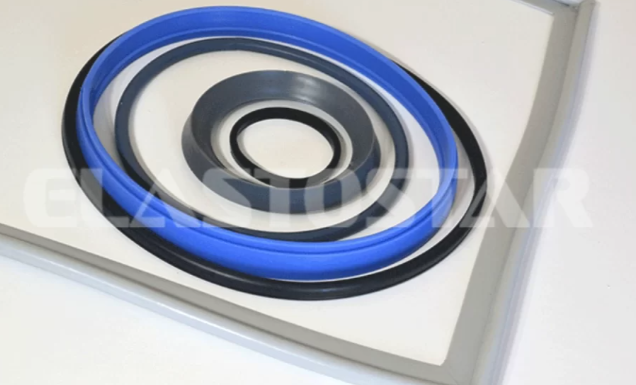
Platinum-cured silicone o-rings are high-purity sealing components designed for industries where hygiene and performance are critical. Peroxide-cured seals may release byproducts during use, but platinum-cured variants are produced through a cleaner curing process that avoids harmful residues.
These O-rings have a smooth surface finish, excellent durability, and strong resistance to chemicals used in cleaning and sterilization. They are also highly biocompatible, which is why they are a preferred choice in dairy, food, beverage, pharmaceutical, and medical applications. Their purity and reliability support safer product handling and long-term sealing performance in equipment that undergoes frequent sanitation cycles.
FDA & USP Class VI Compliance for Food Safety
FDA-compliant platinum-cured silicone o-rings are required in dairy and food processing because they meet strict safety standards for contact with consumable products. These approvals confirm that the material will not leach harmful substances, protecting both equipment and end consumers.
Along with FDA regulations, USP class VI platinum-cured o-rings are tested for biological reactivity to confirm biocompatibility. Passing this standard proves the seals are safe for hygienic applications where purity, consistency, and reliability are non-negotiable.
Together, FDA and USP Class VI compliance provide full assurance that these O-rings support safe food handling and contamination-free processing.
Also Read– FDA Silicone: Properties, Applications, and Considerations.
How Platinum-Cured O-Rings Prevent Contamination?
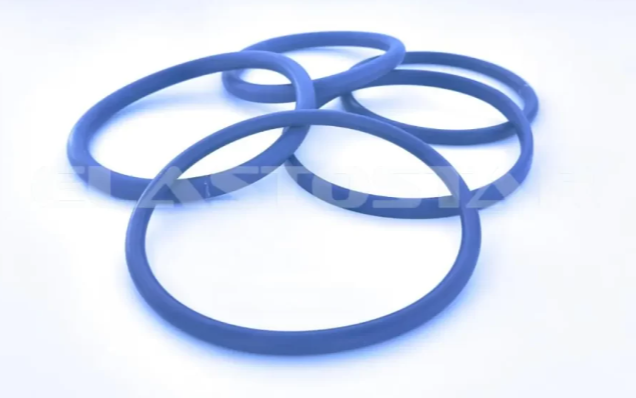
Hygienic silicone o rings are engineered to block microbial growth and maintain purity in dairy processing. Their smooth surfaces stop residue from collecting, which keeps CIP and SIP cleaning cycles effective.
In addition, food grade sealing solutions for dairy industry contain no peroxide byproducts or harmful extractables. This lowers the risk of leachables entering milk and other dairy products, helping tanks, pumps, and pipelines stay safe for long-term use.
Key ways platinum-cured O-rings prevent contamination:
- Smooth non-porous surfaces reduce residue buildup.
- No peroxide byproducts or fillers that affect milk purity.
- High resistance to microbial growth in dairy systems.
- Reliable sealing performance during CIP and SIP cleaning.
What are the Applications of Platinum-Cured O-Rings in the Dairy Industry?
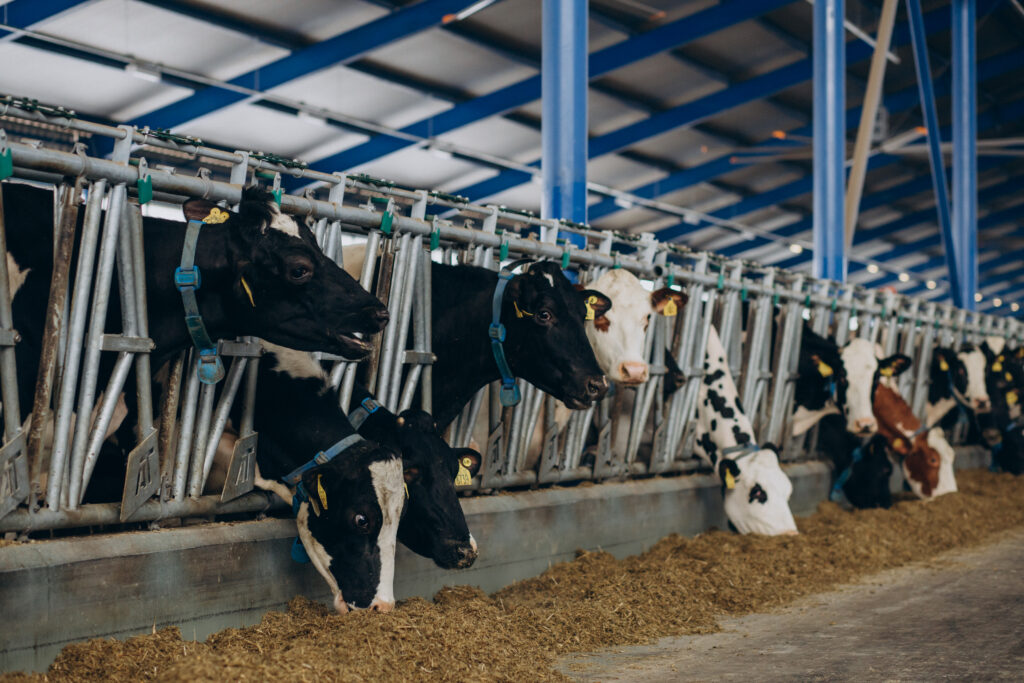
Dairy processing equipment seals play a direct role in protecting milk and other dairy products from contamination. extruded O-rings are trusted across multiple applications because of their purity, durability, and compliance with strict food safety standards.
Platinum-cured silicone o-rings for milk processing are widely used in pasteurization systems, pipelines, and hygienic storage tanks where product integrity must be maintained at all times.
Key applications include:
- Pasteurization and storage tanks for milk and dairy products.
- Pumps, valves, and transfer pipelines in dairy plants.
- Clean-in-place (CIP) systems that demand reliable sanitary seals.
- Hygienic filling and packaging equipment in processing lines.
Platinum-Cured vs Other O-Ring Materials in Dairy Processing
When selecting food and beverage grade o-rings for dairy applications, it is important to compare platinum-cured silicone with other common sealing materials.
Each option has different strengths and limitations:
- Platinum-Cured Silicone O-Rings
High purity, resistant to microbial growth, excellent for high hygiene and direct product contact. - Peroxide-Cured Silicone O-Rings
Lower cost but can release byproducts, less suitable for sensitive dairy processing lines. - EPDM (Ethylene Propylene Diene Monomer)
Good chemical resistance but limited performance under high heat and steam sterilization. - Nitrile (Buna-N)
Strong against oils and fats, but not ideal for high temperatures or repeated CIP cleaning.
Platinum-cured silicone stands out as the safest choice in dairy equipment because it combines purity, compliance, and durability across a wide range of applications.
Read More– Platinum-Cured Silicone vs. Regular Silicone.
How to Choose the Right Platinum-Cured O-Rings for Dairy Equipment?

Selecting the right seals is vital to ensure the safety and hygiene of dairy machinery. The right choice depends on both performance and compliance.
Here are the main factors to look at:
- Size and fit – O-rings must match pumps, valves, and tanks accurately.
- Material grade – Always use FDA and USP Class VI platinum-cured seals for dairy processing.
- Cleaning resistance – Seals should withstand repeated CIP and SIP cycles without breaking down.
- Chemical compatibility – O-rings must resist dairy fats, sanitizers, and cleaning chemicals.
- Trusted source – Work with a certified Platinum-Cured O-Rings manufacturer in the USA for reliable quality and short lead times.
With these checks in place, dairy plants can prevent contamination and maintain smooth operations.
Recommended Reads
- Silicone Rubber O-Rings: Meaning, Applications & Properties elastostar.com
- How to Differentiate Between Food-Grade (FDA) Silicone & Regular Silicone elastostar.com
- What Industries Use Silicone Tubing & O-Rings? elastostar.com
Conclusion
In the dairy industry, seal quality directly affects hygiene and product safety. Platinum-cured O-rings provide unmatched reliability by resisting microbial growth, meeting FDA and USP Class VI standards, and withstanding harsh cleaning cycles. With certified food safety o-rings, dairies safeguard their equipment, protect milk and dairy products, and maintain compliance with global regulations.
Elastostar manufactures platinum-cured solutions trusted across the food and beverage sector. If you are planning new projects or need replacements for existing systems, reach out to us today to discuss your requirements and get the right O-rings delivered on time.
FAQs
Q1. What makes platinum-cured O-rings safer than peroxide-cured O-rings in dairy equipment?
Platinum-cured O-rings are safer because they do not release harmful byproducts during use. They have higher purity, smoother surfaces, and greater resistance to microbial growth, which is critical for dairy hygiene.
Q2. Why are FDA-compliant platinum-cured O-rings required in the food industry?
The FDA requires materials in direct food contact to meet strict safety standards. FDA-compliant platinum-cured O-rings reduce contamination risks and help dairy processors meet food safety regulations. Elastostar supplies certified seals trusted by food manufacturers worldwide.
Q3. Can platinum-cured O-rings withstand cleaning processes like CIP and SIP?
Yes. These O-rings maintain their integrity under hot water, steam sterilization, and chemical sanitizers used in CIP (Clean-in-Place) and SIP (Steam-in-Place) processes. For dairy processors, Elastostar provides FDA and USP Class VI-approved O-rings built for CIP/SIP systems.
Q4. What dairy equipment parts commonly use silicone O-rings?
Silicone O-rings are widely used in pumps, pipelines, storage tanks, filling machines, and valve assemblies across dairy processing facilities.
Q5. How do platinum-cured O-rings prevent microbial contamination?
They have non-porous surfaces and do not leach byproducts, which helps prevent microbial buildup. Their biocompatibility supports safe, hygienic processing of dairy products.
Q6. Are platinum-cured O-rings resistant to dairy chemicals and sanitizers?
Yes. These O-rings resist fats, proteins, and strong cleaning agents found in dairy environments, which makes them long-lasting and reliable.
Q7. What is the difference between USP Class VI and FDA compliance for O-rings?
FDA compliance covers food contact safety, while USP Class VI tests for biological reactivity in medical and food-grade materials. Having both means the O-rings meet the highest global hygiene and safety standards.
Q8. Can platinum-cured O-rings be used in both dairy and beverage processing?
Absolutely. Their purity, durability, and compliance with FDA and USP Class VI make them suitable for dairy, beverage, and other hygienic industries. Contact Elastostar to discuss solutions for both sectors.
Q9. Do platinum-cured O-rings have a longer lifespan than peroxide-cured ones?
Yes. Their resistance to chemical breakdown, heat, and microbial growth gives them a longer service life compared to peroxide-cured O-rings.
Q10. Where can I buy platinum-cured O-rings for dairy applications in the USA?
You can source high-quality, FDA and USP Class VI certified platinum-cured O-rings directly from Elastostar. Reach out to our team for custom sizes, fast delivery, and technical support.