O-rings may be small, but the material you choose determines their true cost over time. A seal that fails too quickly can cause downtime, contamination, and expensive replacements that outweigh the initial savings.
This makes cost efficiency in sealing materials a top priority for industries that depend on reliable performance. Among the most common options are platinum-cured silicone, peroxide-cured silicone, and Viton O-rings. Each type has its strengths, weaknesses, and cost factors.
In this O-ring selection guide, we’ll compare their performance and lifecycle value to see which option truly saves money in the long run.
Key Takeaways
- The choice of O-ring material impacts long-term cost more than upfront price.
- Platinum-cured silicone O-rings provide high purity, durability, and are ideal for food, medical, and pharma industries.
- Peroxide-cured silicone O-rings are budget-friendly initially but need frequent replacements, raising lifecycle costs.
- Viton O-rings resist fuels, oils, solvents, and extreme heat, making them the most cost-effective in harsh conditions.
- A proper O-ring cost comparison should focus on lifecycle value and performance, not just purchase price.
- Custom O-rings provide tailored fit and material compatibility, reducing downtime and improving reliability.
- Industries should balance safety, durability, and total cost of ownership before selecting O-ring materials.
Table of Contents
Why O-Ring Material Choice Impacts Cost
Rubber O-rings play an important role in keeping equipment sealed and reliable. When the right material is used, seals last longer and reduce the need for constant maintenance. If the wrong material is chosen, failures can lead to downtime, contamination, and frequent replacements that cost far more than the part itself.
A proper custom O-ring cost comparison looks beyond the upfront price and considers long-term performance. By focusing on long-lasting sealing solutions, industries can avoid unnecessary breakdowns and achieve better value over the entire service life of their equipment.
What Are Platinum-Cured Silicone O-Rings?
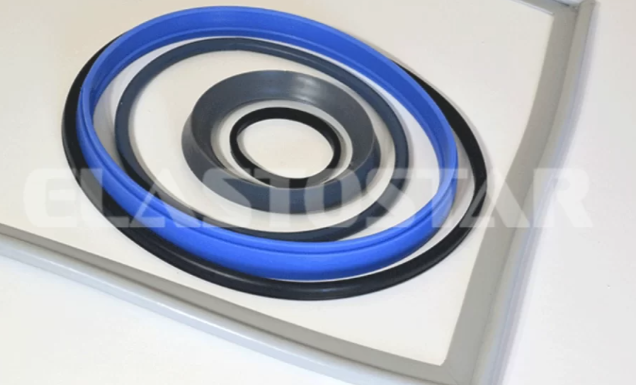
Platinum-cured silicone O-rings are known for their purity, durability, and safe performance in sensitive applications. Unlike standard seals, they maintain reliability even under strict hygiene and chemical exposure requirements.
Key Properties and Benefits:
- Ultra-pure material suitable for clean environments.
- Strong resistance to microbial growth.
- Excellent flexibility and sealing strength.
- Reliable chemical-resistant O-rings for solvents and cleaning agents.
- Long service life, reducing replacement needs.
Where They’re Used:
- Medical and pharmaceutical equipment requires sterile seals.
- Food and beverage processing involves avoiding contamination risks.
Though food-grade platinum-cured O-rings come with a higher upfront cost, their durability and reliability lead to fewer failures and better long-term savings.
Also Read – A Complete Guide – What Is Rubber Silicone O-Rings?
What Are Peroxide-Cured Silicone O-Rings?
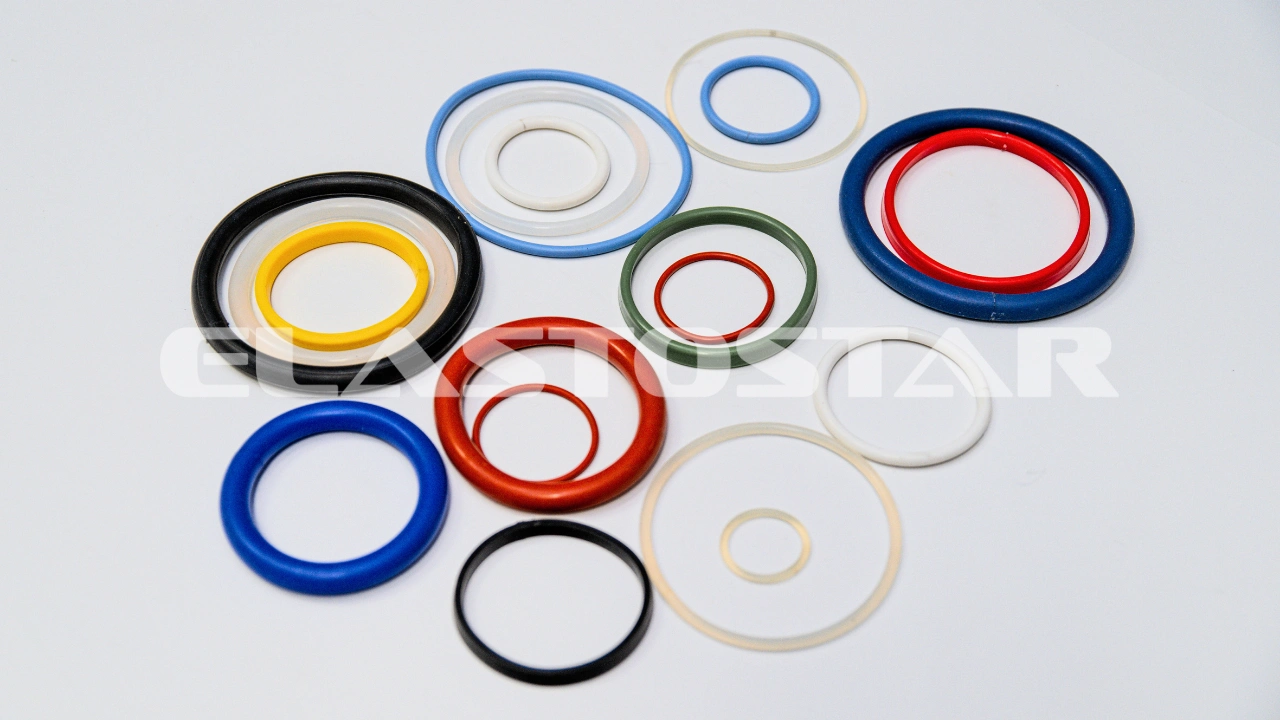
Peroxide-cured silicone O-rings are produced using organic peroxides as curing agents. This method makes them affordable and widely available for general sealing needs. While effective in many standard applications, they carry some drawbacks compared to platinum-cured options.
Key Benefits:
- Lower initial cost, making them budget-friendly.
- Good flexibility and sealing performance in less demanding conditions.
- Reliable peroxide-cured seals for general industrial use.
Limitations:
- May release by-products, raising contamination risks in food, pharma, or medical systems.
- Shorter lifespan compared to platinum-cured silicone.
- More frequent replacements increase lifecycle costs.
Cost Considerations:
While they offer the lowest price upfront, an O-ring material cost analysis often shows that peroxide-cured options can be more expensive long-term in industries where cleanliness and durability are critical.
Also Read– Which is better: Peroxide Cured or Platinum Cured Silicone Tubing?
What Are Viton O-Rings?
Viton rubber O-rings are made from fluorocarbon elastomers, known for their outstanding resistance to chemicals, fuels, and extreme heat. They are a preferred choice in industries where seals are exposed to aggressive substances or high operating temperatures.
Key Properties and Strengths:
- Excellent resistance to fuels, oils, and solvents.
- High durability in aggressive chemical environments.
- Reliable high-temperature Viton O-rings with performance up to +400°F (+204°C).
- Superior sealing strength in both static and dynamic applications.
Where They’re Used:
- Aerospace: fuel systems, hydraulic systems, and engines.
- Automotive: engines, emission controls, and fuel handling.
- Chemical processing: pumps, valves, and harsh chemical lines.
Cost Considerations:
Though Viton has a higher upfront cost, it is regarded as a high-performance O-ring material because it significantly reduces failures and replacements in harsh environments, making it cost-effective in the long run.
Also Read– Viton vs Silicone‘O’Rings: Which is the Best Choice?
Platinum vs Peroxide vs Viton O-Rings: Performance Comparison
Choosing the right O-ring material depends on how it performs under chemicals, temperature, and long-term use.
Each option has its strengths and weaknesses, and the comparison below highlights the key differences.
| Factor | Platinum-Cured O-Rings | Peroxide-Cured O-Rings | Viton O-Rings |
| Chemical Resistance | Excellent for sensitive fluids, solvents | Moderate, not ideal for harsh chemicals | Excellent for fuels, oils, solvents |
| Temperature Tolerance | Good (up to ~350°F / 177°C) | Good (up to ~300°F / 149°C) | Excellent (up to ~400°F / 204°C) |
| Durability | Long-lasting, minimal contamination risk | Moderate, prone to faster aging | Very durable in harsh chemical/heat |
| Industries Best Suited | Food, medical, pharma | General sealing, non-critical | Aerospace, automotive, chemical |
| Cost Impact | Higher upfront, low lifecycle cost | Lowest upfront, higher replacement costs | Highest upfront, cost-effective in harsh uses |
This comparison shows that platinum vs peroxide O-rings differ mainly in purity and durability, while platinum vs Viton O-rings balance safety against chemical strength.
In many industries, the final decision comes down to lifecycle value rather than just upfront price, which is where an O-ring durability comparison becomes critical.
Cost vs Lifecycle: Which O-Ring Saves Money?
When it comes to O-rings, the lowest purchase price does not always mean the lowest overall cost. The real measure lies in long-term performance and reliability.
- Platinum-cured O-rings: Higher upfront cost, but the best long-term choice for safety, purity, and reduced replacement cycles.
- Peroxide-cured O-rings: The cheapest upfront, yet often lead to hidden expenses from downtime, contamination, and shorter service life.
- Viton O-rings: The most expensive initially, but provide unmatched value in extreme fuel, chemical, and high-temperature environments.
In the end, O-ring performance vs cost should be weighed through the total cost of ownership of O-rings, making cost efficiency in sealing materials the key factor in decision-making.
When to Use Custom O-Rings?
In critical applications, standard sizes and materials often fall short. This is where custom O-rings for industrial applications make the difference. By customizing the material, size, and design, they help prevent failures that can cause costly downtime or safety risks.
- Custom silicone O-rings are widely used in food, pharmaceutical, and medical equipment where purity and compliance are essential.
- Custom Viton O-rings are preferred in aerospace, automotive, and chemical industries where seals must handle fuels, solvents, and extreme heat.
Investing in custom-engineered solutions ensures better performance, longer service life, and peace of mind in demanding environments.
Recommended Reads
- Square Gaskets vs Round Gaskets Under High Pressure
- High Temperature O-Rings for Industrial Applications
- Custom Silicone O-Rings: Leading Manufacturer in the USA and Canada
Conclusion
When it comes to sealing solutions, the cheapest option upfront is rarely the most cost-effective in the long run. Platinum-cured O-rings are the best choice for sensitive industries like food, pharma, and medical, where purity is critical. Viton O-rings deliver unmatched performance in harsh chemical and high-temperature environments, while peroxide-cured O-rings remain a reasonable choice for general applications.
The key is to focus on lifecycle value, not just sticker price, through a proper O-ring cost comparison. Elastostar provides long-lasting sealing solutions with certified, custom-engineered O-rings. Contact us today to discuss your requirements.
Frequently Asked Questions (FAQ)
1. What is the main difference between platinum and peroxide-cured O-rings?
Platinum-cured silicone O-rings are purer, cleaner, and safer for sensitive uses like food industry, pharma, and medical. Peroxide-cured O-rings are cheaper upfront but may release by-products, making them less suitable for critical industries.
2. Are Viton O-rings more expensive than silicone O-rings?
Yes. Viton O-rings typically cost more than silicone rubber , but they offer excellent resistance to fuels, oils, and high temperatures, making them more cost-effective in harsh environments.
3. Which O-rings last longer: platinum cured, peroxide cured, or Viton?
Platinum-cured O-rings and Viton O-rings generally last longer due to superior durability and chemical resistance, while peroxide-cured O-rings have a shorter lifespan.
4. Why are platinum-cured O-rings preferred in the medical and food industries?
They are considered food-grade platinum-cured O-rings with high purity and resistance to microbial growth, making them safe for sensitive and hygienic environments.
5. Can peroxide-cured O-rings be used in dairy or pharmaceutical applications?
They can be used, but they are not recommended for critical systems. Peroxide-cured seals may pose contamination risks compared to platinum-cured alternatives.
6. What industries benefit most from Viton O-rings?
Viton rubber O-rings are widely used in aerospace, automotive, and chemical processing, where strong resistance to fuels, solvents, and high temperatures is required.
7. How does lifecycle cost compare between silicone and Viton O-rings?
Silicone O-rings cost less upfront but may fail faster in fuels or chemicals. Viton O-rings, though expensive initially, reduce replacements and downtime, lowering lifecycle costs.
8. Are custom O-rings worth the investment for cost savings?
Yes. Custom O-rings for industrial applications provide exact fit, better material compatibility, and longer life, helping prevent leaks and reducing long-term costs.
9. Which O-ring material is best for high-temperature sealing?
High-temperature Viton O-rings are the best option, with reliable performance up to +400°F (+204°C). Platinum-cured silicone also performs well in moderate heat applications.
10. How can I choose the most cost-effective O-ring for my equipment?
The best choice depends on the application, temperature, and chemical exposure. A proper O-ring cost comparison focusing on lifecycle savings will guide the right selection. For expert help, contact Elastostar for customized sealing solutions.