
In industries such as medical, pharmaceutical, biotech, and food processing equipment, even something as simple as tubing plays a crucial role. The right sterile tubing material product safety, prevents contamination, and supports regulatory compliance. According to market trends, demand for high-purity tubing, especially in medical and cleanroom environments, is steadily growing as quality standards continue to rise.
Among the most trusted options are platinum-cured silicone tubing, TPE (Thermoplastic Elastomer), and PVC (Polyvinyl Chloride). But which one is right for your application?
In this blog, we’ll break down the key silicone tubing applications, compare them to TPE and PVC, and guide you on choosing the most suitable material for your industry and performance needs.
Key Takeaways
- Platinum-cured silicone tubing is best for medical, biotech, pharma, and food use—offering top-tier purity, flexibility, and sterilization compatibility.
- TPE tubing is affordable and recyclable but not suitable for high heat or sterile environments.
- PVC tubing is low-cost and widely used, though it may leach chemicals and lacks durability for critical applications.
- For regulated or sensitive industries, platinum-cured silicone outperforms TPE and PVC in safety, compliance, and longevity.
- Elastostar Rubber Corporation provides FDA- and USP-certified U.S.-made silicone tubing tailored for high-purity environments.
Table of Contents
What Is Platinum Cured Silicone Tubing?
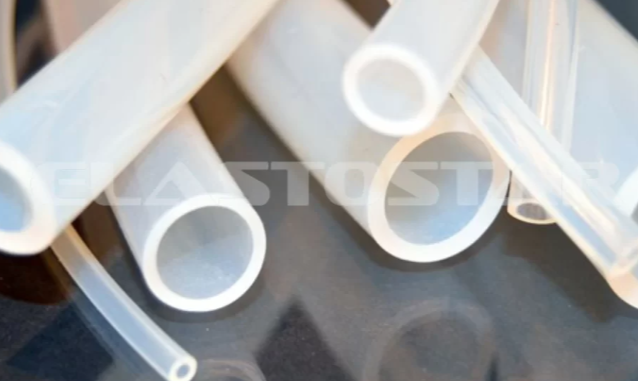
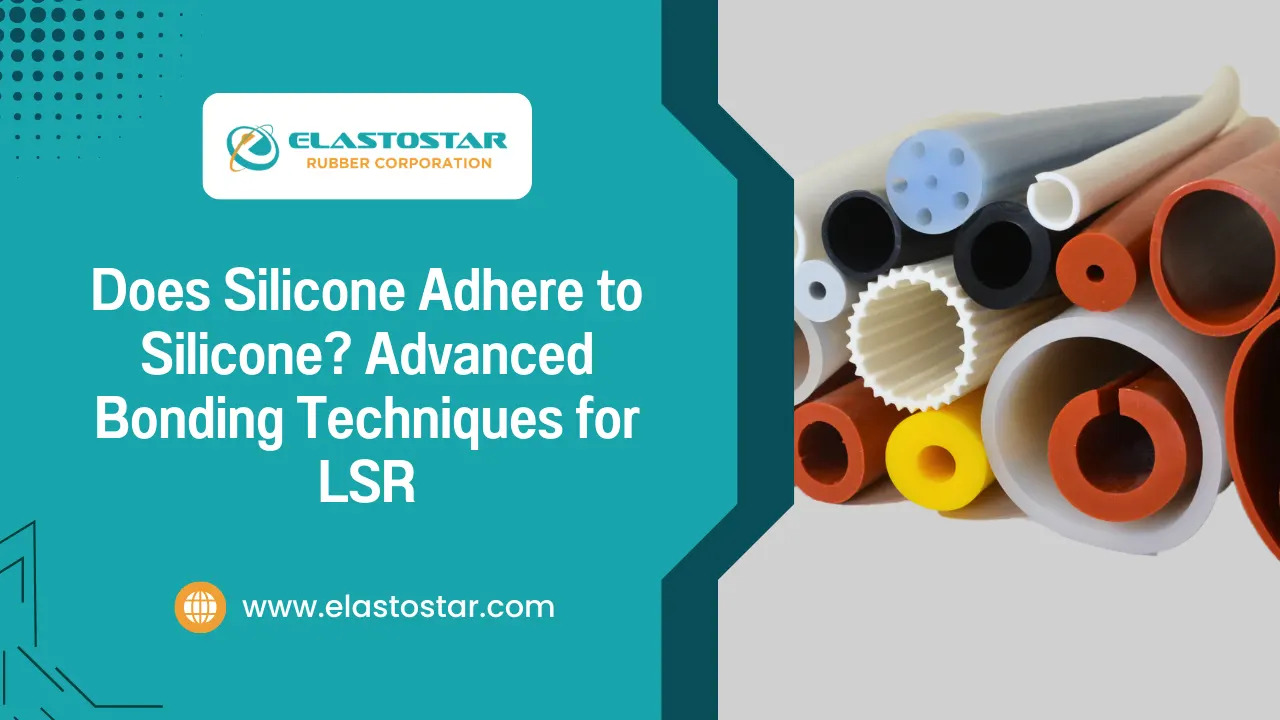
Platinum-cured silicone tubing is a high-performance solution used in environments where safety, purity, and flexibility are critical. This type of medical silicone tubing is processed with platinum as a curing agent, which ensures a cleaner and more stable product. It is free from byproducts that could compromise sensitive applications, such as those found in hospitals, labs, and pharmaceutical production lines.
One of the main advantages of platinum-cured silicone tubing is that it meets the standards of USP Class VI silicone tubing, indicating it has undergone rigorous biological testing for use in medical and pharmaceutical applications. It also resists high temperatures, remains flexible under stress, and can be sterilized repeatedly without breaking down, for a trusted material across critical industries.
Read more – Why Medical Grade Silicone Tubing Is the Best Choice for Healthcare Tubing.
What is TPE Tubing?
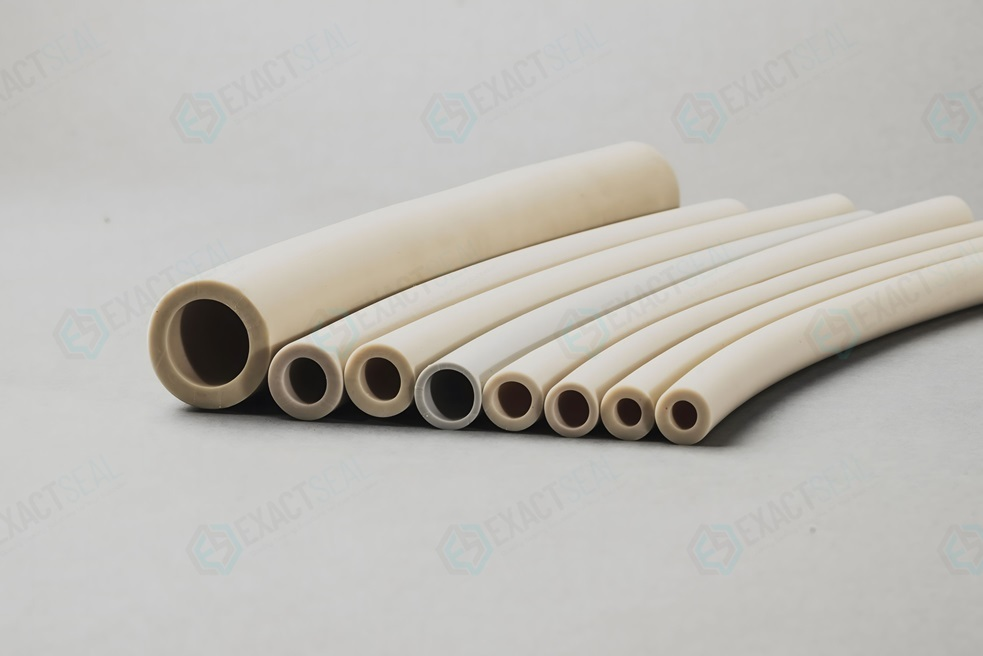
TPE tubing, made from Thermoplastic Elastomer, is a flexible and cost-effective alternative to silicone in many general-purpose applications. It combines the elastic properties of rubber with the processing ease of plastics, for a popular choice in industries such as food packaging, consumer goods, and specific medical devices.
One of its biggest advantages is that it’s a recyclable tubing material, making it more environmentally friendly than some other options. TPE tubing is also lightweight, easy to extrude, and available at a lower cost.
However, it has limitations. TPE does not perform as well as silicone in high-temperature or long-term sterilization environments. It’s best suited for low-heat, short-term applications where purity and extreme durability are not critical.
What is PVC Tubing?
PVC (Polyvinyl Chloride) tubing is a widely used and cost-effective material across various industries. In pharmaceutical operations, PVC tubing is commonly used in the pharma industry for general fluid handling due to its flexibility and affordability.
However, traditional PVC tubing may contain plasticizers, such as DEHP, which can leach into fluids, raising concerns about safety and regulation. To address this, many facilities now require DEHP-free tubing for safer and more compliant operations.
While PVC works well for many standard applications, it is not ideal for high-purity, long-term, or high-temperature environments.
- Affordable and widely available
- Common in pharmaceutical, food, and general lab applications
- Not recommended for highs-temperature silicone or sterile environments
- Potential concerns with DEHP leaching unless specified as DEHP-free
- Best suited for short-term or low-risk fluid transfer
Silicone vs TPE vs PVC
Choosing the right tubing material depends on factors like durability, temperature resistance, regulatory compliance, and cost.
Below is a comparison to help you evaluate silicone tubing vs PVC and silicone vs TPE tubing across key performance areas.
| Feature | Platinum Cured Silicone | TPE (Thermoplastic Elastomer) | PVC (Polyvinyl Chloride) |
| Biocompatibility | Excellent (USP Class VI) | Moderate | Moderate |
| Heat Resistance | Up to 260°C (500°F) | Around 135°C (275°F) | Up to 60–70°C (140–158°F) |
| Sterilization Compatibility | Autoclave, gamma, ETO | Limited (varies by grade) | Limited (mainly ETO) |
| Chemical Resistance | Excellent | Good | Moderate |
| Flexibility | High | Moderate to high | Moderate |
| Risk of Leaching | Very low | Low to moderate | Higher (especially with DEHP) |
| Recyclability | Not easily recyclable | Easily recyclable | Recyclable but with limitations |
| Cost | High | Low to moderate | Low |
| Common Use Cases | Medical, Pharma, Biotech | General Lab, Light Medical | Food, Pharma (non-critical) |
Which Material Is Right for You?
Choosing the best tubing material depends on your specific industry and application needs. Each material, platinum-cured silicone, TPE, and PVC, has its strengths and trade-offs when it comes to purity, durability, and regulatory compliance.
For the biotech industry, platinum-cured silicone tubing is the top choice. It offers excellent biocompatibility, supports autoclaving, and meets USP Class VI and ISO standards for sterile and sensitive environments.
For food processing, silicone tubing is preferred due to its high heat tolerance and resistance to sanitizing agents. Silicone tubing for food processing ensures safety and flexibility, providing reliable fluid transfer even under demanding conditions.
TPE is more budget-friendly and suitable for non-critical applications. In contrast, PVC is ideal for short-term or low-temperature fluid handling but may pose concerns in sensitive use cases.
Read More: Which Industries Use Silicone O-Rings?
Why Most High-Purity Applications Choose Platinum Cured Silicone?
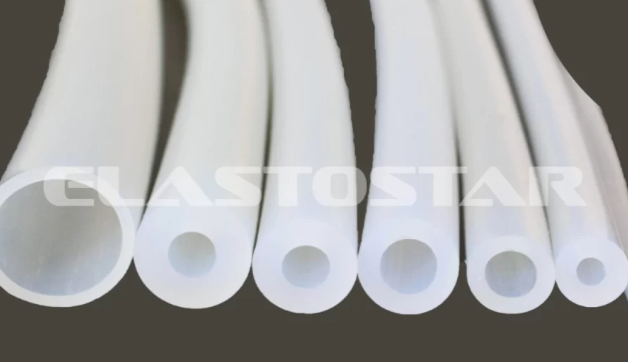
When purity, safety, and performance are essential, platinum-cured silicone tubing excels as the preferred choice.
Its non-toxic formulation ensures that its non-leaching silicone tubing is safe for sensitive applications in medical, pharmaceutical, and food-grade environments.
- Medical Devices
Used in IV lines, catheters, peristaltic pumps, and respiratory systems due to its biocompatibility and ability to be sterilized. - Pharmaceutical Manufacturing
Supports sterile transfer of sensitive fluids in cleanrooms, vaccine lines, and drug production environments. - Biotech and Laboratory Use
Ideal for diagnostics, sample collection, and research, where chemical resistance and non-leaching properties matter. - Food and Beverage Processing
Perfect for transferring hot liquids, dairy products, or beverages in systems that require FDA compliance and meet sanitation standards. - OEM and Custom Equipment
Chosen for equipment builds needing flexible, USP Class VI tubing tailored to pressure, temperature, or flow needs.
Read more – How Is Silicone Rubber Used in the Medical & Pharmaceutical Industry?
Why Trust Elastostar Rubber Corporation for High-Quality, FDA-Grade Silicone Tubing Made in the USA?
At Elastostar Rubber Corporation, we take pride in being one of the most trusted silicone tubing manufacturers in the USA, delivering consistent quality and dependable service across industries like medical, pharmaceutical, biotech, and food processing.
Our FDA-grade silicone tubing is manufactured with precision and care, meeting the highest standards for safety, performance, and regulatory compliance. We offer custom tubing solutions customised to your specific needs, including precise sizing, durometer, color, and multi-lumen designs.
All our materials are thoroughly tested and certified to USP Class VI, including Sections 88 and 87. We supply platinum-cured, FDA-compliant, and ISO-certified silicone tubing to ensure the best possible quality. With quick lead times, complete traceability, and responsive support, Elastostar is a partner you can rely on.
Contact us today to learn more or request a sample. We’re here to help you find the right solution with confidence.
Recommended Reads
- What Is the Difference Between Silicone and Platinum-Cured Silicone?
- Is Medical Grade Silicone FDA Approved?
- Top Applications of FDA Silicone Rubber in Food Processing Industries

Conclusion
When selecting the right tubing material, the choice should always be guided by the specific needs of your application, whether it’s purity, temperature resistance, compliance, or long-term durability. While TPE and PVC serve well in general or cost-sensitive applications, platinum-cured silicone tubing remains the top choice for critical environments such as medical, pharmaceutical, biotech, and food processing.
Its unmatched combination of biocompatibility, non-leaching performance, and sterilization capability makes it the most trusted material in high-purity systems. For premium-quality, FDA-grade silicone tubing made in the USA, Elastostar Rubber Corporation is here to provide reliable solutions customised to your industry.
Read More: What are Closed Cell Sponge Seals & Gaskets Used for?
FAQs
1. What’s the difference between platinum-cured silicone and TPE?
Platinum-cured silicone tubing is ideal for high-purity use due to its superior heat resistance, flexibility, and cleanliness. TPE tubing is more affordable and recyclable, but less suitable for high-temperature or medical-grade applications.
2. Is silicone tubing superior to PVC for medical applications?
Yes. Silicone tubing is more biocompatible and safer for medical applications than PVC, which may contain plasticizers such as DEHP. Medical-grade silicone also handles sterilization and heat much better.
3. Can TPE tubing be used in pharmaceutical applications?
TPE tubing may work for non-critical fluid transfer, but it doesn’t meet the purity and regulatory standards required for most pharmaceutical manufacturing. For high-performance needs, platinum-cured silicone is preferred.
4. Does PVC tubing leach chemicals?
Standard PVC tubing may contain DEHP or similar plasticizers that can leach into fluids. To avoid this, always choose DEHP-free PVC or switch to non-leaching silicone tubing for safer applications.
5. Why is platinum-cured silicone tubing more expensive?
Platinum-cured silicone costs more because it’s made for cleanroom, medical, and pharmaceutical use. It meets USP Class VI standards, ensuring long-term stability, purity, and resistance to high temperatures.
6. Which tubing is the most heat-resistant: TPE, PVC, or silicone?
Platinum cured silicone tubing offers the highest heat resistance, up to 260°C (500°F). TPE handles moderate heat, while PVC is best for low-heat or ambient-temperature fluid transfer.
7. What are the pros and cons of each tubing material?
Silicone offers top-tier purity and heat resistance but comes at a higher cost. TPE is recyclable and affordable, whereas PVC is commonly used but may pose health and compliance risks.
8. Can platinum silicone tubing be sterilized?
Yes. Platinum-cured silicone can be sterilized using autoclave, gamma, or ETO methods without affecting its properties. Contact Elastostar Rubber Corporation if you require certified, sterilization-friendly tubing for medical or laboratory use.
9. Is PVC FDA compliant?
Some PVC tubing is FDA compliant, especially DEHP-free versions. However, for sensitive applications such as food or biotech, FDA-grade silicone tubing offers improved safety and performance.
10. Which type of tubing is best suited for high-purity applications?
Platinum-cured silicone tubing is the best option for biotech, pharmaceutical, and medical-grade systems due to its purity, flexibility, and non-leaching nature. Contact Elastostar Rubber Corporation for custom, high-purity tubing manufactured in the USA.