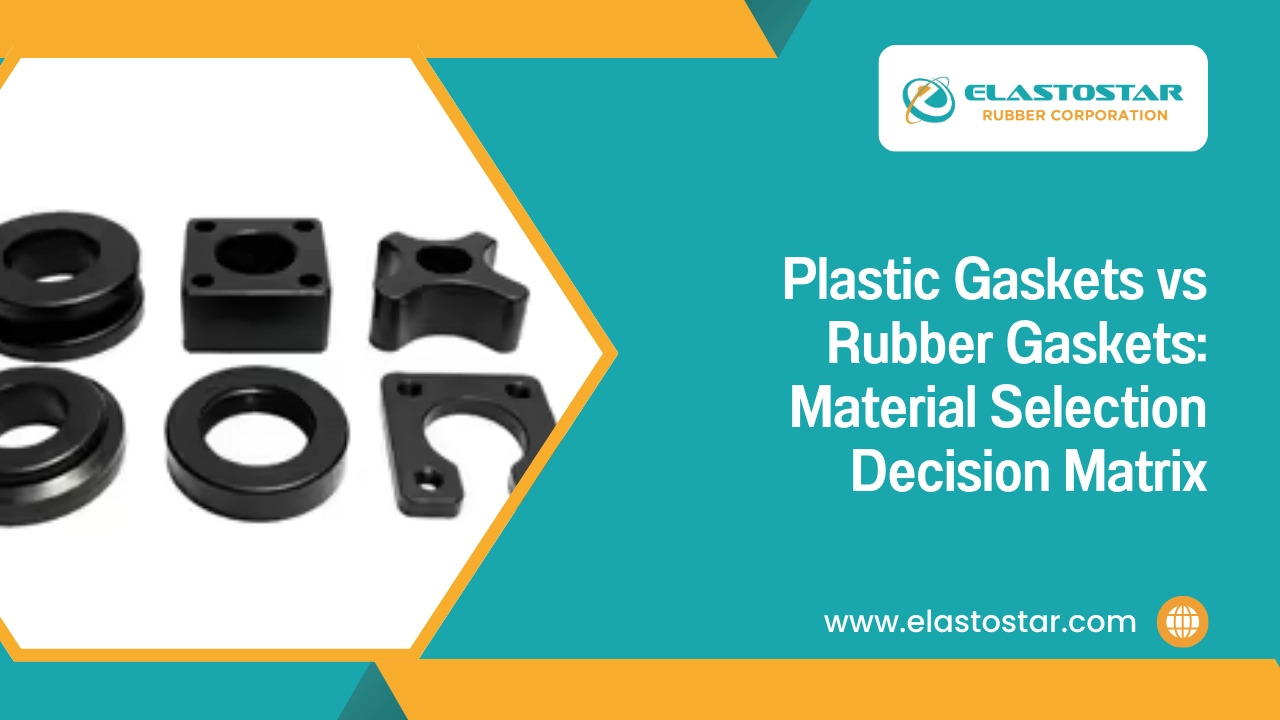
Selecting the right gasket material is essential to achieving reliable sealing, consistent performance, and reduced maintenance over the life of industrial equipment. At Elastostar Rubber Corporation, we often help customers evaluate plastic gaskets vs rubber gaskets when applications involve pressure, temperature variation, chemical exposure, or mechanical movement.
Each material offers distinct advantages depending on how the seal is expected to perform in service. Plastic gaskets provide rigidity and chemical resistance in static conditions, while rubber gaskets deliver flexibility and compression recovery where movement is present.
In this guide, we compare plastic and rubber gaskets using a practical material-selection decision matrix to support informed, application-driven gasket design.
Key Takeaways
- Plastic and rubber gaskets serve different sealing needs based on application conditions.
- Plastic gaskets perform best in rigid, static systems with stringent chemical-resistance requirements.
- Rubber gaskets provide flexibility, compression recovery, and vibration resistance.
- Movement, pressure fluctuation, and thermal cycling favor rubber gasket performance.
- Chemical exposure and temperature range are critical factors in material selection.
- Long-term costs depend on service life, maintenance requirements, and sealing reliability.
- Choosing the right gasket material improves performance and reduces downtime.
Table of Contents
What Are Plastic Gaskets?
Plastic gaskets are sealing components made from rigid or semi-rigid polymers. Unlike elastomeric gaskets, plastic gaskets rely on material stiffness rather than compression recovery to create a seal.
We typically see plastic gaskets used in static sealing applications where little to no movement is expected.
Common materials used for plastic gaskets include.
- PTFE (Teflon)
- Nylon
- UHMW polyethylene
- PVC and other engineering plastics
Key characteristics of plastic gaskets.
- High chemical resistance in aggressive environments.
- Minimal compression and low elasticity.
- Stable dimensions under load.
- Best suited for rigid flange assemblies.
Because plastic gaskets do not flex like rubber, they require precise surface flatness and controlled bolt loading.
When properly selected, plastic gaskets perform reliably in chemical processing, fluid handling, and static sealing systems.
What Are Rubber Gaskets?
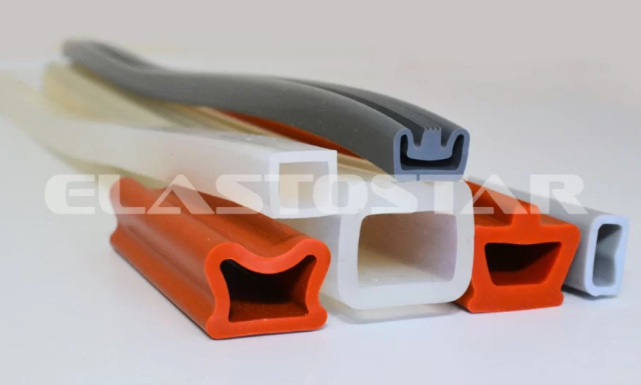
Rubber gaskets are elastomeric sealing components that compress and recover, forming an effective seal even when surfaces are uneven or subject to movement.
In comparing plastic and rubber lip gaskets, rubber gaskets are typically selected for applications requiring flexibility, vibration resistance, and long-term sealing reliability.
We manufacture rubber gaskets to perform consistently across a wide range of industrial conditions.
Common materials used for rubber gaskets include.
- Nitrile (NBR)
- EPDM
- Neoprene
- Silicone Rubber
- Fluorosilicone
Key characteristics of rubber gaskets.
- High elasticity and compression recovery.
- Effective sealing under vibration and pressure changes.
- Ability to accommodate flange misalignment and thermal expansion.
- Suitable for repeated assembly and disassembly.
Rubber gaskets are widely used in automotive, HVAC, fluid-handling, and industrial equipment.
Our rubber gasket solutions are supported by controlled material selection and manufacturing processes, as outlined across our gasket and sealing capabilities.
Read More: What Is a Rubber Gasket? Benefits & Applications
Plastic vs Rubber Gaskets – Material Properties Comparison Table
When evaluating plastic gaskets vs rubber gaskets, material behavior under load, movement, and environmental exposure plays a major role in sealing performance.
We use a practical comparison matrix to help customers select the right gasket material based on real operating conditions rather than assumptions.
| Selection Criteria | Plastic Gaskets | Rubber Gaskets |
|---|---|---|
| Material Behavior | Rigid or semi-rigid polymers | Elastomeric and flexible |
| Compression Recovery | Very low | Excellent |
| Flexibility | Limited | High |
| Vibration Resistance | Poor to moderate | Very good |
| Surface Conformability | Low | High |
| Chemical Resistance | Excellent (material-dependent) | Good to excellent (compound-dependent) |
| Temperature Behavior | Stable in static conditions | Performs well with thermal cycling |
| Pressure Handling | High in rigid assemblies | Better under fluctuating loads |
| Reusability | Limited | Often reusable |
| Flange Misalignment Tolerance | Low | High |
| Sealing Type | Static sealing only | Static and dynamic sealing |
| Typical Service Life | Long in stable systems | Longer in dynamic environments |
| Maintenance Requirement | Higher if alignment changes | Lower due to elastic recovery |
| Typical Applications | Chemical processing, rigid fluid systems | Automotive, HVAC, industrial equipment |
Plastic gaskets perform best in rigid, static flange assemblies where chemical resistance is the priority. Rubber gaskets are better suited for applications involving vibration, pressure fluctuation, or surface irregularities.
Our gasket manufacturing capabilities support both molded and extruded rubber solutions used across industrial sealing applications.
Also Read– Gaskets vs Seals: What’s the Difference Between Them?
Sealing Performance Under Pressure and Movement
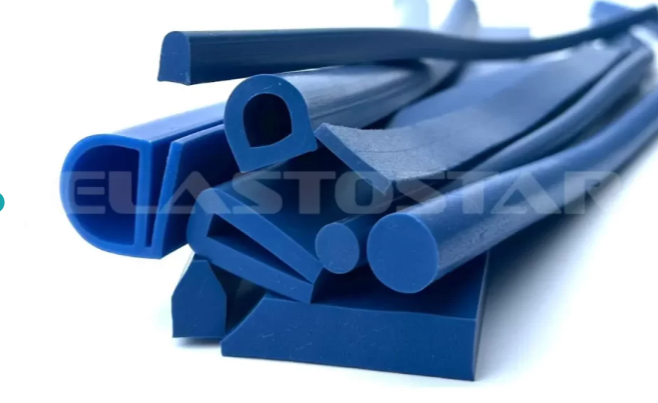
Sealing performance changes significantly when pressure, vibration, or movement is introduced.
When comparing plastic and rubber gaskets, the key difference lies in how each material performs in operation.
How plastic gaskets perform.
- Rely on rigid contact between mating surfaces.
- Perform well under constant, uniform bolt load.
- Best suited for static assemblies with minimal movement.
- Less forgiving of flange irregularities or vibration.
How rubber gaskets perform.
- Compress and recover to maintain sealing force.
- Absorb vibration and accommodate thermal expansion.
- Maintain contact pressure under fluctuating loads.
- Adapt to minor surface imperfections.
We typically recommend rubber gaskets for systems exposed to vibration, pressure cycling, or thermal movement.
Our molded rubber and extruded rubber sealing solutions are designed to maintain sealing integrity under real-world operating conditions.
Chemical and Temperature Resistance Comparison
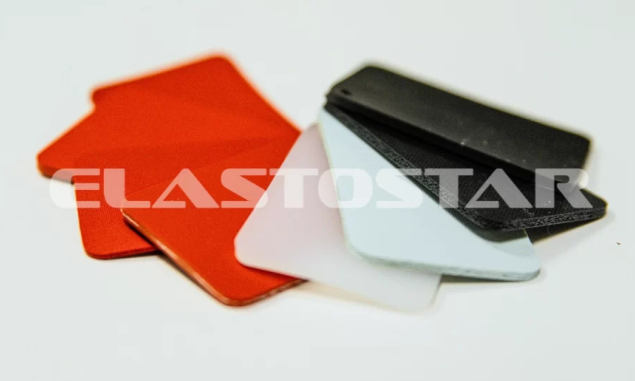
Chemical exposure and operating temperature directly affect gasket performance and service life. When evaluating plastic and extruded rubber gasket materials, the key differences lie in flexibility, sealing performance, and long-term stability under varying conditions.
Plastic gasket performance.
- Plastic gaskets provide excellent resistance to aggressive chemicals and solvents.
- They maintain shape and rigidity at elevated temperatures in static sealing systems.
- Limited flexibility makes them less effective where thermal expansion occurs.
- Typically used in rigid flange assemblies with stable operating conditions.
Rubber gasket performance.
- Rubber gaskets adapt better to temperature cycling due to elastic recovery.
- Properly selected compounds resist oils, chemicals, and weather exposure.
- Rubber materials maintain sealing force even as components expand and contract.
- Better suited for vibration-prone or dynamically loaded systems.
At Elastostar Rubber Corporation, many chemical- and temperature-exposed applications rely on our rubber molded gaskets, rubber sheets and mats, and custom extruded rubber profiles, which are manufactured to maintain sealing integrity across varying environments.
These rubber gasket solutions enable us to precisely match compound properties to application-specific chemical and thermal requirements.
Cost Analysis and Economic Considerations
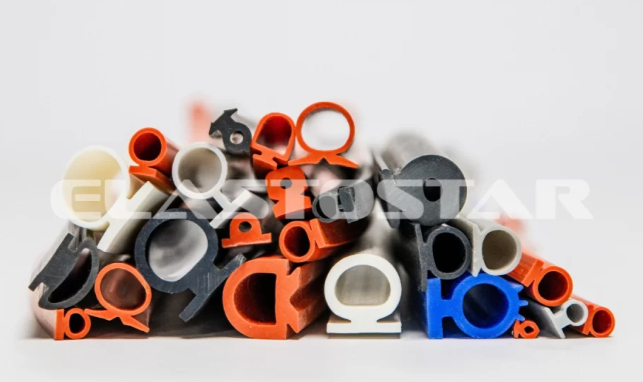
Gasket selection impacts not only initial cost but also long-term maintenance, downtime, and replacement frequency. Evaluating total lifecycle cost helps determine the most economical sealing solution for each application.
Cost considerations for plastic gaskets.
- Lower material wear in chemically aggressive, static environments.
- Longer service life when movement and vibration are minimal.
- Higher risk of leakage if surface flatness or bolt load is inconsistent.
- Replacement costs can increase if sealing surfaces are not perfectly aligned.
Cost considerations for rubber gaskets.
- Slightly higher material cost in some compounds, offset by improved sealing reliability.
- Reduced leakage and maintenance in dynamic systems.
- Better tolerance to vibration and thermal cycling lowers downtime risk.
- Often reusable, reducing replacement frequency.
Customers frequently select custom extruded sealing profiles to balance performance with long-term cost efficiency. These solutions help reduce unplanned maintenance and extend service life in demanding industrial systems.
Application-Based Recommendations for Gaskets
Selecting the right gasket material depends on the application and operating conditions. We guide customers by matching gasket behavior to real operating conditions rather than relying on material labels alone.
When Plastic Gaskets Are the Better Choice?
Plastic gaskets are typically selected for applications where sealing surfaces remain rigid and stable.
- Static flange joints with consistent bolt load.
- Systems exposed to aggressive chemicals, but with minimal movement.
- Applications where dimensional stability is more critical than flexibility.
- Rigid assemblies in chemical processing or fluid handling equipment.
When Rubber Gaskets Are the Better Choice?
Rubber gaskets are preferred where movement, vibration, or thermal cycling is present.
- Automotive and industrial equipment are exposed to vibration.
- HVAC and fluid systems with pressure or temperature variation.
- Applications requiring surface conformity and compression recovery.
- Seals that must accommodate flange misalignment or repeated assembly.
Also Read– Top 5 Commercial Applications of Silicone Rubber Products
How to Choose the Right Gasket Material for Your Operation?
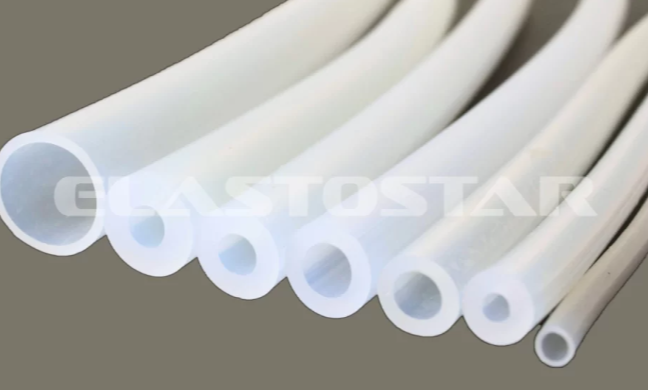
Choosing the right gasket material starts with understanding how the seal will perform in real operating conditions.
There is no single material that works for every application, so we focus on application-driven selection rather than material preference.
Key factors we evaluate during gasket selection include.
- Operating conditions, such as pressure, temperature range, and exposure to chemicals or oils.
- Movement and vibration, including thermal expansion, cyclic loading, or misalignment.
- Sealing surface quality, including flange flatness and bolt load consistency.
- Service life expectations, maintenance intervals, and replacement frequency.
- Compliance requirements, where material traceability or regulatory standards apply.
We support this process by offering Platinum Cured silicone, allowing us to tailor material properties to each application.
Our engineering support helps ensure the selected gasket delivers reliable sealing performance throughout its service life.
Why Choose Elastostar Rubber Corporation for Custom Gaskets?

As a Rubber product manufacturer in the USA, we support gasket programs focused on material performance, manufacturing accuracy, and long-term reliability.
Our experience across industrial sealing applications allows us to deliver gasket solutions that match real operating conditions, not just specifications.
Why customers choose us.
- Our gasket products meet USP Class VI, Sections 87 & 88, as required.
- We support reverse engineering, design assistance, prototyping, and full production runs.
- Our large manufacturing facility enables short lead times and consistent supply.
- We manufacture custom molded gaskets, extruded profiles, O-ring gaskets, and sheet materials under one roof.
- All products are proudly made in the USA, ensuring traceability and quality control.
By combining material expertise with custom manufacturing capabilities, we help customers select and produce effective gasket solutions for demanding applications.
Recommended Reads
- What Is the Best Rubber Material for Gaskets?
- Gasket vs O-Ring: Meaning, Differences & Applications
- Top 5 Things About Gasket Designs You Need to Know About

Conclusion
Choosing between plastic and rubber gaskets is not about selecting a better material overall, but about matching material behavior to application demands. Plastic gaskets perform well in rigid, static systems with aggressive chemical exposure, while rubber gaskets provide reliable sealing in environments with vibration, pressure variation, and thermal movement.
At Elastostar, we help customers make informed gasket material decisions based on real operating conditions, service life expectations, and compliance needs. Contact us for our custom molded gaskets, extruded profiles, and sheet materials. We support sealing solutions that deliver consistent performance, reduced maintenance, and long-term reliability across industrial applications.
FAQs
Q1. What are plastic gaskets made of?
Plastic gaskets are typically made from engineering plastics such as PTFE, nylon, UHMW polyethylene, PVC, and PEEK. These materials are selected for rigidity, dimensional stability, and chemical resistance in static sealing applications.
Q2. When should we use plastic gaskets instead of rubber gaskets?
Plastic gaskets are preferred in rigid, static systems with consistent bolt load and aggressive chemical exposure. They are commonly used where flexibility and compression recovery are not required.
Q3. Are PTFE gaskets better than rubber gaskets?
PTFE gaskets offer excellent chemical resistance, but they do not compress or recover like rubber gaskets. In applications involving vibration or thermal movement, we often recommend an extruded rubber bulb for more reliable sealing performance.
Q4. What is the temperature limit of plastic gaskets?
Temperature limits vary by plastic material. PTFE and PEEK can withstand higher temperatures, whereas other plastics have lower temperature limits. Plastic gaskets perform best when the temperature remains stable, and movement is minimal.
Q5. Do plastic gaskets have better chemical resistance than rubber gaskets?
Plastic gaskets generally provide strong resistance to aggressive chemicals. However, with proper compound selection, rubber gaskets can also offer excellent chemical resistance. We manufacture rubber seals and gaskets that are widely used for chemical-resistant gasket applications.
Q6. Are rubber gaskets more compressible than plastic gaskets?
Yes. Rubber gaskets are highly compressible and recover after loading, allowing them to maintain sealing force under vibration, pressure changes, and flange misalignment.
Q7. What are the advantages of PEEK gaskets?
PEEK gaskets provide high mechanical strength, thermal stability, and chemical resistance. They are used in high-performance applications where rigid sealing and dimensional stability are critical.
Q8. How do plastic gaskets compare in cost to rubber gaskets?
Plastic gaskets may have a higher initial cost depending on the material type. Rubber gaskets often offer better long-term value by reducing leakage, maintenance, and downtime, especially in dynamic systems.
Q9. Can plastic gaskets withstand high flange loads?
Plastic gaskets can withstand high flange loads when surfaces are flat, and the bolt load is evenly distributed. For applications with load variation or vibration, we typically recommend custom extruded rubber profiles to maintain sealing integrity.
Q10. What industries commonly use plastic and rubber gaskets?
Plastic gaskets are widely used in chemical processing, pharmaceuticals, and fluid handling equipment. Rubber gaskets are commonly used across automotive, HVAC, industrial machinery, and general sealing applications where flexibility and vibration resistance are required.