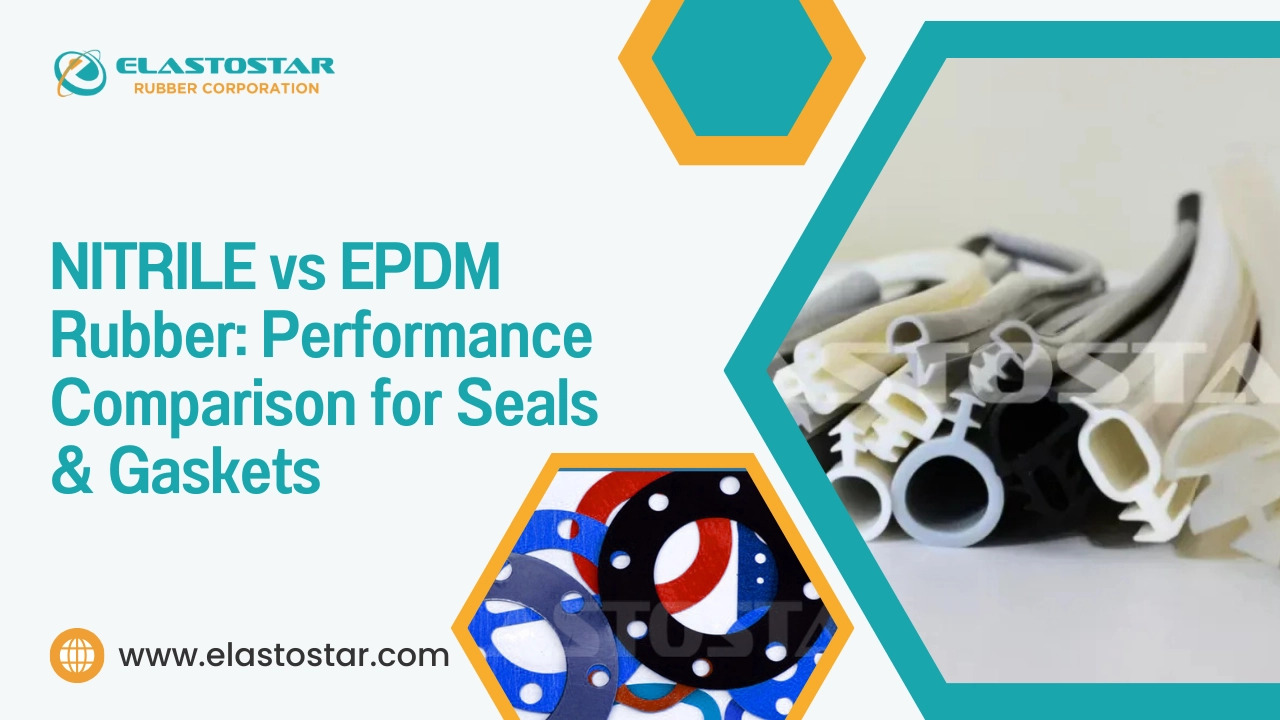
Choosing the correct elastomer for seals and gaskets is critical to equipment reliability and maintenance costs. Industry data indicate that nearly 60% of seal failures are linked to improper material selection, particularly in applications exposed to oil, temperature variations, or outdoor conditions. This makes the comparison of nitrile vs EPDM rubber essential for engineers and procurement teams.
Although both materials are widely used, their performance differs significantly. Nitrile rubber offers strong resistance to oils and fuels, while EPDM rubber excels in weather, ozone, steam, and heat resistance.
In this guide, we compare EPDM and nitrile rubber across properties, temperature capability, chemical compatibility, cost, and various applications to support informed material selection.
Key Takeaways
- Nitrile and EPDM rubber serve different sealing needs based on exposure conditions.
- Nitrile rubber is best for oil, fuel, and hydraulic fluid applications.
- EPDM rubber performs better in heat, steam, weather, ozone, and outdoor environments.
- Temperature range and chemical exposure strongly affect seal performance and lifespan.
- Material selection should be based on service conditions, not just initial cost.
- Using the wrong elastomer increases seal failure, downtime, and maintenance costs.
- Matching rubber properties to the application improves reliability and service life.
Table of Contents
What Is Nitrile Rubber (NBR)?
Nitrile rubber, commonly referred to as NBR rubber, is a synthetic elastomer known for its strong resistance to oils, fuels, and hydraulic fluids. These nitrile rubber properties make it a preferred material for seals and gaskets used in petroleum-based environments.
NBR performs well under moderate temperatures and offers good abrasion resistance, but it has limited resistance to ozone, UV, and outdoor weathering.
Because of this, nitrile rubber is typically used in enclosed or fluid-contact applications rather than exposed environments.
What Is EPDM Rubber?
EPDM rubber is a synthetic elastomer designed for durability in outdoor and high-temperature environments. Key EPDM rubber properties include excellent resistance to weather, ozone, UV radiation, water, and steam.
EPDM maintains flexibility across a wide temperature range for HVAC systems, roofing, and exterior sealing. However, EPDM rubber is incompatible with petroleum-based oils and fuels, limiting its use in oil-contact applications.
Material Properties Comparison Table
After understanding each material, a side-by-side comparison clarifies how nitrile and EPDM rubber perform in sealing and gasketing applications.
While both are flexible elastomers, their resistance profiles and service capabilities differ significantly.
Key Material Properties Comparison
| Property | Nitrile Rubber (NBR) | EPDM Rubber |
| Oil and Fuel Resistance | Excellent | Poor |
| Weather and UV Resistance | Limited | Excellent |
| Water and Steam Resistance | Moderate | Excellent |
| Temperature Range | Moderate | Wide |
| Ozone Resistance | Low | Very high |
| Compression Set Resistance | Good | Very good |
| Typical Seal Applications | Oil, fuel, hydraulics | Outdoor, HVAC, steam |
From a performance standpoint, nitrile rubber properties make it suitable for petroleum-based systems, while EPDM rubber properties favor applications exposed to heat, moisture, ozone, and outdoor conditions.
Oil Resistance Differences (NBR vs EPDM)
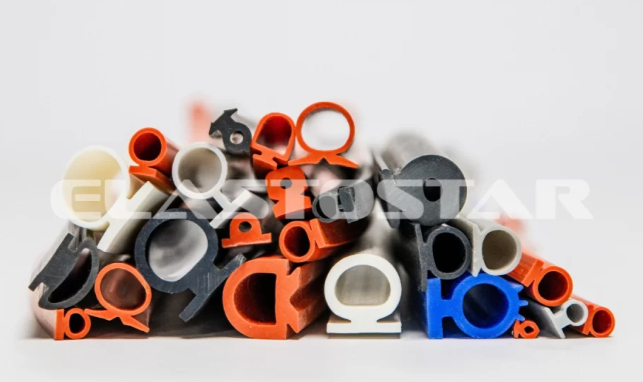
Oil exposure is a leading cause of seal and gasket failure in service. Understanding how each rubber material reacts to petroleum-based fluids helps ensure long-term sealing performance.
How Does Nitrile Rubber Perform in Oil Environments?
- Maintains flexibility when exposed to oils and fuels.
- Resists swelling and softening in hydraulic fluids.
- Performs reliably in automotive and industrial fluid systems.
How Does EPDM Rubber Perform in Oil Environments?
- Absorbs petroleum-based fluids over time.
- Loses mechanical strength and sealing force.
- Becomes unsuitable for oil- or fuel-contact applications.
Temperature Range Capabilities Of Rubber
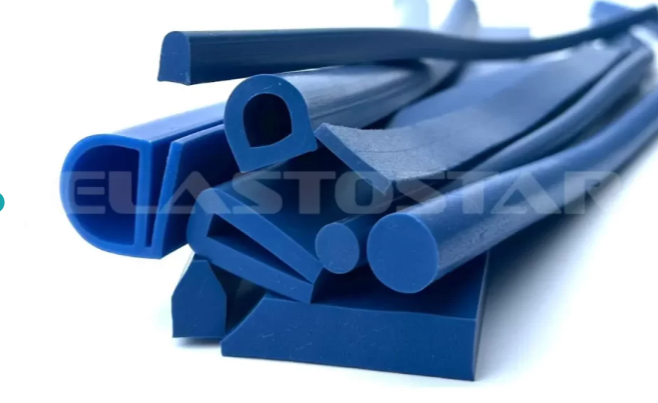
Temperature limits play a major role when comparing nitrile vs EPDM for seals and gaskets. Heat, cold, and thermal cycling can directly affect flexibility, compression set, and long-term sealing performance.
Temperature Performance of Nitrile Rubber (NBR).
- Performs well within a moderate operating range.
- Commonly used where oils and fuels are present at controlled temperatures.
- Prolonged high heat can cause hardening and loss of elasticity.
Temperature Performance of EPDM Rubber.
- Maintains flexibility across a wider temperature range.
- Handles continuous heat, steam, and outdoor exposure effectively.
- Performs well in Solar industries and weather-exposed environments.
Read More: High-Temperature Grades of Rubber
Chemical Compatibility Charts
Chemical exposure is another critical factor when selecting rubber materials for silicone seals and gaskets. Fluids, cleaning agents, and environmental chemicals can quickly degrade the wrong elastomer, even if temperature and pressure are within limits.
This is why chemical compatibility should always be reviewed alongside mechanical requirements.
Chemical Resistance Comparison
| Chemical Exposure | Nitrile Rubber (NBR) | EPDM Rubber |
| Oils and Fuels | Excellent resistance | Poor resistance |
| Hydraulic Fluids | Good resistance | Limited resistance |
| Water and Steam | Moderate resistance | Excellent resistance |
| Acids and Alkalis | Limited resistance | Very good resistance |
| Ozone and UV | Low resistance | Excellent resistance |
| Outdoor Weathering | Fair | Excellent |
When comparing EPDM vs. nitrile rubber, nitrile is better suited for oil- and fuel-based environments, while EPDM performs more reliably in water, steam, chemicals, and outdoor exposure.
Reviewing chemical compatibility early helps prevent swelling, softening, and premature seal failure.
Cost Analysis and Economic Considerations
Material cost is often considered early in seal and gasket selection, but the total cost of ownership ultimately matters.
Choosing the wrong elastomer can increase replacement frequency, downtime, and maintenance expenses.
Cost Considerations for Nitrile Rubber.
- Generally, lower initial material cost.
- Widely available and easy to process.
- Higher replacement frequency in outdoor or high-heat environments.
Cost Considerations for EPDM Rubber.
- Slightly higher initial material cost in some cases.
- Longer service life in weather, heat, and steam exposure.
- Lower maintenance and replacement costs in outdoor applications.
Application in Automotive and Industrial Equipments
Application conditions play a greater role than material names when selecting FDA-approved closed-cell silicone.
Understanding nitrile rubber properties and EPDM rubber properties helps match each material to the right operating environment.
1. Automotive Applications
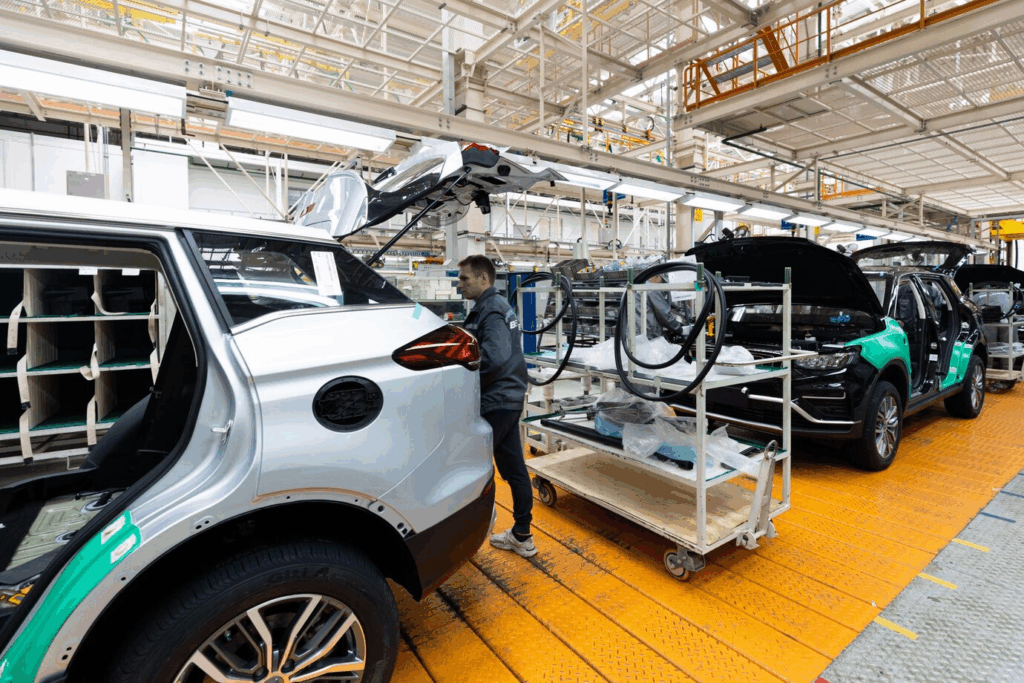
Automotive systems are frequently exposed to oils, fuels, and pressure variations. Elastomers used in these areas must resist swelling while maintaining flexibility.
Common Automotive Applications Include.
- Engine and transmission sealing systems.
- Fuel lines and fuel system gaskets.
- Power steering and hydraulic assemblies.
- Oil-contact sealing components, such as NBR rubber O-rings, where petroleum resistance is essential.
In oil-facing automotive applications, materials designed for fluid resistance perform more reliably over time.
Read More: Top 7 Applications of Silicone Rubber in the Automotive Industry
2. Industrial Applications
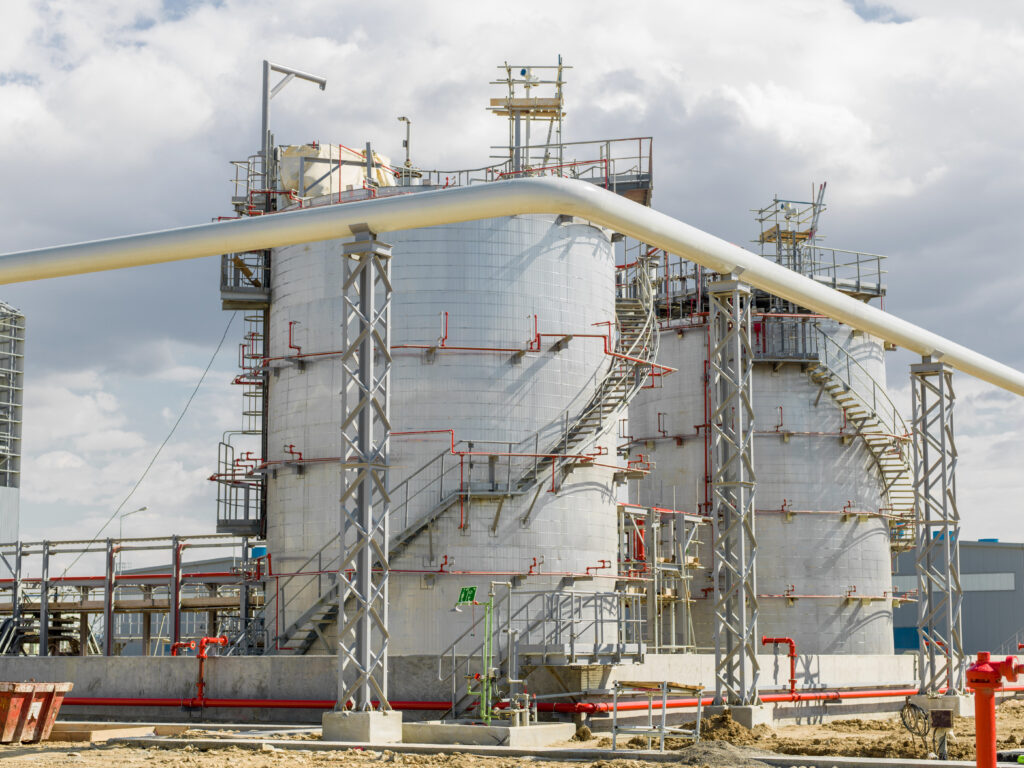
Industrial equipment is often exposed to heat, moisture, chemicals & petrol, and outdoor conditions. Seals and gaskets in these environments must resist environmental aging and thermal stress.
Typical Industrial Applications Include.
- HVAC systems and air-handling units.
- Steam and hot water equipment.
- Outdoor machinery and enclosures.
- Chemical wash-down systems.
For these use cases, materials selected based on EPDM vs nitrile rubber performance differences help reduce maintenance frequency and premature failures.
3. Manufacturing and Processing Equipment

Manufacturing environments may combine temperature variation, cleaning agents, and continuous operation.
Common Uses Include
- Process equipment sealing.
- Fluid transfer systems.
- Food and beverage processing lines where material stability is critical.
Selecting elastomers based on real service exposure rather than cost alone ensures longer seal life and consistent performance.
When to Choose Each Rubber Material?

Selecting the correct elastomer depends on the application and operating conditions.
Reviewing fluid exposure, operating temperature, and environmental conditions helps narrow the choice between oil-resistant and weather-resistant compounds.
1. When to Select NBR Rubber
NBR rubber is a strong option for systems that regularly come into contact with petroleum-based fluids.
NBR rubber is suitable when.
- Seals are exposed to lubricants, fuels, or hydraulic oils.
- Operating temperatures remain within a controlled range.
- Fluid compatibility is more important than outdoor durability.
- Applications involve oil-facing components such as NBR rubber sealing elements.
These characteristics make NBR a practical choice for applications involving oils in engines, hydraulic equipment, and industrial machinery.
2. When EPDM Rubber Performs Better
EPDM rubber is better suited for environments with constant exposure to heat, moisture, and weather.
EPDM rubber is suitable when.
- Seals operate outdoors or under UV and ozone exposure.
- Systems involve water, steam, or cleaning solutions.
- Equipment is subjected to continuous heat or thermal cycling.
- Long-term flexibility is required in environmental sealing.
Under these conditions, EPDM delivers more stable performance and a longer service life.
Why Choose Elastostar Rubber Corporation for Rubber Seals and Gaskets?

Selecting between NBR and EPDM is only part of the solution. Reliable performance also depends on how well the material is engineered, processed, and supported through production.
At Elastostar Rubber Corporation, we operate as both a rubber specialist and a silicone manufacturer, supporting demanding sealing applications across industries.
Why Do Customers Work With Us?
- Our rubber and silicone products meet USP Class VI, Sections 87 & 88, supporting regulated applications.
- We provide reverse engineering, design support, prototyping, and full production runs under one roof.
- Our processes are optimized for short lead-time delivery without compromising quality.
- We operate from a large custom manufacturing facility, enabling scalability and consistency.
- All products are proudly made in the USA.
By combining material expertise with controlled manufacturing, we help ensure seals and gaskets perform reliably in real operating environments.
Recommended Reads
- EPDM Gasket Material: Top 7 Things to Know About It
- Which Is the Best Rubber Material for Gaskets?
- Gasket vs O-Ring: Meaning, Differences & Applications
Conclusion
Choosing between nitrile and EPDM rubber requires a clear understanding of operating conditions rather than relying on material familiarity alone. Oil exposure, temperature range, chemical contact, and environmental factors all influence long-term sealing performance. When the correct rubber compound is matched to real service requirements, seals and gaskets last longer, perform more consistently, and reduce maintenance costs.
At Elastostar Rubber Corporation, we support material selection with engineering insight and custom manufacturing capabilities from prototype through production. If you need help selecting the right material or designing custom seals and gaskets, contact us to discuss your application requirements with our team.
FAQs
Q1. What is the main difference between nitrile and EPDM rubber?
The main difference lies in environmental resistance. Nitrile rubber is designed for oil and fuel exposure, while EPDM rubber performs better in heat, weather, ozone, and moisture. Choosing between nitrile and EPDM depends on what the seal will contact during service.
Q2. Is nitrile or EPDM better for oil resistance?
Nitrile rubber offers significantly better resistance to oils, fuels, and hydraulic fluids. EPDM rubber is not compatible with petroleum-based fluids and should not be used in oil-contact applications.
Q3. Which rubber has better temperature resistance – NBR or EPDM?
EPDM rubber maintains flexibility across a wider temperature range, especially under continuous exposure to heat and steam. NBR performs well at moderate temperatures but may harden at higher operating ranges.
Q4. Can EPDM be used in fuel systems?
No. EPDM rubber should not be used in fuel systems because petroleum fuels cause swelling and loss of mechanical strength. Fuel systems require oil-resistant elastomers such as nitrile rubber.
Q5. Is nitrile rubber more expensive than EPDM?
Material cost varies by formulation and application. Nitrile often has a lower upfront cost, but EPDM Rubber can offer better long-term value in outdoor or high-temperature environments due to longer service life.
Q6. What are the disadvantages of nitrile rubber?
Nitrile rubber has limited resistance to ozone, UV exposure, and outdoor weathering. It may degrade faster in open-air environments without protection.
Q7. Why is EPDM preferred for outdoor applications?
EPDM rubber resists ozone, UV radiation, moisture, and temperature cycling. These properties make it ideal for outdoor and flame-retardant seal, as well as for weather-exposed equipment.
Q8. Can you use EPDM O-rings in hydraulic systems?
EPDM O-rings are not recommended for hydraulic systems using petroleum-based fluids. In such cases, high-temperature O-rings vs EPDM comparisons clearly favor nitrile due to fluid compatibility.
Q9. Which rubber is better for automotive seals – nitrile or EPDM?
Both materials are used in automotive applications, but in different areas. Nitrile rubber is preferred for fuel and oil-contact seals, while EPDM rubber is commonly used for cooling systems, weather seals, and exterior components.
Q10. How do I choose between NBR and EPDM gaskets?
Selection should be based on the operating environment. Oil and fuel exposure favor nitrile gaskets, while heat, steam, and outdoor exposure favor EPDM. We support this selection process by manufacturing custom extruded profiles, Silicone O-rings, gaskets, and sheet materials tailored to application requirements.