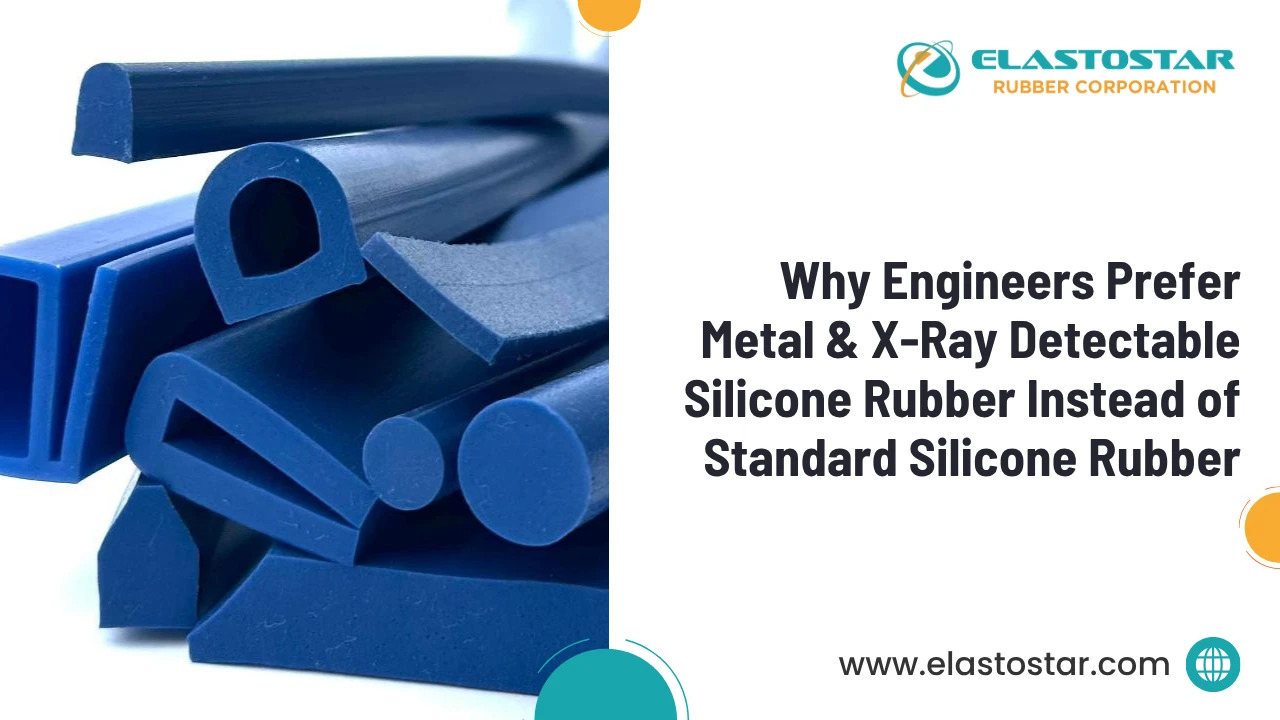
In food and pharmaceutical production, there is no room for error. Even the smallest fragment of material can cause serious contamination, product recalls, or failed audits. While standard silicone rubber is widely used for seals and gaskets, it has a critical gap that cannot be detected by inspection systems.
This creates hidden risks in regulated industries, where safety is paramount. To address this challenge, engineers now rely on metal detectable silicone rubber, a safer alternative designed to be visible under metal and X-ray scanners. It keeps production lines contamination-safe, compliant, and fully audit-ready.
In this blog, we will see why engineers prefer it over standard silicone rubber.
Key Takeaways
- Standard silicone rubber poses hidden contamination risks in food & pharma lines.
- Metal and X-ray-detectable silicone rubber is engineered for scanner visibility.
- HACCP-compliant seals help manufacturers pass audits with confidence.
- OEMs and QA teams prefer FDA/MDR-certified, traceable silicone parts.
- Procurement should check for COA, ISO certification, and supplier reliability.
- We supply custom extrusions, O-rings, gaskets, and tubing that meet USP Class VI, FDA, and MDR standards.
- Proudly Made in the USA, Elastostar Rubber Corporation ensures the shortest lead times with full documentation.
Table of Contents
What Are the Contamination Risks in Food & Pharma Lines?
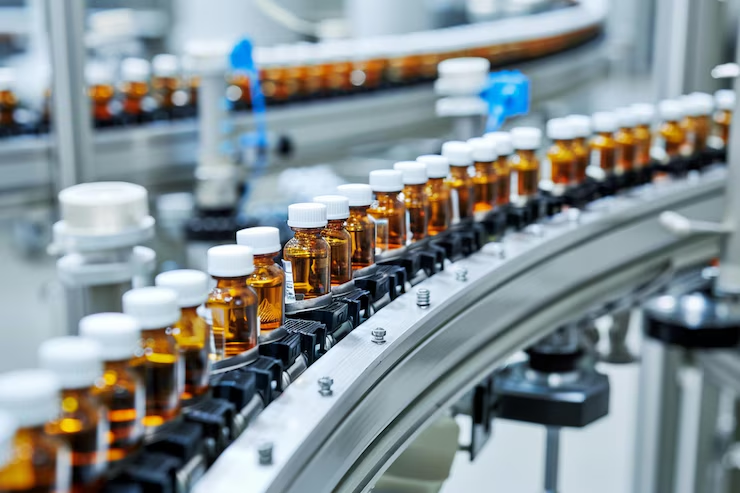
In the food industry and pharmaceutical production, even small fragments can create big problems. Standard silicone parts can wear down and escape detection, leading to hidden risks.
- Silicone seals, gaskets, and tubing may shed particles during use.
- Undetected fragments can enter final products.
- Consequences include:
- Costly product recalls
- Regulatory penalties from audits
- Long-term brand damage
- Costly product recalls
- X-ray detectable silicone components help spot fragments before products ship.
- HACCP-compliant silicone seals lower contamination risks.
- Engineers choose contamination-safe silicone parts and food-grade detectable elastomers to stay compliant.
- With X-ray visible silicone seals, even tiny fragments can be traced quickly.
How Do Detection Systems Work with X-Ray & Metal Scanners?
Modern food and pharma plants use inline detection systems to keep contamination under control. Standard silicone cannot be traced, but detectable silicone integrates seamlessly with both X-ray and metal scanners.
- X-ray detectable silicone rubber is engineered with additives to be visible under inspection.
- Works as silicone detectable by metal detection, catching fragments instantly.
- Silicone parts visible under scanner give engineers confidence during production.
- Elastomers for inline inspection reduce the chance of unnoticed contamination.
- Safer operations with food safety silicone sealing parts designed for high-risk environments.
Also Read– Top 7 Benefits of Using Metal Detectable Seals & Gaskets
What Are HACCP and Audit Expectations for Sealing Components?
Food and pharmaceutical plants operate under strict HACCP frameworks, where sealing components are viewed as critical control points.
Auditors expect every part of the system to reduce contamination risk and meet compliance standards.
- HACCP compliant silicone rubber ensures materials align with contamination control protocols.
- Auditors prefer audit-ready silicone gaskets that are validated and documented.
- Foreign material control silicone seals help manufacturers prove contamination risks are managed.
- Pharma audit checklist silicone parts give QA teams the paperwork they need during inspections.
- Engineers choose compliant elastomer sealing to avoid penalties, failed audits, and production downtime.
How Do OEM & QA Teams Mitigate Sealing Failures?
In food and pharma production, sealing failures are one of the most frustrating challenges. For an engineer, even a small crack in a gasket or seal can mean a shutdown, lost batches, and urgent redesigns.
For QA managers, every failure becomes a compliance risk auditors want to see traceability, test reports, and proof that materials can withstand real-world conditions.
- OEM engineers prefer OEM grade X-ray visible silicone because it validates designs quickly and reduces guesswork during equipment approvals.
- QA teams choose FDA compliant detectable silicone since it comes with full documentation and test data they can show auditors.
- With QA approved detectable silicone seals, teams can rely on consistency instead of worrying about unexpected material failures.
- Using FDA safety sealing materials not only prevents contamination but also avoids the stress of non-conformance reports.
- Together, these choices reduce downtime, keep lines running smoothly, and make audits far less stressful.
Also Read– Preventing Pipeline Failures with High-Performance Silicone O-Rings
What Do Procurement Teams Look for in Detectable Silicone Suppliers?

In regulated industries like food and pharma, procurement teams are responsible for choosing suppliers who can deliver more than just products. They need partners who provide quality, compliance, and complete documentation to keep production lines audit-ready.
- A reliable detectable silicone supplier must meet international quality standards.
- Procurement focuses on ISO certifications, MDR compliance, and Certificates of Analysis (COA) before approving a supplier.
- Procurement guidelines for silicone rubber include evaluating material safety, durability, and traceability.
- Using a supplier validation checklist for elastomers, teams confirm compliance and documentation standards are met.
- Detectable silicone suppliers must also guarantee consistent lead times and support during audits.
For procurement managers, the right supplier reduces risk, ensures compliance, and builds confidence during every inspection.
How Does Metal & X-Ray Detectable Silicone Compare to Standard Silicone?
When choosing sealing materials for food and pharma lines, the difference between detectable and standard silicone rubber is significant. Detectable silicone is designed with safety and compliance in mind, while standard silicone is suited for general applications.
| Feature | Metal & X-Ray Detectable Silicone Rubber | Standard Silicone Rubber |
| Detectability | Easily identified by X-ray and metal detection systems | Not visible under scanners |
| Contamination Safety | Fragments can be traced and removed before products ship | Fragments may pass unnoticed |
| Compliance | Meets FDA, HACCP, MDR standards; audit-friendly | Limited regulatory acceptance |
| Audit Readiness | Comes with documentation and traceability for QA teams | Raises concerns during inspections |
| Industry Use | Food, pharmaceutical, cleanroom, and packaging lines | General industrial applications |
By comparing the two, it’s clear why engineers, QA managers, and procurement teams prefer metal & X-ray detectable silicone. It adds a layer of safety, ensures smoother audits, and reduces the risk of costly recalls.
Why Elastostar Rubber Corporation is the First Choice for Compliance and Safety?
Food, pharma, and biotech companies need more than standard silicone parts; they need materials that guarantee safety, compliance, and reliability. Elastostar’s metal and X-ray detectable silicone rubber meets the world’s toughest standards, including FDA, MDR, HACCP, and USP Class VI (Sections 87 & 88).
We provide custom extruded profiles, silicone O-rings, gaskets, and sheet materials, supporting customers from design and prototyping to full-scale production. With our large U.S.-based facility, we offer the shortest lead times without compromising quality.
Proudly Made in the USA, Elastostar Rubber Corporation works with engineers, QA teams, and procurement managers to deliver contamination-safe, audit-ready silicone solutions with complete confidence.
Recommended Reads
- The Benefits of X-Ray and Metal Detectable Rubber Seals in the Food Industry
- What is the Importance of Metal Detectable O-Rings?
- Top 10 Properties of Rubber That Makes it Ideal for Seals & Gaskets
Conclusion
In food and pharmaceutical manufacturing, detectable silicone rubber is no longer optional it is essential. Unlike standard silicone, it offers visibility under X-ray and metal scanners, full compliance with FDA and HACCP standards, and peace of mind during audits.
That’s why engineers, QA teams, and procurement managers consistently prefer it for critical sealing and tubing applications. Choosing the right material reduces risk, avoids costly recalls, and keeps production audit-ready.
Partner with Elastostar Rubber Corporation to source FDA/MDR-compliant, audit-ready detectable silicone solutions, backed by ISO certification, full documentation, and reliable lead times.
FAQs
Q1. What makes metal detectable silicone rubber better for food and pharma lines?
It is safer because fragments can be traced by X-ray and metal detectors. This lowers contamination risks and helps manufacturers pass audits more easily compared to standard silicone.
Q2. How is silicone made detectable in inspection systems?
By adding special detectable fillers, silicone rubber becomes visible under both metal detection and X-ray inspection systems, making it suitable for contamination-sensitive environments.
Q3. Which types of silicone parts are available in detectable grades?
Detectable options include gaskets, seals, silicone tubing, and O-rings the most common components used in processing and packaging equipment.
Q4. Why is detectable silicone important for HACCP compliance?
Because HACCP programs require foreign material control. HACCP-compliant silicone parts allow auditors to confirm that sealing components support contamination monitoring.
Q5. Do OEMs and QA teams recommend detectable silicone rubber?
Yes. OEMs prefer it for safer equipment design validation, and QA teams rely on it for traceability, durability, and audit-friendly documentation.
Q6. What should procurement managers check before ordering detectable silicone parts?
They should confirm FDA/MDR compliance, ISO certification, Certificates of Analysis (COA), and supplier reliability to ensure all parts are safe and audit-ready.