
Ocean pollution remains one of the world’s most urgent environmental challenges, and industries working in marine environments are seeking safer, more sustainable materials. At Elastostar Rubber Corporation, we engineer marine-grade silicone rubber that performs in saltwater while minimizing ecological harm.
Plastics degrade and release toxins, but our silicone products are durable, non-toxic, and corrosion-resistant. They help prevent leaks, contamination, and material waste across marine applications.
In this blog, we will see how silicone improves ocean safety, supports pollution prevention, and protects marine ecosystems. With USP Class VI-compliant materials, we’re helping industries build cleaner, longer-lasting, and ocean-friendly systems.
Key Takeaways
- Silicone is safer and more durable than conventional materials used in marine environments.
- Non-toxic and corrosion-resistant properties make silicone ideal for ocean and saltwater applications.
- Prevents leaks, contamination, and material waste, supporting cleaner marine operations.
- Promotes sustainability by reducing the release of harmful substances into aquatic ecosystems.
- Trusted choice for long-term marine performance, protecting both equipment and the environment.
Table of Contents
What Makes Silicone Marine-Grade?
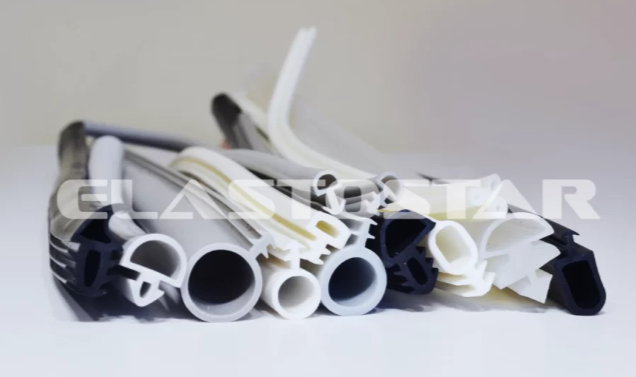
Marine environments are among the toughest environments for materials. Constant exposure to saltwater, UV rays, and fluctuating temperatures can quickly weaken conventional rubbers. What makes custom silicone seals truly marine-grade is their ability to resist all these forces while maintaining elasticity, stability, and non-toxicity.
Our specially formulated compounds prevent swelling, cracking, and surface degradation even after long-term immersion.
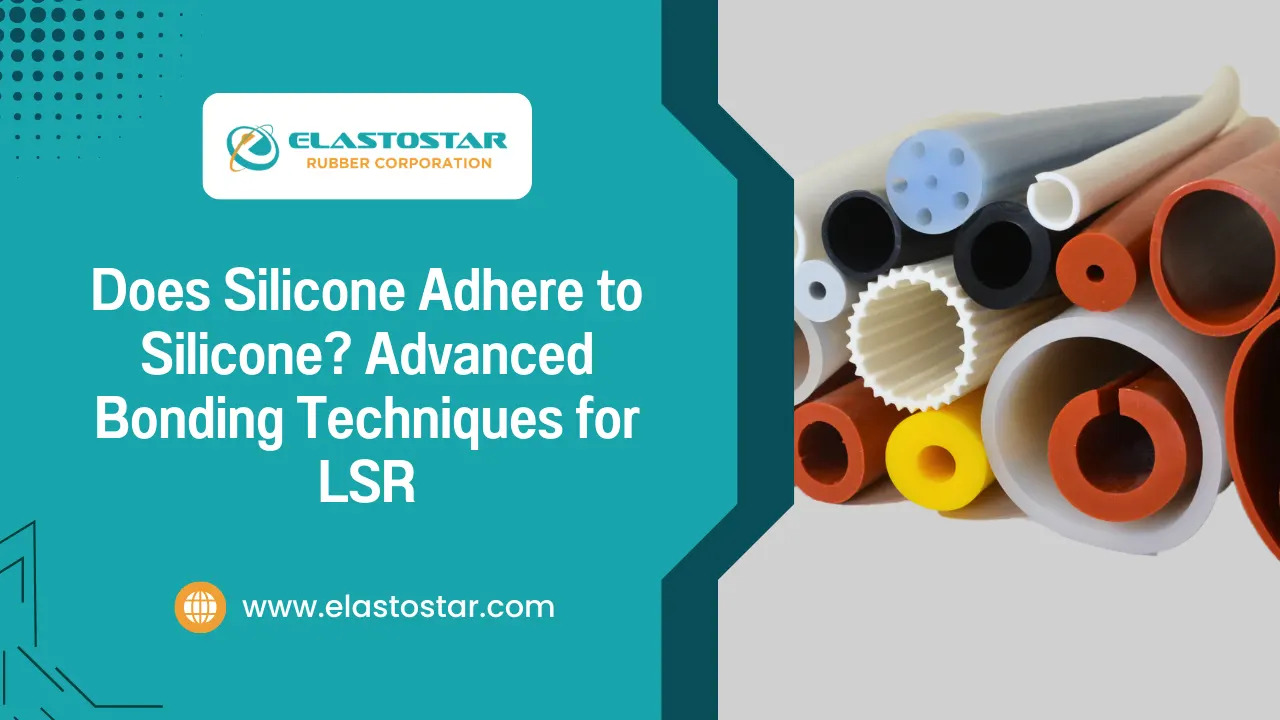
At Elastostar, we manufacture custom extruded profiles that meet stringent marine durability standards and comply with USP Class VI, Sections 87 & 88, ensuring safe use in both commercial and environmental applications.
This balance of endurance and eco-safety makes marine-grade silicone an ideal material for sustainable ocean operations.
Also Read: Silicone Rubber Compounds: Meaning, Properties & Applications
Silicone Rubber’s Role in Marine Pollution Prevention
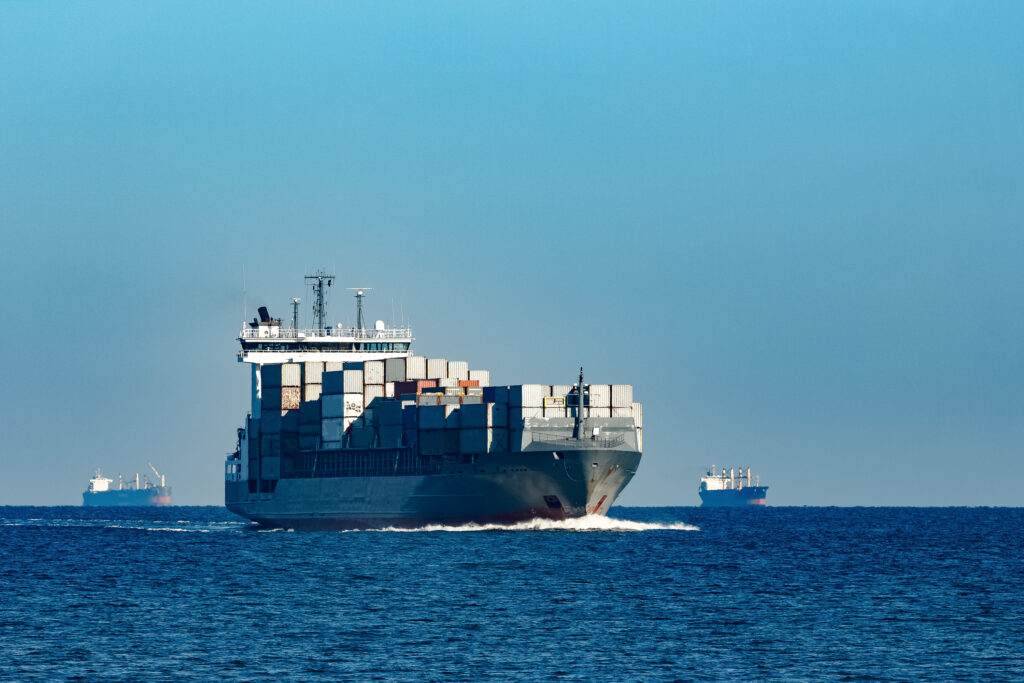
Even small leaks in marine systems can lead to large-scale contamination. Traditional rubbers and plastics often fail under saltwater exposure, releasing microplastics or toxic residues into the ocean.
Our Sponge silicone rubber for ocean pollution solutions is engineered to prevent such breakdowns and maintain system integrity for years.
How Silicone Prevents Ocean Pollution?
- Resists corrosion and saltwater degradation, preventing seal failure.
- Stops fuel, oil, and chemical leaks, reducing direct contamination.
- Eliminates microplastic shedding, keeping marine water cleaner.
- Performs in extreme marine temperatures, from tropical heat to icy depths.
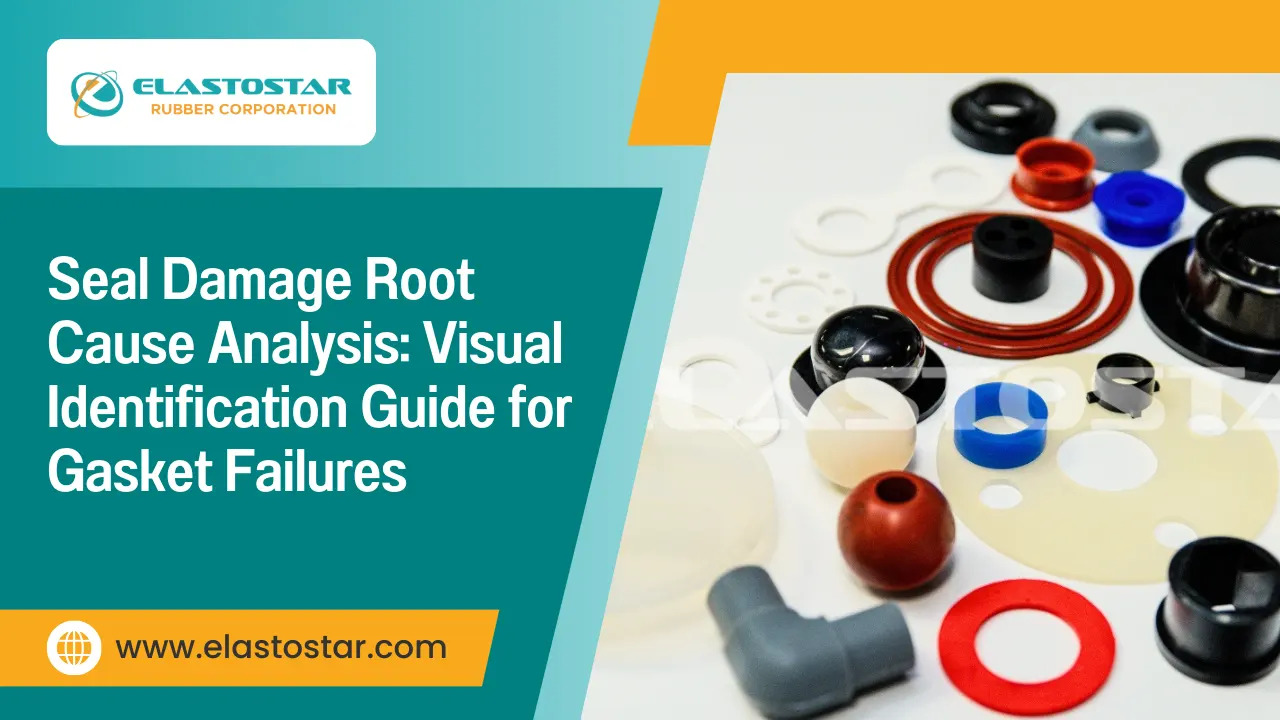
At Elastostar, we manufacture Vulcanized Rubber O-rings and gaskets designed specifically for marine sealing systems.
Their anti-pollution properties and long service life help vessels, underwater equipment, and coastal facilities operate more safely, protecting both performance and the planet.
Environmental Impact of Silicone in Marine Systems
Marine systems demand materials that can perform without harming the environment. Traditional plastics and synthetic rubbers often degrade, releasing microplastics and chemicals into the ocean.
Our marine pollution prevention solutions focus on sustainable materials that perform reliably while minimizing environmental risks.
- Chemically inert: does not react with seawater or release toxins.
- Long service life: fewer replacements mean less waste and reduced production emissions.
- UV- and ozone-resistant: ideal for long-term use in open-water conditions.
- Sustainable manufacturing: We use eco-friendly silicone gasket formulations designed to support ocean-safe operations
We produce silicone sheet materials that maintain performance even in harsh offshore conditions. Their stability, safety, and recyclability make them an environmentally responsible choice for marine engineers committed to cleaner operations.
What are the Applications of Silicone in Marine & Underwater Systems?
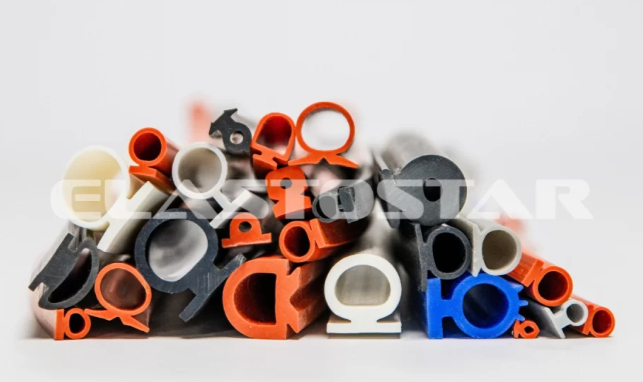
Every component used offshore is subject to corrosion, vibration, and extreme pressure. Our silicone for underwater systems offers long-term flexibility, watertight protection, and chemical stability qualities essential for sustainable marine operations.
Key Marine Applications
- Vessel and ship sealing: Prevents hydraulic and fuel leaks while withstanding constant motion.
- Subsea robotics & sonar housings: Maintains waterproof integrity under deep-sea pressure.
- Aquaculture & marine farms: Keep enclosures free of contamination to protect aquatic species.
- Research buoys & sensors: Provides insulation without chemical leaching into ocean water.
- Coastal infrastructure: Guards flanges, joints, and valves from continuous salt exposure.
We engineer marine-grade gaskets ring that combine elasticity, compression strength, and salt-corrosion resistance.
Each design is customised to customer specifications and developed in our U.S. facility, in compliance with USP Class VI standards for environmental and performance reliability.
How Silicone Helps Protect Marine Wildlife?
Protecting marine life starts with the materials we choose. Conventional plastics and low-grade rubbers often degrade in seawater, releasing micro-particles that endanger coral reefs and aquatic species.
Our marine-grade silicone lip rubber is engineered to be chemically inert and non-toxic, ensuring no harmful substances leach into delicate ecosystems. Its resistance to salt, sunlight, and biofouling means longer performance life with minimal environmental impact.
Reducing Contamination in Marine Operations
Every leak or chemical release can disrupt marine habitats. Silicone’s exceptional sealing properties prevent oil, hydraulic fluid, and chemical seepage in vessels, research buoys, and aquaculture systems.
By maintaining secure, stable seals, our materials help lower the risk of contamination while supporting cleaner, safer marine technologies that coexist with nature rather than harm it.
Also Read: Can Silicone Rubber Become Toxic?
Our Commitment to Ocean Conservation
At Elastostar Rubber Corporation, we design non-toxic marine materials, including custom O-rings, gaskets, and silicone sheets that combine reliability with environmental responsibility. All products are manufactured in our U.S. facility in accordance with USP Class VI, ensuring purity and traceability.
We partner with marine engineers and conservation-focused manufacturers to deliver sealing solutions that not only perform under pressure but also protect the oceans that sustain us all.
Why Marine Industries Trusts Elastostar Rubber Corporation for Silicone Solutions?

Marine operations rely on components that perform without failure even in saltwater, pressure, and constant exposure.
At Elastostar Rubber Corporation, we combine precision engineering with sustainability to create sealing solutions that meet the highest marine standards.
Being a premium marine-grade silicone rubber manufacturer, we are trusted by engineers and environmental specialists because we deliver proven performance, long service life, and eco-safe operation.
Why Marine Clients Choose Us?
- Tested for USP Class VI, Section 87 & 88 compliance, ensuring material purity and environmental safety.
- Custom manufacturing for O-rings, gaskets, and rubber tubing to marine needs.
- Reverse engineering and design support to upgrade or replace legacy parts quickly.
- Prototype-to-production capabilities with the shortest lead times for global marine projects.
- Large U.S.-based facility ensuring quality control, scalability, and traceability.
- Proudly Made in the USA – every product reflects reliability and craftsmanship.
Each silicone component we produce supports cleaner, safer, and longer-lasting marine systems. Our goal is to help industries operate efficiently while protecting the oceans that sustain them.
Recommended Reads
- Exploring the Role of Silicone Seals in Aerospace Innovation
- FDA Metal-Detectable Silicone Rubber O-Rings, Seals & Gaskets
- Comprehensive Rubber Solutions in the Aviation Industry by Elastostar
Conclusion
Protecting the ocean starts with smarter engineering choices. Our marine-grade silicone rubber combines long-term durability with environmental responsibility, helping industries reduce leaks, corrosion, and material waste.
At Elastostar, we remain committed to innovation that keeps performance strong and oceans cleaner. Contact us to discover ocean-safe silicone solutions for your next marine project.
By replacing toxic and short-lived materials, we support cleaner operations that safeguard marine ecosystems. Every solution we design, from O-rings and gaskets to custom extruded profiles, is developed in accordance with USP Class VI and produced in our U.S. facility.
FAQs
Q1. What makes silicone rubber ideal for marine applications?
Our marine-grade silicone rubber is specifically designed for harsh ocean conditions. It resists corrosion, UV radiation, and saltwater damage while maintaining flexibility and strength. These properties are for sealing systems in vessels, offshore platforms, and underwater equipment. Its non-toxic, stable composition ensures safety for both operators and the marine environment.
Q2. How does silicone rubber help prevent ocean pollution?
Silicone’s chemical stability prevents it from degrading or releasing harmful microplastics into seawater. Our silicone solutions for marine pollution control stop leaks from fuel, oil, and chemical systems, reducing contamination risks. By offering durable, leak-free performance, silicone rubber cord materials actively help reduce ocean waste and improve sustainability in marine operations.
Q3. What environmental benefits does silicone provide in marine applications?
Silicone rubber is an eco-friendly material that supports long-term environmental safety. It is chemically inert, recyclable, and resistant to degradation, reducing replacements and industrial waste. In marine environments, it helps minimize pollution by preventing chemical interactions and extending component life, an essential step toward a cleaner, sustainable ocean ecosystem.
Q4. How does silicone rubber protect marine wildlife?
Our non-toxic silicone for aquatic systems helps prevent harmful substances from leaching into seawater, protecting marine species from exposure to toxic compounds. It ensures stable, contamination-free operation in aquaculture, underwater sensors, and marine research equipment. By replacing conventional materials that release harmful residues, silicone supports healthier marine habitats and long-term biodiversity protection.