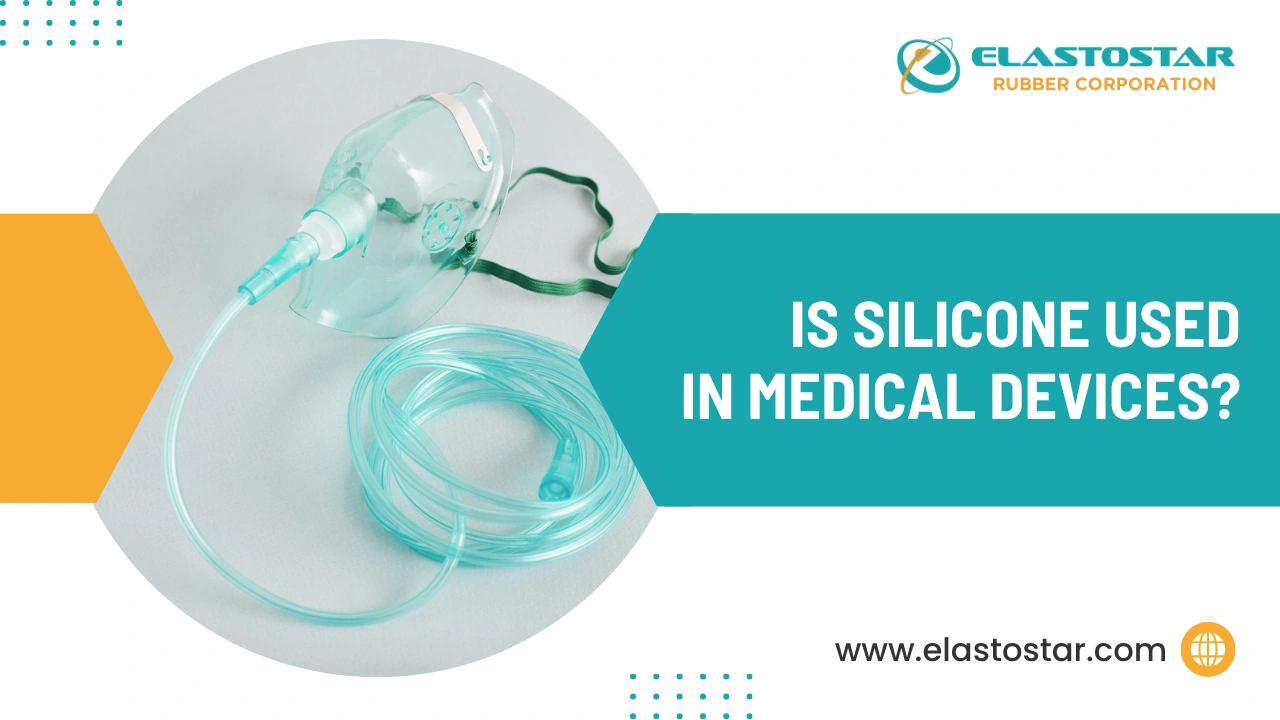
The use of silicon in medicine has skyrocketed in recent years, revolutionizing the development of modern healthcare solutions. From life-saving implants to everyday medical tubing, medical silicone products are valued for their biocompatibility, flexibility, and resilience in extreme conditions.
Extruded Silicone rubber is widely preferred in both external and internal applications because it is non-toxic, easily sterilized, and resistant to degradation. Even certain industrial-grade silicone products are being engineered to meet medical-grade requirements for support systems and equipment parts.
In this blog, we will explore why silicone is used in medical devices, its suitability, the certifications it holds, and how manufacturers like Elastostar help meet healthcare standards with custom silicone solutions.
Table of Contents
Is Silicone Used in Medical Devices?

Silicone tubes are widely used in medical devices across nearly every modern healthcare sector. Their excellent biocompatibility, flexibility, and resistance to heat and chemicals make them a top choice for components such as catheters, medical tubing, implants, seals, and diagnostic accessories.
Research indicates that over 50% of implantable medical devices incorporate silicone parts. Silicone’s stability inside the human body, ability to endure repeated sterilization, and low risk of allergic reactions make it suitable for short-term and long-term medical applications, from surgical tools to wearable health monitors.
What Makes Silicone Suitable for Medical Devices?
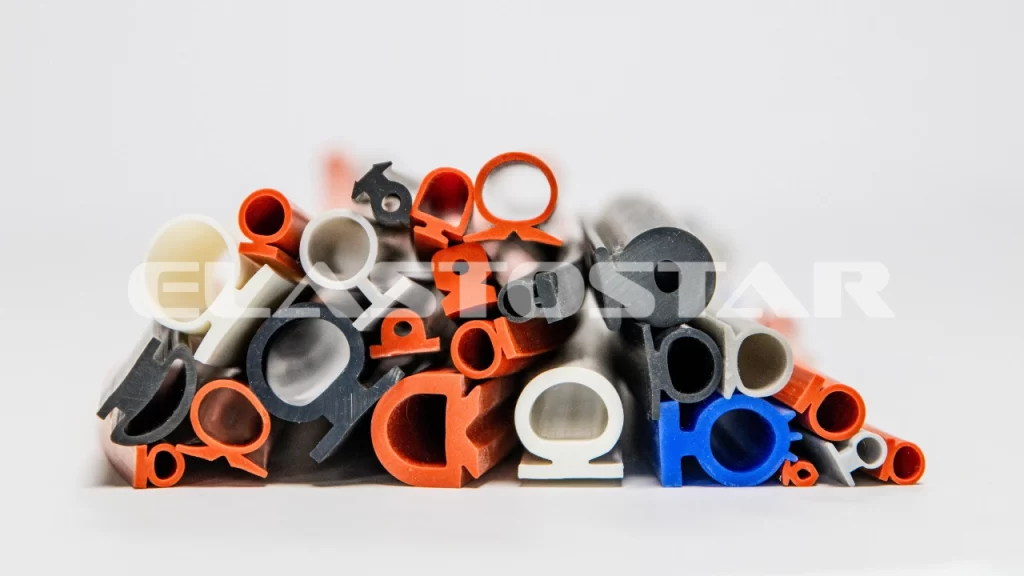
Silicone rubber is uniquely suited for medical use due to its unmatched safety, performance, and adaptability. It is biocompatible with medical silicone rubber, which won’t irritate or react with human tissue. This makes it ideal for applications that involve direct contact with skin, fluids, or internal organs.
Additionally, silicone is non-toxic, non-reactive, and hypoallergenic, reducing the risk of infection or allergic response. It can also be sterilized multiple times through autoclaving, gamma radiation, or ethylene oxide without degrading quality.
From medical sealants that support wound closure to industrial silicone components used in advanced diagnostic systems, silicone’s flexibility, thermal resistance, and chemical stability make it a dependable choice. These properties ensure consistent performance, even in demanding environments such as operating rooms or implanted systems.
How Silicone Performs in Sterile Medical Environments?
Materials must excel in intense cleaning, high heat, and chemical exposure in sterile medical settings without compromising performance. Silicone excels in these conditions, making it one of the most trusted materials in critical healthcare applications.
One key factor is its high-temperature resistance. Medical-grade high-temperature silicone can endure repeated autoclave sterilizations at temperatures above 121°C (250°F) without degrading, melting, or losing flexibility.
Additionally, platinum-cured silicone is especially suited for clean environments. It contains fewer extractables and leachables than peroxide-cured types, making direct contact with patients and sensitive fluids safer.
Whether used in silicone rubber pipes, tubing, or molded components, silicone maintains a sterile barrier and resists microbial growth. Its chemical stability and low reactivity ensure that devices remain contamination-free through repeated sterilization cycles, protecting patients and equipment.
What Are the Common Medical Devices That Use Silicone?
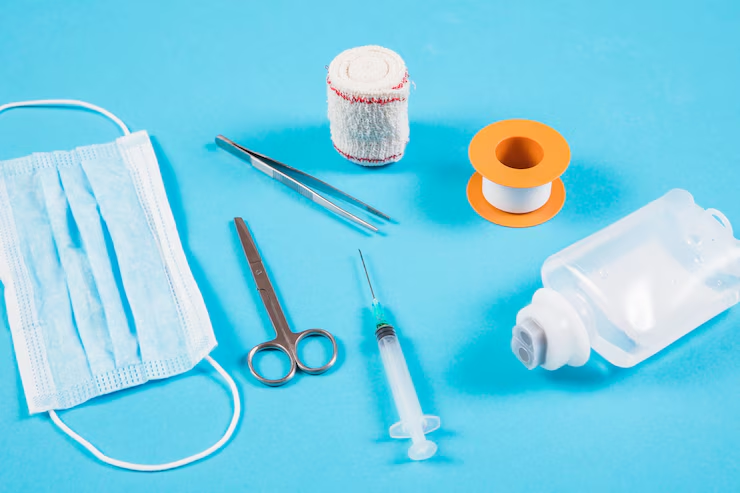
Due to its flexibility, safety, and reliability, silicone is a foundational material in many medical devices. Its applications span nearly every healthcare sector, from simple tubes to advanced surgical components.
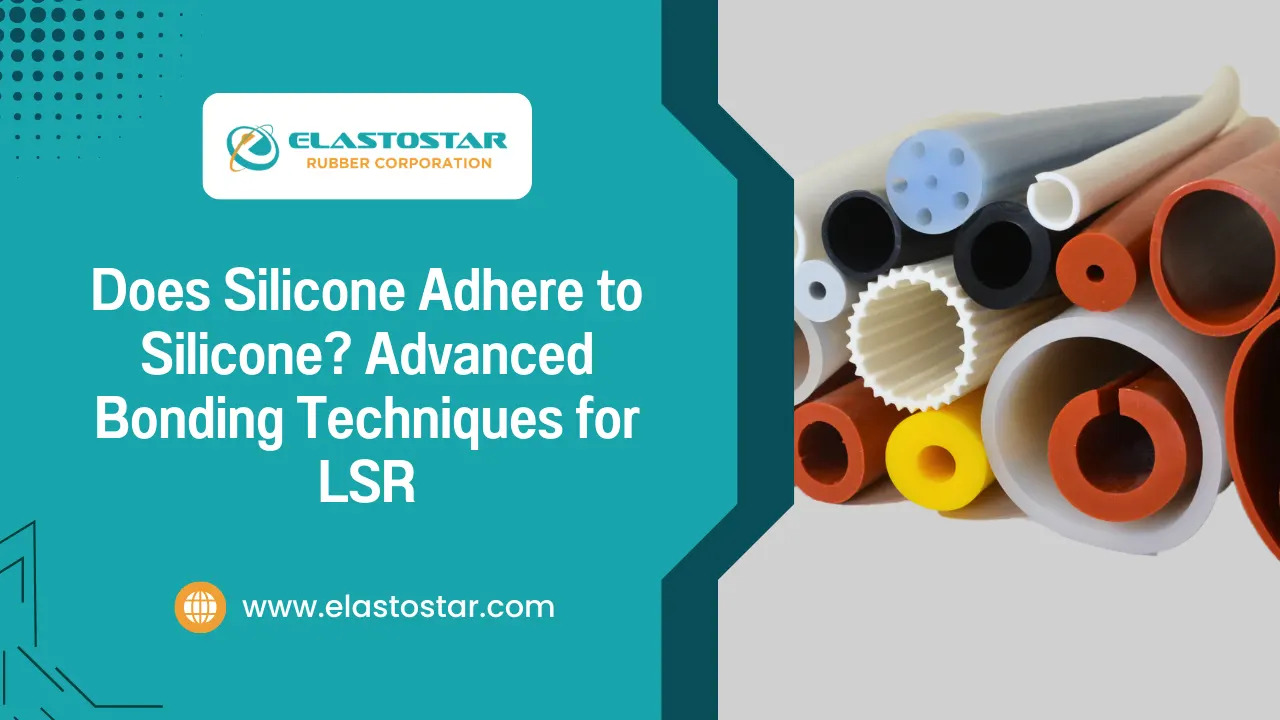
- Medical silicone tubes are widely used in IV lines, catheters, and fluid transfer systems due to their softness, durability, and kink resistance.
- Surgical silicone is essential for implantable components, providing long-term compatibility within the body.
- Silicone medical tubing is preferred in respiratory devices and drug delivery systems because it maintains integrity under pressure and sterilization.
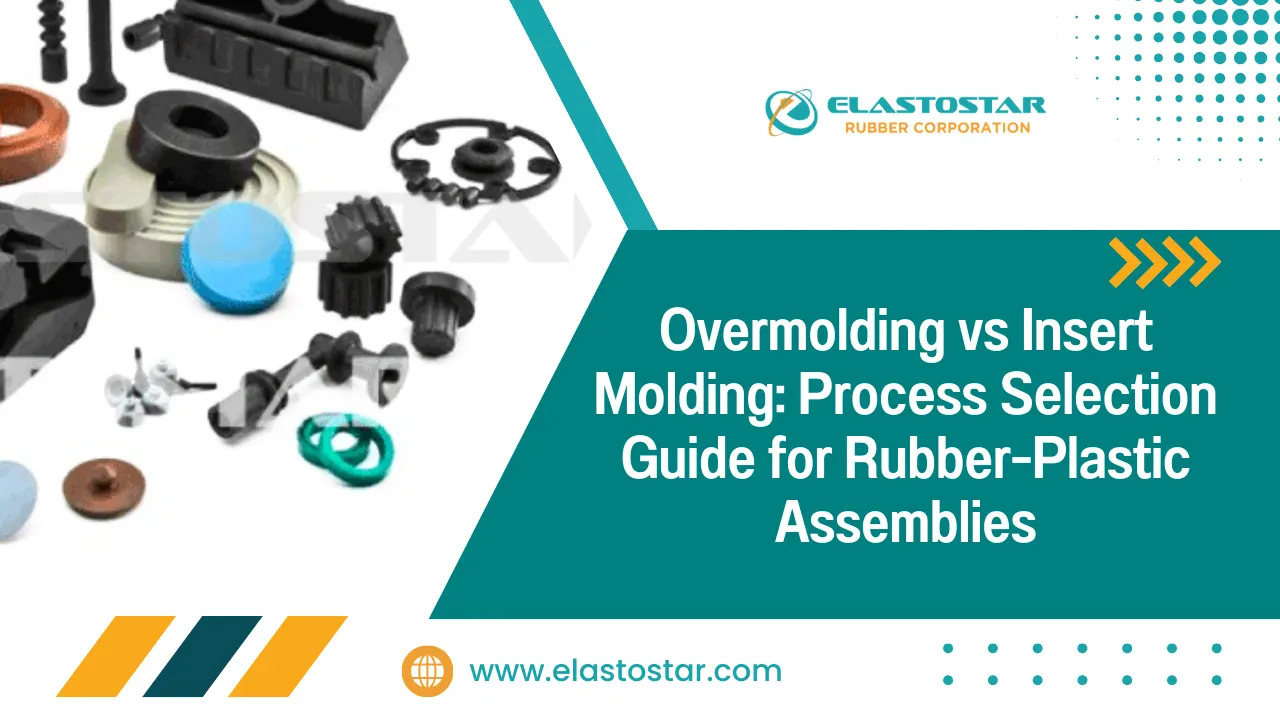
- Medical device silicone components, including diaphragms, stoppers, and valves, require a precise fit and consistent performance.
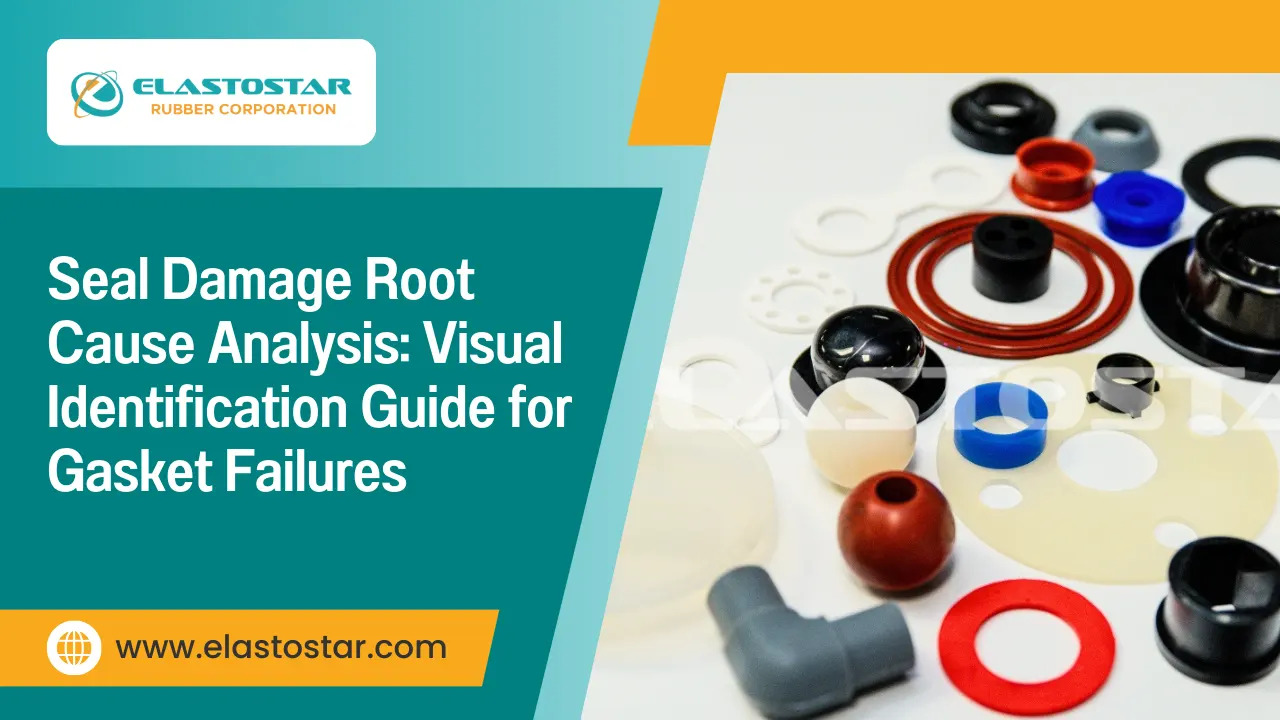
- Silicone rubber gaskets are used in diagnostic machines, sterilizers, and surgical instruments. They offer excellent sealing properties even under fluctuating temperatures.
Silicone drives modern medical device design innovation, whether in disposable tools or long-term implants.
What Safety and Compliance Certifications Are Required for Medical-Grade Silicone?
Silicone must meet strict safety and regulatory standards for medical devices. These certifications ensure the material is safe for contact with human tissue, bodily fluids, or internal use.
1. FDA Approved Silicone
Medical-grade silicone must comply with FDA 21 CFR 177.2600, allowing it to be safely used in repeated contact with body tissues, fluids, and food-related applications.
2. FDA Compliant Silicone Rubber
Materials labeled “FDA compliant” have passed specific chemical safety evaluations and are approved for use in regulated medical and healthcare devices.
3. USP Class VI Certification
This certification includes rigorous testing for toxicity, irritation, and biocompatibility. It confirms that the silicone will not cause harmful biological reactions and is safe for short- and long-term patient contact.
4. Build America, Buy America Act (B.A.B.A.A.) Compliance
For manufacturers working on federally funded healthcare projects, B.A.B.A.A. compliance is essential. This policy requires that materials, including medical-grade silicone components, be sourced and manufactured within the United States. Compliance supports domestic manufacturing and ensures the integrity of the supply chain for government-funded medical device initiatives.
5. Silicone Rubber Tubing for Medical Use
Medical-grade silicone tubing must meet additional performance and sterilization standards. It must handle high temperatures, repeated sterilization, and chemical exposure without degrading or compromising patient safety.
What Are the Benefits of Silicone Over Other Materials in Medical Applications?
Silicone is widely preferred in medical manufacturing due to its unique properties, which outperform those of other common materials, such as latex, PVC, and thermoplastics.
1. Hypoallergenic & Non-Toxic
Unlike latex, which can cause allergic reactions, silicone is non-reactive and safe for all patient-contact applications.
2. Superior Temperature and Chemical Resistance
Silicone gasket material resists high heat and harsh chemicals, making it more durable and reliable than many other rubber types.
3. Long-Term Stability
Gasket silicone rubber maintains flexibility and strength over time, even with repeated sterilization, unlike latex or PVC, which degrade more quickly.
4. Versatile for Custom Applications
For customized seals and components, silicone can be molded into rubber or extruded into complex shapes without losing integrity.
How Customizable Is Silicone for Medical Device Design?

Silicone’s adaptable nature makes it an ideal material for custom medical components. Manufacturers benefit from its ability to be shaped, sized, and finished to exact application needs.
1. Customised Shapes and Sizes
Whether custom silicone rings or d-shaped rubber gaskets, silicone can be precision-extruded or molded to fit intricate medical device designs.
2. Versatile Sealing Solutions
From custom rubber seals to complex custom gaskets, silicone offers flexibility in geometry, hardness, and sealing performance for various pressure and sterilization environments.
3. Support for Rapid Prototyping
Manufacturers can quickly create prototypes of custom silicone medical accessories, reducing development cycles and ensuring proper fit before full production.
Why Medical OEMs Trust Elastostar Rubber Corporation?
At Elastostar Rubber Corporation, we specialize in medical silicone contract manufacturing for OEMs in the healthcare industry. As a leading rubber product manufacturer, we are trusted for our precision, quality, and compliance with FDA and ISO standards. Here’s why medical OEMs choose us:
- In-house manufacturing of custom rubber molded parts and custom silicone products
- Reverse engineering, design assistance, and support from prototype to full production run
- Shortest lead time delivery with full batch traceability
- Cleanroom production and strict quality control
- Materials tested and certified to USP Class VI, Section 87 & 88 standards
- Scalable solutions customised for tubing, seals, gaskets, and more
We combine speed, safety, and customization to support your critical medical manufacturing needs.
Recommended Reads
- How Is Silicone Rubber Used in the Medical & Pharmaceutical Industry?
- Why the Medical Industry Preferred Silicone Tubing
- Medical-Grade Silicone: Meaning & Applications

Conclusion
Silicone seals have proven to be reliable for medical devices due to their biocompatibility, durability, and ability to withstand sterilization and high temperatures. They support patient safety and regulatory compliance, from implants to tubing and seals.
As a trusted Rubber gasket manufacturer, we deliver custom rubber gaskets and rubber silicone seals that meet strict medical standards. With in-house manufacturing and FDA-compliant materials, we help OEMs produce consistent, safe, and high-performance components. Contact our team to discuss your custom silicone needs for your next medical project.
FAQs
1. Is silicone safe for use in medical devices?
Yes, medical-grade silicone is hypoallergenic, non-toxic, and highly biocompatible.
It’s ideal for long-term contact with the body. Contact us to explore Elastostar’s FDA-compliant silicone products.
2. What types of medical devices use silicone rubber?
Silicone is used in tubing, catheters, implants, and surgical seals. It’s flexible, durable, and easy to sterilize. Explore our medical-grade silicone tubing and custom gaskets.
3. Is platinum-cured silicone better for medical products?
It is cleaner, purer, and preferred for patient-facing components. It ensures minimal leaching and high thermal stability. Need help selecting materials? Talk to our team at Elastostar.
4. Can silicone be sterilized for medical use?
Yes, it withstands steam autoclaving, gamma radiation, and EtO gas. It retains its properties after multiple sterilization cycles. Our platinum-cured silicone seals are built for repeat sterilization.
5. Is silicone used for implants or only external devices?
Silicone is safe and stable and used in both external and internal medical devices, from skin-contact wearables to implantables. Elastostar offers tested and USP Class VI-certified components.
6. Does Elastostar supply medical-grade silicone components?
We supply tubing, seals, gaskets, and custom parts for OEMs. All products meet FDA, ISO, and USP Class VI standards and quality control. Please request a quote or sample today; we deliver across the USA.