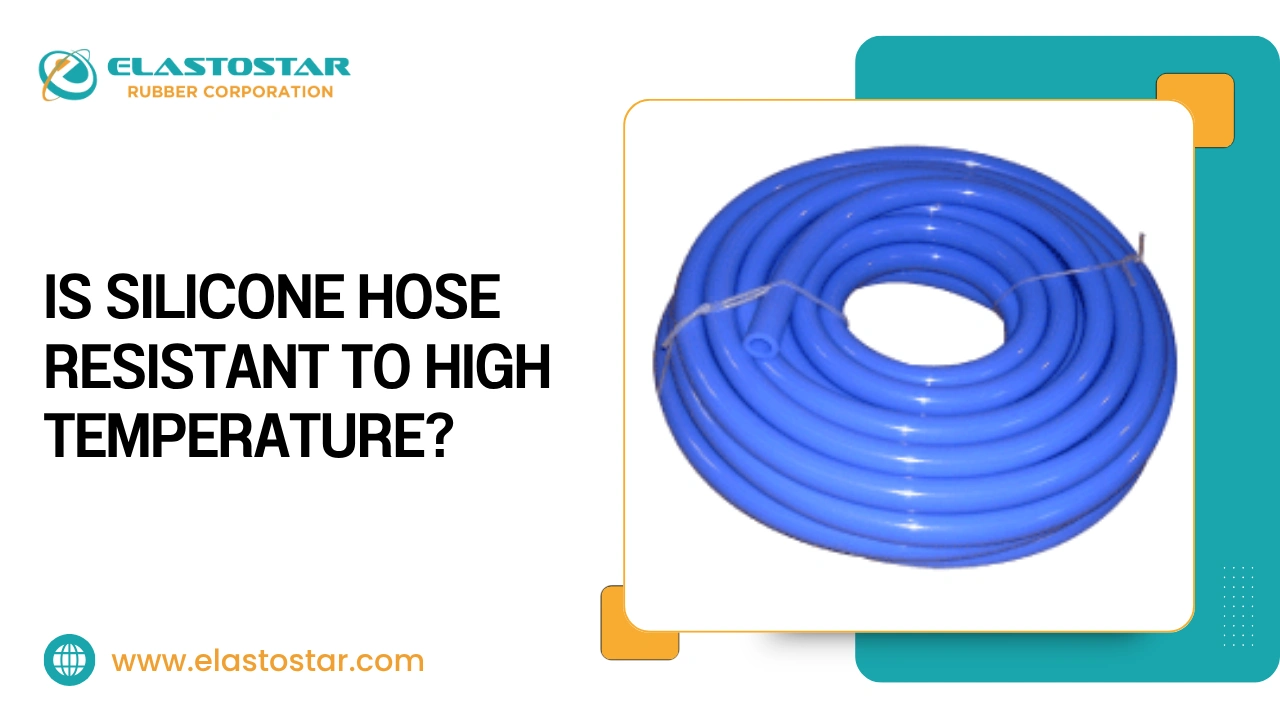
A high-temperature silicone rubber hose is designed to deliver reliable performance in extreme heat conditions across various industries. Whether used in medical equipment, food processing, automotive systems, or pharmaceutical manufacturing, these hoses remain flexible, safe, and durable even when exposed to continuous high temperatures.
Unlike traditional rubber hoses, silicone hoses resist cracking, shrinking, and hardening under thermal stress. With excellent thermal stability, biocompatibility, and compliance with FDA and USP standards, they are trusted for sensitive, high-performance applications.
In this guide, we’ll explore why silicone hoses are heat-resistant, the maximum heat they can handle, and how to select the right one.
Key Takeaways
- Silicone hoses handle continuous heat up to 260°C (500°F), making them ideal for high-temp medical, food, and industrial use.
- Their thermal stability, flexibility, and purity outperform traditional rubber or plastic alternatives.
- Medical-grade silicone tubing is heat-resistant and safe for autoclaving, sterilization, and pharmaceutical use.
- Compared to rubber or PTFE, silicone offers a better balance of flexibility, safety, and cost for most heat-sensitive applications.
- Elastostar’s U.S.-made silicone hoses are FDA- and USP-certified, with custom options and fast delivery for critical environments.
Table of Contents
Is Silicone Hose Resistant to High Temperature?

Yes, silicone hose is highly resistant to high temperatures, making it an excellent choice for demanding applications across industries. Its advanced material structure allows it to remain flexible, durable, and safe even under continuous exposure to high temperatures. Whether used in autoclaves, engine compartments, food processing lines, or pharmaceutical production, silicone hose consistently outperforms traditional rubber alternatives.
If you’re evaluating whether a hose can handle heat without degrading, cracking, or failing, silicone stands out. Backed by strong thermal stability and a proven track record, it’s the ideal solution when temperature resistance truly matters.
Read more – How Is Silicone Rubber Used in the Medical & Pharmaceutical Industry?
What Makes Silicone Hose Heat Resistant?
Silicone hose seals are heat-resistant due to the unique structure of extruded silicone rubber, which is composed of a stable chain of alternating silicon and oxygen atoms. This structure provides it with exceptional thermal stability, enabling it to withstand both high and low temperatures without degradation.
The properties of silicone rubber include resistance to cracking, shrinking, and hardening under heat, for continuous use in high-temperature environments.
Silicone rubber heat resistance is further enhanced through curing methods. A platinum-cured silicone hose offers even greater purity and temperature tolerance, especially important in medical and food-grade settings.
These characteristics make silicone tubing’s heat resistance a key advantage for industries that demand durability and flexibility under thermal stress.
What Is the Maximum Temperature a Silicone Hose Can Withstand?
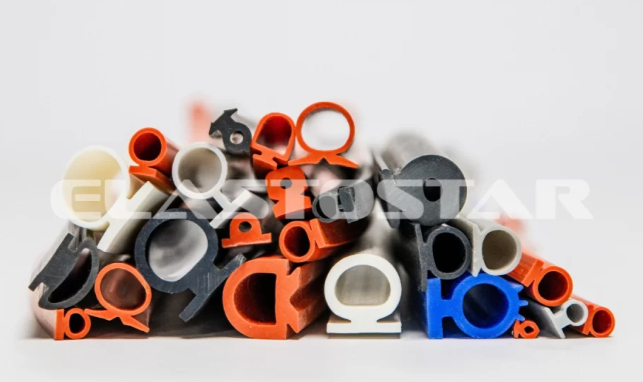
Standard Temperature Range: Most high-temperature silicone hoses are rated for continuous use between -60°C and 260°C (-76°F and 500°F).
Extended Tolerance Grades: Certain specialized versions can tolerate up to 315°C (600°F) for short-term or intermittent exposure.
Key Influencing Factors: Actual performance depends on application-specific variables, including exposure time, pressure, ambient temperature, and the type of fluid used.
Application-Based Ratings
- Medical and laboratory use: Withstands repeated sterilization cycles, including autoclaving, without degradation.
- Food-grade systems: Maintain flexibility and safety during hot-fill, pasteurization, and sanitation processes.
- Industrial environments: Performs reliably in high-temperature areas such as enclosures, ovens, and exhaust systems.
Compared to other materials such as rubber or thermoplastics, silicone hoses offer significantly better temperature resistance for use in demanding and high-heat environments.
Is Medical-Grade Silicone Hose Also Heat Resistant?

Medical-grade silicone hose is engineered not only for safety but also for thermal endurance. In medical and pharmaceutical environments, heat resistance is crucial, particularly when sterilization and fluid transfer are involved. Most biocompatible silicone tubing is made from platinum-cured silicone, which enhances both purity and heat tolerance.
- Heat-resistant medical tubing can withstand autoclave cycles at temperatures up to 134°C (273°F) without degrading.
- Meets critical certifications, including USP Class VI silicone hose, FDA, and ISO 10993 standards.
- Designed for consistent performance in applications like
- Surgical tools and assemblies
- IV and drug delivery systems
- Lab instruments and sampling lines
- Cleanroom and biotech production
- Surgical tools and assemblies
Due to its combination of safety, purity, and durability, silicone hose for medical devices is a trusted solution for high-temperature and sensitive use cases.
How Does Silicone Hose Compare to Other Heat-Resistant Materials?
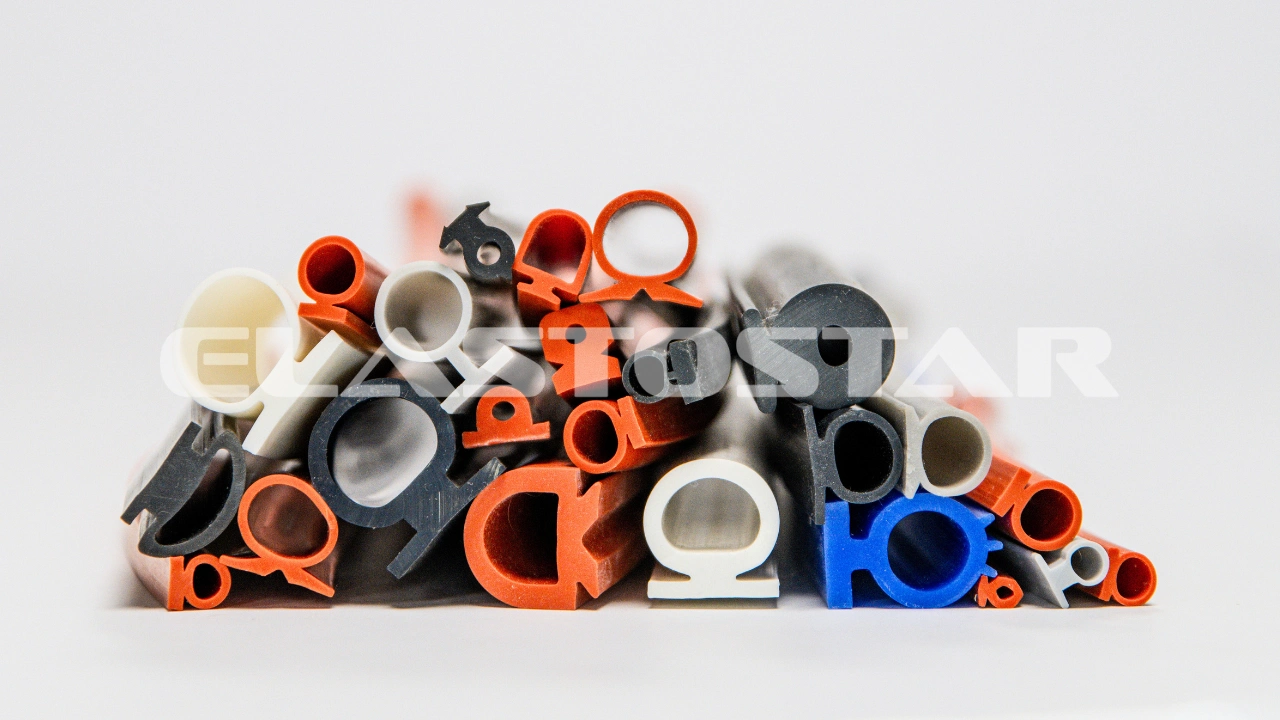
Silicone vs Rubber Hose
- Temperature Resistance
Silicone hoses can withstand temperatures up to 260°C (500°F), whereas rubber hoses typically reach a maximum of around 150°C (302°F). - Flexibility
Silicone stays flexible in both high and low temperatures. Rubber tends to harden or crack over time. - Durability
Silicone is more resistant to aging, UV, and ozone, for long-term use.
Silicone vs PTFE (Teflon)
- Heat Resistance
PTFE can tolerate even higher temperatures (up to 315°C / 600°F), but it is less flexible than silicone. - Flexibility & Bend Radius
Silicone offers better flexibility, which is helpful in tight or moving parts. - Cost & Use Case
PTFE is more expensive and is mainly used where extreme chemical resistance is required. Silicone is more versatile for medical, food, and industrial applications.
Why Choose Silicone?
Silicone seals are an elastomer, meaning they stretch and return to their original shape, making them ideal for dynamic or flexible connections. It’s also non-toxic, easy to sterilize, and safe for contact with sensitive fluids, making it a popular choice across multiple industries.
Read more – What Is the Difference Between Silicone and Food Grade Silicone?
What are the Applications of Heat-Resistant Silicone Hose?
Heat-resistant silicone hoses are engineered for demanding environments where both thermal stability and material safety are essential. Their versatility makes them suitable across multiple high-performance sectors:
- Medical and Healthcare Devices
Heat-resistant silicone is crucial in medical devices that require flexibility, sterilization, and biocompatibility. Common medical silicone products include autoclave tubing, surgical drains, and respiratory circuit connectors. These components are built to meet FDA and USP Class VI standards, ensuring safe performance in patient care settings. - Pharmaceutical and Biotech Processing
Silicone hoses for pharmaceutical use offer sterile and stable fluid transfer in critical environments, including cleanrooms and pharmaceutical manufacturing facilities. Its chemical inertness and temperature resistance make it ideal for vaccine filling lines and bioreactor feeds. - Food and Beverage Handling
Silicone for healthcare devices also meets FDA standards for food-grade use. It’s widely used in beverage dispensing, dairy processing, and thermal food-handling systems due to its ability to withstand extreme temperatures and sanitization cycles. - Automotive and Electronics
In automotive engines, battery packs, and sensors, high-temp flexible tubing and medical-grade materials provide heat shielding and vibration resistance. The same tubing is used in electronics where temperature stability and insulation are critical for protecting components.
Read more – Why Is Silicone Rubber Popular for Use in the HVAC Systems?
How to Choose the Right High-Temperature Silicone Hose?
Choosing the right high-temp silicone hose comes down to matching the material with your application’s pressure, temperature, and certification needs.
- Durometer (Hardness): Softer silicone durometers (e.g., Shore A 50–60) are ideal for flexible setups. Firmer tubes work better under pressure.
- Lumen Count: Select the correct silicone tube lumen count (medical), single or multi-lumen, based on flow requirements.
- Certifications: For safe tubing for high-heat medical devices, ensure the hose meets FDA, USP Class VI, and ISO 10993 standards.
Always select high-quality medical tubing materials that perform effectively under both high-temperature and high-pressure conditions.
Why Elastostar Is Your Trusted Partner for High-Temperature Silicone Hoses?

At Elastostar Rubber Corporation, we specialize in Made-in-USA silicone hose solutions engineered for high-temperature performance across various applications, including medical, industrial, pharmaceutical, and food-grade sectors. We provide end-to-end support from custom design to full production, customised to your pressure, durometer, and certification requirements.
Our materials are tested and certified to USP Class VI, including Sections 88 and 87, and available in platinum-cured, FDA-compliant, and ISO-certified grades. With rapid turnaround, full traceability, and the shortest lead times in the industry, we ensure both quality and reliability. Contact us today to experience precision, compliance, and performance you can trust.
Recommended Reads
- Which Is Better: Peroxide-Cured or Platinum-Cured Silicone Tubing?
- What Grades of Silicone Rubber Are Available?
- Top Applications of FDA Silicone Rubber in Food Processing Industries

Conclusion
Silicone hose is a smart choice when you need reliable performance in high-temperature environments. It stays flexible, safe, and durable even under extreme heat, for medical, food, industrial, and automotive applications. With options like platinum-cured and FDA or USP Class VI-certified tubing, silicone offers long-term value and safety. Whether you need single or multi-lumen tubing or help choosing the right size and durometer, it’s important to work with a trusted supplier.
FAQs
1. What temperature can silicone hose withstand?
Most high-temperature silicone hoses can withstand continuous exposure to temperatures of up to 260°C (500°F). Specialty grades may tolerate short-term spikes up to 315°C (600°F), depending on the formulation.
2. Is a silicone hose more heat-resistant than a rubber hose?
Yes. Silicone vs. rubber heat resistance shows that silicone offers superior thermal stability, flexibility, and a longer lifespan under high-heat conditions.
3. Are medical-grade silicone hoses heat resistant?
Absolutely. Medical-grade silicone hoses, particularly platinum-cured silicone hoses, are specifically designed to withstand high temperatures and repeated sterilization without degrading. Reach out to Elastostar Rubber Corporation for USA-made, compliant solutions.
4. Can silicone hoses be used in autoclaves
Yes. Heat-resistant medical tubing made from biocompatible silicone is widely used in autoclave cycles due to its durability and compliance with healthcare standards.
5. How do I choose the best silicone hose for high-temp applications?
Select hoses with the correct durometer, certifications (such as FDA and USP Class VI), and temperature rating for silicone hoses based on your specific operating conditions. Contact us at Elastostar Rubber Corporation for expert guidance and custom recommendations.
6. Is platinum-cured silicone better for high-temperature resistance?
Yes. Platinum-cured silicone hoses provide enhanced temperature tolerance and purity compared to peroxide-cured alternatives, especially in medical and food-grade applications. Contact our team at Elastostar Rubber Corporation to determine the ideal grade for your specific application.
7. Can I use silicone hose for hot liquids or steam?
Yes. High-temperature silicone hoses are safe for transferring hot fluids or steam in food, pharmaceutical, and industrial systems when properly rated.