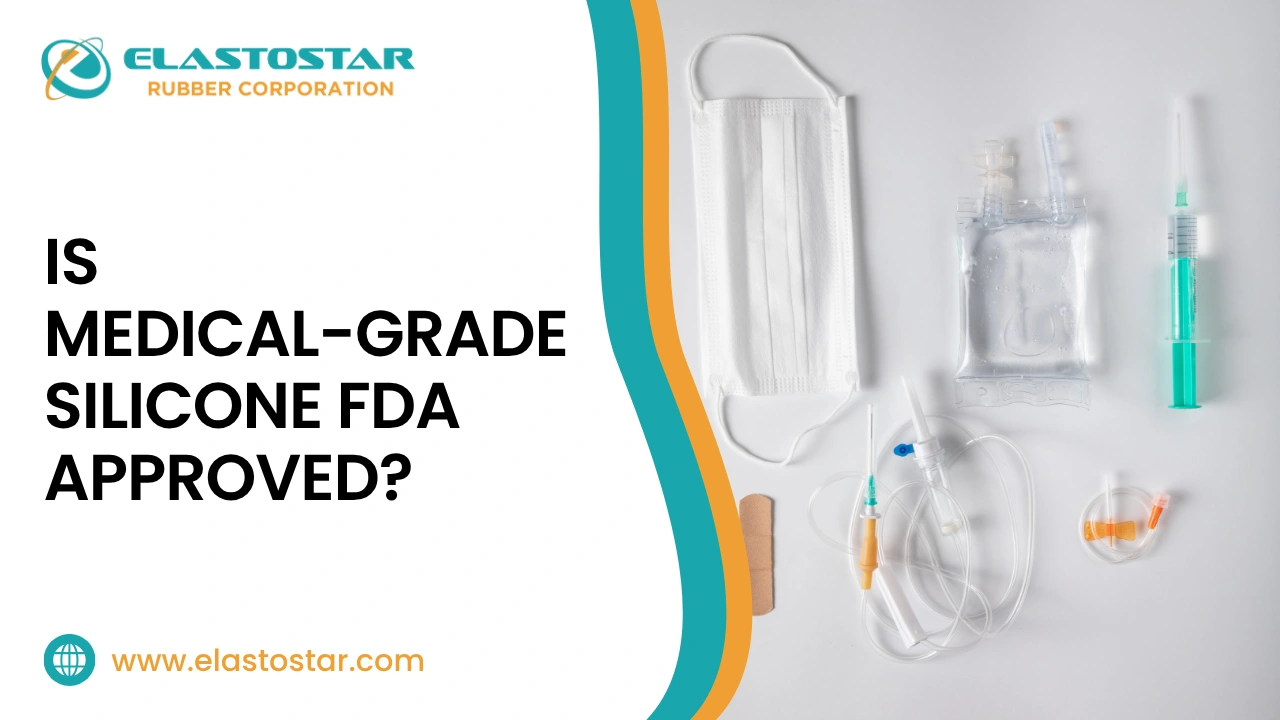
Material safety and regulatory compliance are critical in medical manufacturing. Devices that come into contact with the human body must be made from reliable and safe materials. Medical-grade silicone products are widely used in healthcare for their durability, flexibility, and excellent biocompatibility. In fact, over 50% of implantable medical devices contain silicone, making it a trusted choice.
However, even high-performing materials must meet FDA requirements to be approved for use in medical applications. Without proper compliance, their use can pose safety risks and legal challenges. That’s why working with an experienced rubber product manufacturer that understands FDA standards is so important.
In this blog, we’ll explain medical-grade silicone, what FDA compliance means, and how to choose the right silicone materials for your medical manufacturing needs.
Table of Contents
What Is Medical-Grade Silicone?
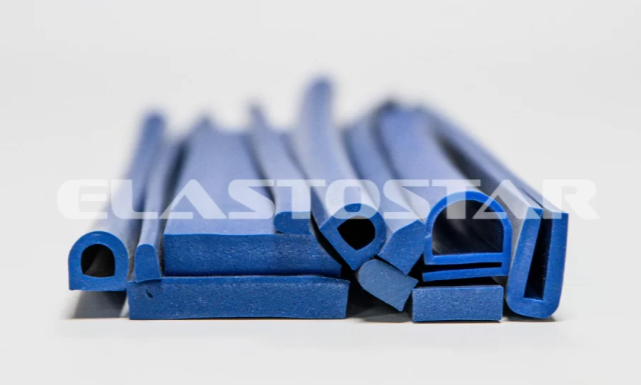
Medical-grade silicone is a high-purity, bio-inert material formulated explicitly for healthcare and pharmaceutical applications. It is valued for its non-toxic, hypoallergenic, and durable properties, safe for contact with human tissue, fluids, and organs. Unlike general or industrial-grade silicone products, medical-grade silicone is subject to stricter standards for cleanliness, consistency, and biocompatibility.
Medical silicone’s key advantage is its ability to maintain integrity under extreme conditions. It resists heat, chemicals, moisture, and microbial growth while remaining flexible and stable across various temperatures. It is also compatible with standard sterilization methods such as autoclaving, gamma radiation, and ethylene oxide (EtO).
Common applications include:
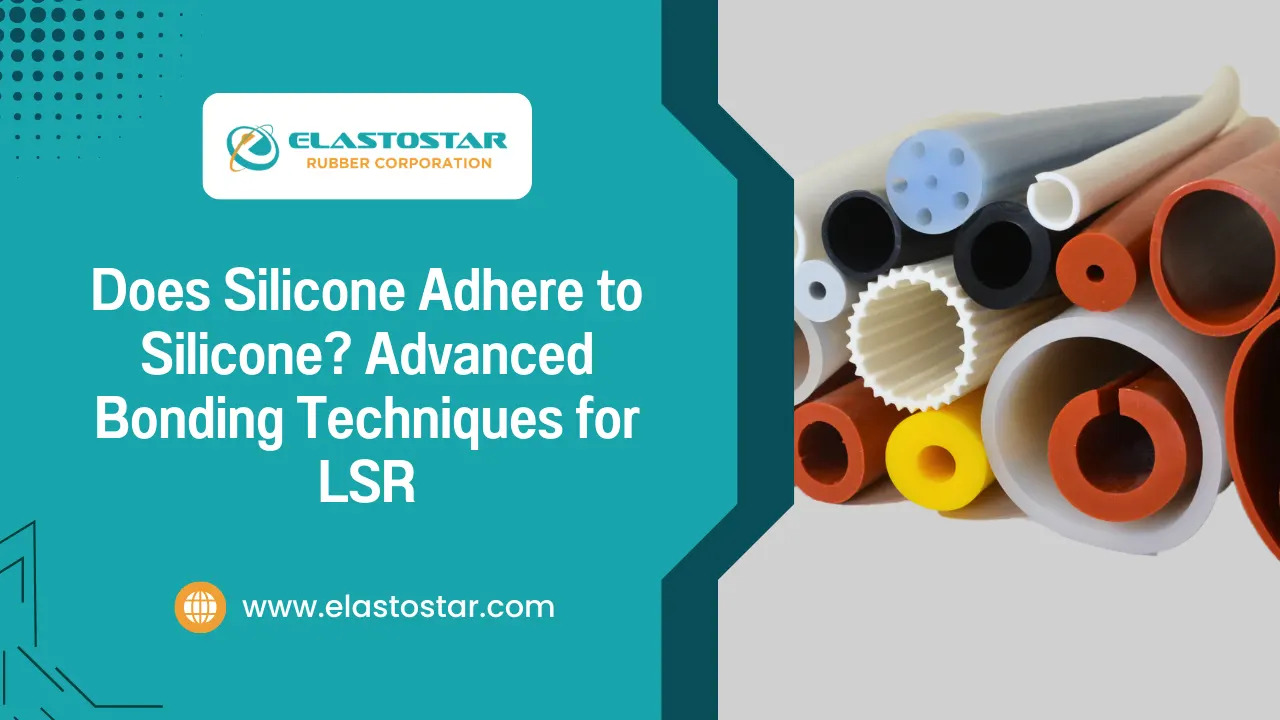
- Medical silicone tubing for IV lines, catheters, and fluid transfer
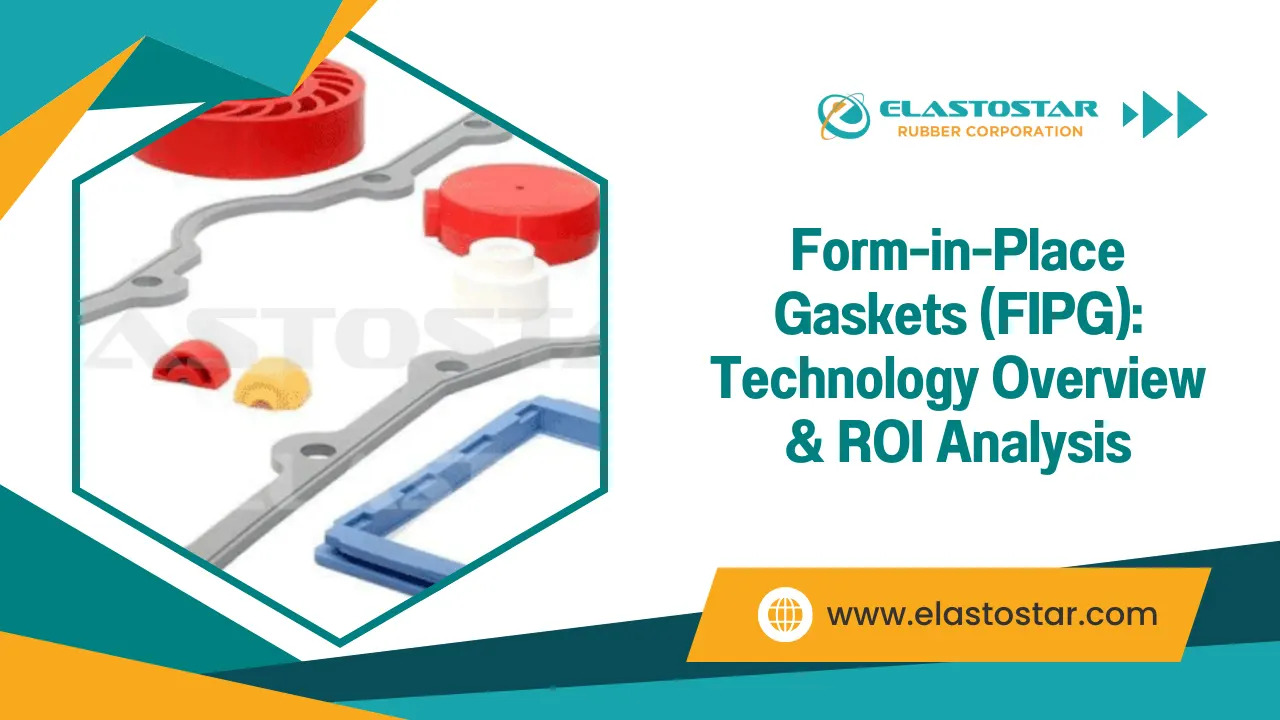
- Medical silicone rubber seals, gaskets, and O-rings in surgical and diagnostic equipment
- Prosthetics and implants, both short-term and long-term
- Drug delivery components and wearable healthcare devices
Its versatility and safety make medical-grade silicone a trusted material in various FDA-regulated medical devices.
Read More– Medical-Grade Silicone: Meaning & Applications
What Does “FDA Approved” Actually Mean for Silicone?
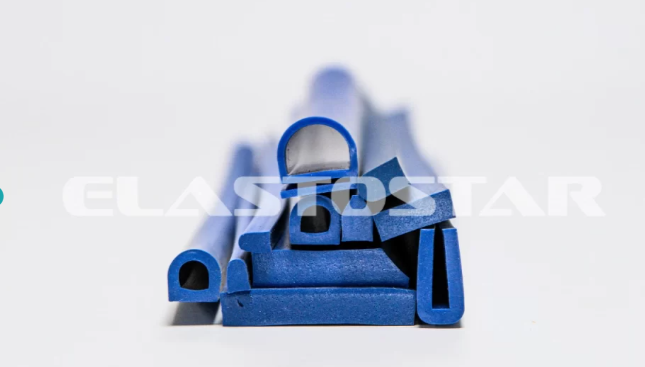
When discussing silicone in medical manufacturing, the terms “FDA approved” and “FDA compliant” are often confused. The FDA does not approve raw materials like silicone on its own. Instead, it approves finished medical devices from materials that meet specific regulatory standards.
FDA-compliant silicone refers to silicone that meets FDA requirements, such as 21 CFR 177.2600, which covers rubber articles used repeatedly in contact with food and medical environments. For silicone to meet this standard, it must pass chemical tests showing that it does not release unsafe substances.
In addition to regulatory compliance, medical-grade silicone typically undergoes biocompatibility testing, including:
- Cytotoxicity – checks if the material damages living cells
- Sensitization – tests for allergic reactions
- Systemic toxicity – confirms it is not harmful when used in the body.
Materials that meet these requirements are safe for medical sealants, gasket silicone rubber, tubing, and other medical components.
Does All Medical-Grade Silicone Require FDA Approval?
Not all medical-grade silicone requires direct FDA approval before it can be used in a medical device. Whether or not approval is needed depends on the intended application and how the U.S. Food and Drug Administration (FDA) classifies the final product.
The FDA categorizes medical devices into three classes:
- Class I – Low-risk devices such as tubing and handheld surgical tools. These typically only require FDA registration and adherence to general manufacturing controls.
- Class II – Moderate-risk devices like respiratory components or diagnostic parts. These require more detailed documentation, performance testing, and in many cases, premarket notification (510(k)).
- Class III – High-risk devices such as implants and life-sustaining systems. These require full Premarket Approval (PMA), including extensive clinical data, safety, and biocompatibility testing.
The silicone must comply with relevant FDA standards even when full FDA approval isn’t required. That’s why manufacturers work with experienced rubber extrusion manufacturers to ensure compliance from the ground up.
At Elastostar Rubber Corporation, we manufacture and supply surgical and FDA silicone rubber materials formulated explicitly for medical applications. Our materials are rigorously tested to meet USP Class VI certification, and we have passed both USP Class VI Section 87 and Section 88 biocompatibility testing. This confirms the silicone’s safety in medical and implantable use.
Material testing, traceability, and regulatory compliance are critical for any silicon medical component, especially when human health is involved.
Read More – Why Medical Industry Preferred Silicone Tubing?
Common Applications of FDA-Compliant Medical Silicone
FDA-compliant silicone plays a vital role in modern healthcare. Its durability, flexibility, and resistance to heat and chemicals make it ideal for various medical and diagnostic uses.
Designed to meet strict biocompatibility and safety standards, it is widely used in both patient-facing and technical equipment across the medical field.
1. Tubing for IV and Drug Delivery Systems
Silicone tubing is commonly used in IV lines, catheters, and drug delivery equipment. Because it is non-reactive and easy to sterilize, medical silicone tubing ensures safe fluid transfer in hospitals and laboratories. These products fall under the broader category of silicone medical devices used for direct patient care.
2. Gaskets in Sterilizers and Diagnostic Equipment
Medical silicone gaskets are critical for sealing autoclaves, sterilizers, diagnostic machines, and testing systems. These components must handle repeated exposure to pressure, moisture, and temperature changes. Materials like rubber U channel and custom rubber seals offer both sealing performance and long-term reliability in regulated environments.
3. Implants and Prosthetics
Silicone is also widely used in implants and prosthetic devices due to its softness, strength, and compatibility with human tissue. Whether used in orthopedic supports or reconstructive procedures, its flexibility and resilience make it a preferred choice for long-term use inside the body.
4. Specialized Medical Components
In addition to standard parts, healthcare devices often require custom silicone rings, stoppers, and molded parts for specific functionality. These components are designed to fit unique configurations and meet performance requirements without compromising safety or regulatory compliance.
From surgical devices to diagnostic systems, FDA-compliant medical silicone supports many critical applications that demand precision and trust.
Benefits of Using FDA-Compliant Silicone Over Non-Compliant Alternatives
Choosing FDA-compliant silicone over unverified alternatives offers significant advantages, especially in medical and food-grade applications where safety and reliability are critical. Materials like silicone medical tubing that meet FDA standards are formulated to avoid leaching, handle sterilization, and maintain their performance under continuous use.
FDA-compliant silicone also provides regulatory assurance for OEMs and device manufacturers. It simplifies documentation, reduces liability, and ensures smoother inspections and product approvals. Using non-compliant materials, on the other hand, can lead to costly recalls, delays, and reputational damage.
In demanding environments, whether high-temperature autoclaves or sensitive biological systems, FDA-grade silicone remains chemically stable, flexible, and durable. Components such as medical-grade silicone gaskets are designed to perform reliably over time without degrading or reacting with surrounding materials.
In short, FDA-compliant silicone is safer and delivers long-term performance and peace of mind for manufacturers and end users.
What to Look for When Choosing FDA-Approved Silicone Products?
When selecting silicone components for medical applications, it’s crucial to consider the following factors:
- Third-Party Certification
Ensure the silicone material has certifications like USP Class VI and ISO 10993, indicating it has passed rigorous biocompatibility and safety tests suitable for medical use. - Material Data Sheets (MDS)
Review the MDS to verify details about the silicone’s chemical composition, curing process, temperature range, and compliance with FDA regulations. - Curing Method: Platinum-Cured vs. Peroxide-Cured
Opt for platinum-cured silicone for medical applications due to its higher purity and lower extractability than peroxide-cured alternatives. - Precision Fabrication Techniques
Consider components produced using die-cutting gasket techniques for applications requiring exact dimensions and consistent quality. This method ensures high precision and repeatability, essential for medical-grade products.
Additionally, for specific application needs, consider products like custom gaskets and rubber silicone seals, which can be manufactured to meet precise medical device requirements.
Why Choose Elastostar Rubber Corporation for FDA-Compliant Silicone Components?
Elastostar Rubber Corporation manufactures FDA-compliant silicone components for food processing, pharmaceuticals, and window and door systems. Our products meet strict safety and quality standards.
We offer X-ray and metal detectable silicone parts for the food industry equipments to help prevent contamination. If broken, these components are easy to spot, protecting product quality and meeting safety regulations.
Our silicone products meet high purity standards in pharmaceuticals. We also provide durable seals and gaskets for windows and doors, improving insulation and durability.
Our services include reverse engineering, prototyping, and full production. With fast lead times and dependable quality, we help you move from concept to final product on time and with confidence.
Contact Us To learn more about our FDA-compliant silicone solutions or to discuss your specific needs.
Recommended Reads
- FDA-Approved vs. FDA-Compliant: Here’s What Sets Them Apart
- Top Advantages of Platinum Cured Silicone Tubing
- How Is Silicone Rubber Used in the Medical & Pharmaceutical Industry?

Conclusion
At Elastostar Rubber Corporation, we understand that not all silicone materials meet FDA standards. It’s important to select materials that comply with safety and performance requirements for critical applications. We offer custom silicone products suitable for various industries, including high-temperature components. As experienced custom seal manufacturers, we provide solutions customised to specific needs.
Our products are tested to meet USP Class VI and USP Class VI Sections 88 & 87 standards, confirming their biocompatibility and safety for medical and food applications. By choosing us as your certified supplier, you can rely on the quality and safety of our silicone components for your applications.
FAQs
1. Is all medical-grade silicone FDA approved?
No, not all medical-grade silicone is FDA approved. While medical-grade silicone is designed for healthcare applications, FDA approval depends on specific testing and compliance with regulatory standards. Manufacturers must ensure their products meet FDA requirements for safety and effectiveness.
2. What is the difference between FDA-compliant and FDA-approved silicone?
“FDA compliant” means the silicone material meets FDA regulations for safety in specific applications, such as food contact. “FDA approved” indicates that the FDA has formally reviewed and approved the product for a particular use, often through a rigorous evaluation process. Compliance refers to meeting standards; approval involves official endorsement.
3. What does FDA 21 CFR 177.2600 mean in silicone manufacturing?
4. Can regular silicone be used in medical devices?
Regular silicone is not suitable for medical devices. These applications require materials that are specifically tested and approved for biocompatibility and safety. Using non-medical-grade silicone can pose serious health risks and does not meet regulatory standards.If you’re unsure whether a material is appropriate for your application, contact us to get expert guidance on selecting the right FDA-compliant silicone.
5. Is platinum-cured silicone FDA-approved?
Due to its purity and stability, platinum-cured silicone is often used in medical and food-grade applications. While the material itself can meet FDA requirements, approval depends on the specific product and its intended use. Manufacturers must ensure their platinum-cured silicone products comply with all relevant FDA regulations.
6. Are silicone tubes and gaskets safe for food and drug contact?
Yes, silicone tubes and gaskets can be safe for food and drug contact if made from FDA-compliant materials. These products must meet specific standards to ensure they do not leach harmful substances and are suitable for repeated use in such applications.