The future of manufacturing is becoming smarter, and smart silicone components are leading this transformation. With the rise of IoT-enabled silicone, factories can now track performance, predict maintenance, and improve product quality in real time.
Known for its flexibility, heat resistance, and strength, silicone for smart manufacturing is evolving into an intelligent silicone material that connects machines with data.
At Elastostar Rubber Corporation, a USA rubber manufacturer, innovation meets precision as we create advanced IoT-ready silicone solutions for modern industries.
In this blog, we will explore how smart silicone is reshaping manufacturing through data, design, and intelligent connectivity.
Key Takeaways
- Smart silicone components enable real-time data tracking in modern manufacturing.
- IoT-enabled silicone improves safety, reliability, and predictive maintenance.
- Silicone is ideal for IoT integration due to its flexibility, heat resistance, and durability.
- Smart silicone supports industries like automotive, aerospace, medical, and industrial manufacturing.
- Elastostar develops advanced IoT-ready silicone as a leading USA rubber product manufacturer.
Table of Contents
The Rise of Smart Manufacturing and Connected Materials
Manufacturing today is entering a connected era driven by data and automation. Smart manufacturing, powered by the Internet of Things (IoT), allows machines and materials to communicate in real time, improving efficiency and reliability across industries.
In this process, IoT in silicone manufacturing is playing a major role. By embedding IoT sensors into silicone components, factories can monitor temperature, pressure, and vibration with precision. This data helps predict maintenance needs and prevent equipment failures before they happen.
Products such as smart silicone seals and silicone rubber tubing are now being developed to support automated systems and real-time monitoring, helping industries move toward safer and more efficient production environments.
What is Smart Silicone and How Does It Work?
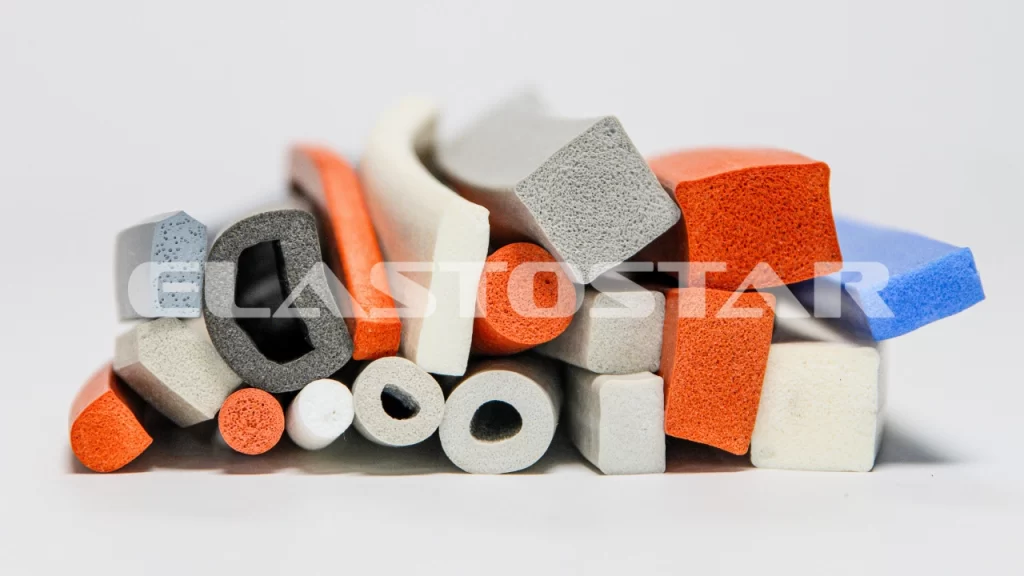
Smart silicone is the next step in material innovation, combining the flexibility of silicone with the intelligence of IoT technology. By integrating sensors, conductive fillers, or tiny electronic chips into silicone parts, manufacturers can gather data directly from within their systems.
This gives silicone components the ability to detect, react, and communicate for modern, connected manufacturing setups.
How Smart Silicone Works?
- Embedded IoT sensors record data like pressure, temperature, and vibration during operation.
- Conductive fillers allow electrically conductive silicone signals to pass safely through silicone surfaces.
- Wireless connectivity enables information to be transmitted to control systems for real-time monitoring.
- Predictive insights reduce maintenance time and unexpected downtime in factories.
In short, IoT-enabled silicone turns passive components into active parts of an intelligent network, improving reliability, safety, and production efficiency.
Why Silicone Is the Ideal Material for IoT Integration?
Custom Silicone has long been trusted in industrial applications for its flexibility, chemical stability, and resistance to extreme conditions. These same qualities make it the perfect base for IoT integration.
It can safely hold sensors, chips, and conductive materials without losing strength or performance, even in harsh manufacturing environments.
Because silicone is naturally insulating and heat-resistant, it protects sensitive electronic components while maintaining long-term reliability. Its elasticity also allows it to bend and move without damaging embedded sensors, a major advantage in flexible or high-vibration systems.
Key Reasons Silicone Excels in IoT Integration
- High flexibility: Supports sensor embedding in moving components and robotic systems.
- Thermal resistance: Performs reliably in high-heat and cold environments.
- Electrical insulation: Safeguards smart sensors and circuits from power surges.
- Chemical stability: Remains unaffected by oils, fuels, and industrial fluids.
- Durability: Maintains performance over long production cycles.
These properties make conductive silicone and high-performance silicone essential materials for the future of IoT-enabled manufacturing and sensor-based automation.
What are the Benefits of IoT-Enabled Silicone in Manufacturing
Integrating IoT technology into silicone components is helping industries make production smarter and more reliable. By combining durability with data intelligence, IoT-enabled silicone brings both performance and insight to every stage of manufacturing.
With built-in sensors and smart connectivity, factories can now monitor real-time data on pressure, temperature, and equipment usage. This improves product consistency and supports predictive decision-making, saving time and costs.
| Benefit | Impact on Manufacturing |
| Predictive maintenance | Detects early signs of wear or faults to prevent downtime. |
| Real-time analytics | Tracks temperature, vibration, and pressure for instant feedback. |
| Improved safety | Alerts operators during overheating or abnormal conditions. |
| Energy efficiency | Reduces waste through smart process control. |
| Longer equipment life | Extends machine lifespan by maintaining stable conditions. |
All smart silicone components undergo strict inspection and performance testing to ensure reliability. You can learn more about these standards on the Quality Control page, which details testing procedures and precision checks used for advanced manufacturing materials.
By enabling smarter, connected operations, IoT silicone for industry supports the growth of industrial IoT and smart factory components, driving safer and more sustainable production.
What are the Applications of Smart Silicone Across Industries?
Smart silicone components are being used across several industries where precision, performance, and safety are critical. With IoT-enabled silicone, these materials can now collect and share real-time data to improve production control and reliability.
Key Applications of Smart Silicone
1. Automotive

Smart silicone seals and gaskets detect pressure changes, temperature shifts, and leaks to prevent system failures.
2. Aerospace

Heat-monitoring silicone gaskets and hoses provide stability under extreme temperatures and vibration, improving safety and efficiency.
3. Medical Equipment
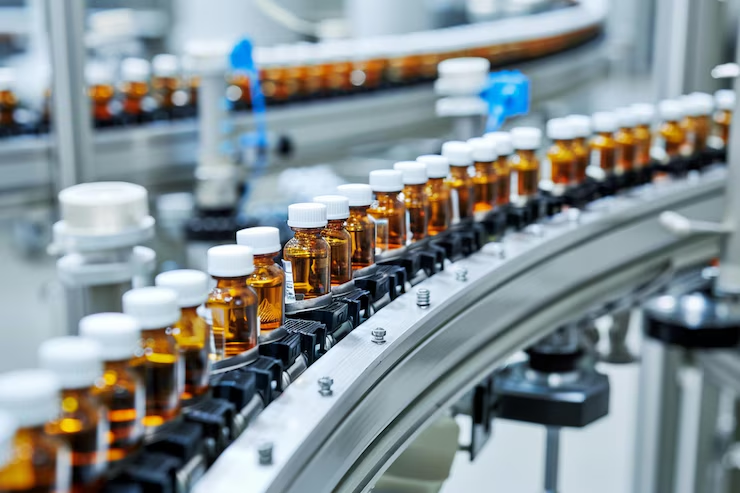
IoT-linked silicone tubing and wearable devices track sterilization cycles, fluid movement, and patient conditions for accurate monitoring.
4. Industrial Manufacturing
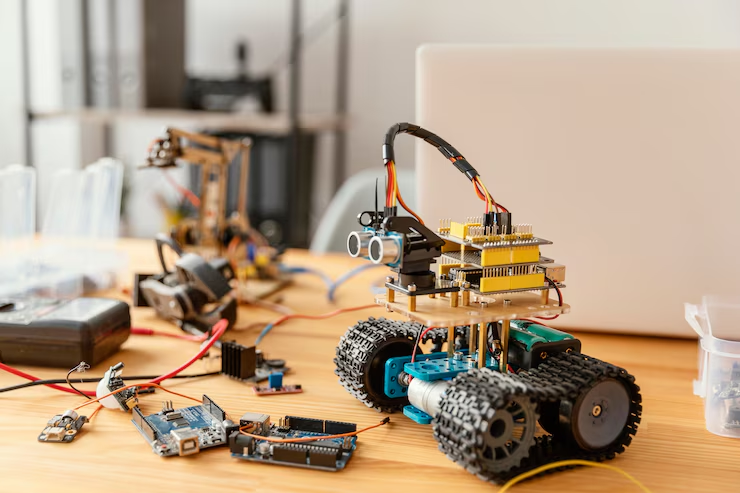
Smart silicone hoses and sealing profiles record wear, pressure, and chemical exposure, enabling predictive maintenance and safer operations.
Across all these fields, silicone for smart manufacturing combines flexibility, durability, and intelligent functionality to create connected, efficient, and data-driven systems. To explore advanced industrial materials, visit the Brochures page.
Future of Manufacturing: The Role of Smart Silicone Components
The future of manufacturing is built on intelligence, automation, and sustainability, and smart silicone components are leading this change. As industries move toward IoT-enabled silicone, materials are evolving from passive parts into active systems that collect and share real-time data.
In the years ahead, next-gen silicone for manufacturing will feature built-in sensors, wireless communication, and adaptive responses that help factories operate efficiently and safely.
Products like sensor-compatible silicone profiles and sealing systems are being developed to support these innovations. They help create connected environments where materials monitor performance, reduce energy waste, and automatically predict maintenance needs.
Digital silicone and other advanced manufacturing materials will continue to drive sustainable production by improving efficiency, extending product life, and reducing overall system costs.
Elastostar Rubber Corporation Commitment to Smart Silicone Innovation
As the world moves toward intelligent and automated production, Elastostar Rubber Corporation continues to innovate in smart silicone components. With expertise in precision engineering, the company develops IoT-ready silicone materials that meet global standards for safety, performance, and consistency.
Our range includes custom silicone profiles, tubing, and rubber gaskets that can be adapted for sensor integration and smart manufacturing applications. Every product is made under USP, FDA, and ISO-certified processes, ensuring long-term reliability in demanding environments.
As a USA-based manufacturer of rubber and silicone products, we combine materials science with technology to deliver high-quality solutions for connected industries.
Recommended Reads
- Emerging Trends in Silicone Rubber Manufacturing in 2025
- Silicone Rubber Frequently Asked Questions
- Comprehensive Rubber Solutions in the Aviation Industry

Conclusion
Smart manufacturing is advancing rapidly with IoT-enabled silicone at its core. These intelligent materials bring together durability, precision, and data connectivity to make production systems faster and more efficient. From pressure-monitoring seals to heat-sensing gaskets, smart silicone components are transforming how industries track performance and improve safety.
Elastostar Rubber Corporation is driving this innovation with high-quality, IoT-ready materials built for the next generation of connected factories. To explore custom solutions for your operations, visit the Contact Us page.
FAQs
1. What is smart silicone, and how is it used in manufacturing?
Smart silicone combines the strength and flexibility of traditional silicone with modern IoT technology. It is used in manufacturing to monitor heat, pressure, and machine motion. This helps detect faults early, reduce downtime, and maintain consistent production quality.
2. How does IoT-enabled silicone improve manufacturing efficiency?
IoT-enabled silicone improves manufacturing efficiency by providing real-time data from machines and equipment. It tracks performance, predicts maintenance needs, and helps prevent unexpected breakdowns, allowing production to run smoothly and efficiently.
3. Where is smart silicone used in manufacturing processes?
Smart silicone is used across various industries such as automotive, aerospace, medical, and industrial manufacturing. It helps detect leaks and temperature changes, monitors sterilization and fluid movement, and supports automated systems for safer and more accurate operations.
4. What are the main benefits of IoT silicone in production?
The main benefits of IoT silicone in production include real-time monitoring, better process control, and reduced energy use. It also helps reduce maintenance costs, improve workplace safety, and extend the lifespan of machines and equipment.
5. What makes silicone ideal for smart manufacturing?
Silicone is ideal for smart manufacturing because it is flexible, durable, and heat- and chemical-resistant. It can safely hold sensors and electronic components for automated systems and connected manufacturing processes.
6. What is the future of IoT-enabled silicone in manufacturing?
The future of IoT-enabled silicone is focused on creating smarter, more connected factories. As technology advances, silicone components will continue to play a vital role in automation, sustainability, and improving overall manufacturing precision.