The lifespan of O-rings is crucial in every industry. A small seal can determine whether machines run smoothly or stop due to leaks and damage. But O-rings do not last the same in every condition. Heat, chemicals, fuels, and pressure can alter their lifespan. That is why it is essential to understand the differences between materials.
In this blog, we will examine the lifespan of fluorosilicone O-rings in comparison to that of silicone and Viton. We will also examine where each type works best, so you can select the right seal for your specific needs.
Key Takeaways
- Silicone O-rings last 5–10 years in moderate environments but fail faster in fuels and oils.
- The lifespan of Fluorosilicone O-rings is 10–15 years in fuel, oil, and solvent exposure, making them more durable than silicone.
- Viton O-rings can last 15–20 years or more in extreme heat and aggressive chemicals, offering the longest service life.
- Temperature, chemical contact, and pressure cycles are the main factors that reduce O-ring lifespan.
- The automotive and aerospace industries rely heavily on fluorosilicone for fuel systems due to its exceptional durability.
- Made in the USA fluorosilicone O-rings provide higher quality, consistency, and trusted performance.
Table of Contents
Choosing the Right O-Ring Material for Your Application
Every sealing material has its strengths and limits, and knowing them helps in selecting the right O-ring for long-term use.
1. Silicone O-Rings
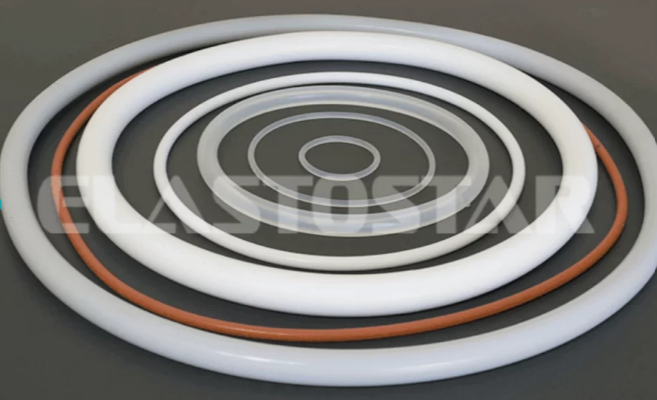
Vulcanized silicone O-rings are widely used for general applications. They perform well in both very low and high temperatures, staying flexible in the cold and resisting heat up to about 230°C.
They also resist sunlight, ozone, and weathering, which makes them suitable for outdoor and medical use. However, their durability in fuels, oils, and harsh chemicals is limited, making them unsuitable for aggressive environments.
2. Fluorosilicone O-Rings
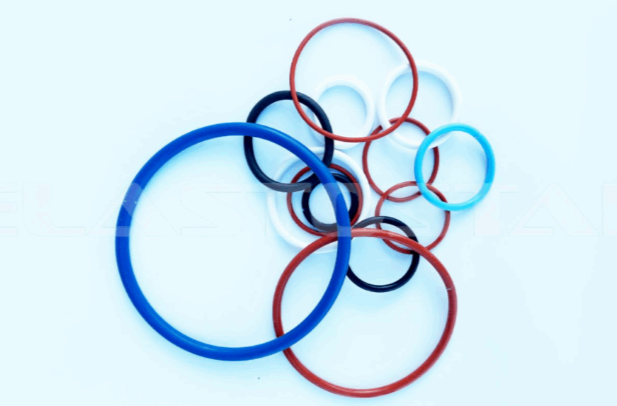
Hollow O-rings combine the wide temperature range of silicone with stronger resistance to fuels, oils, and solvents. This balance makes them a preferred choice in automotive fuel systems, aerospace engines, and defense equipment.
The durability of fluorosilicone O-rings is higher than that of standard silicone when exposed to fuels, resulting in a longer service life in demanding conditions.
3. Viton O-Rings
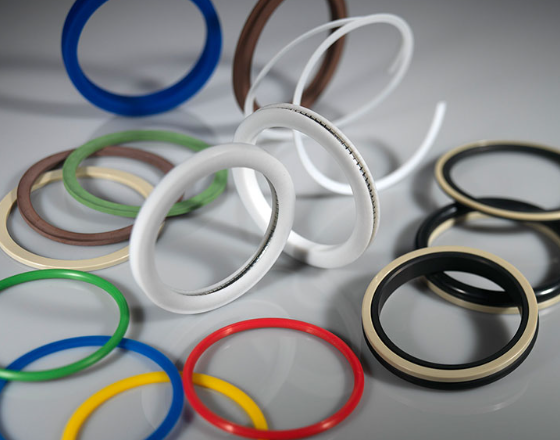
Viton O-rings (FKM) are recognized for their excellent chemical and high-temperature resistance. They can withstand continuous use at temperatures of up to 250°C and handle aggressive fluids, such as fuels, oils, and many solvents. They are commonly found in the aerospace, oil and gas, and heavy industrial sectors.
When engineers compare fluorosilicone vs Viton O-rings, Viton usually performs better in extreme heat and harsh chemicals, while fluorosilicone offers better low-temperature flexibility with reliable fuel resistance.
Average Lifespan Comparison of O-Ring Materials
The lifespan of an O-ring depends on both its material and the conditions it encounters.
Below is a clear look at their typical service life.
- Silicone O-Rings: Typically last 5–10 years in moderate conditions, but wear out more quickly when exposed to fuels or oils.
- Fluorosilicone O-Rings: Often last 10–15 years in contact with fuels, oils, and solvents, showing higher durability than silicone.
- Viton O-Rings: Can last 15–20 years or more in extreme heat and aggressive chemicals, making them the longest-lasting option
| Material | Typical Service Life | Temp Range (°C) | Best Working Conditions |
| Silicone | 5–10 years | –60 to +230 | Moderate temp, ozone, clean air |
| Fluorosilicone | 10–15 years | –60 to +200 | Fuels, oils, harsh chemicals |
| Viton (FKM) | 15–20+ years | –20 to +250 | Extreme heat, strong chemicals |
This comparison clearly illustrates the lifespan of fluorosilicone O-rings versus silicone and Viton, helping buyers choose the right seal for their specific application.
What are the Factors That Affect O-Ring Lifespan?
Even the best O-ring material can fail early if the environment is too harsh. Here are the primary factors that determine the lifespan of a seal.
1. Temperature Extremes
Very high or very low temperatures shorten service life. For example, the life expectancy of high-temperature fluorosilicone O-rings can drop if used beyond their rated limit. Heat accelerates hardening and compression set, while extreme cold can cause cracking.
2. Chemical Exposure
Fuels, oils, and solvents are among the biggest threats to O-rings. Silicone often swells or weakens in these conditions, while chemical-resistant fluorosilicone O-rings’ durability is much higher. Viton also performs well in aggressive fluids, especially at high temperatures.
3. Pressure Cycles
Frequent pressure changes or high system loads stress the O-ring. Over time, this leads to extrusion, wear, or loss of sealing force. Materials with higher strength, like Viton, generally last longer in such dynamic environments.
4. Maintenance and Replacement Schedules
Even durable O-rings have a service life. Regular inspection and planned replacement prevent sudden failures. Choosing the right replacement interval, based on the material and environment, can help save downtime and costs.
Read More: Square Gaskets vs Round Gaskets Under High Pressure
5 Industry Examples of O-Ring Lifespan
Real-world use cases demonstrate how each material lasts longer and why.
1) Automotive
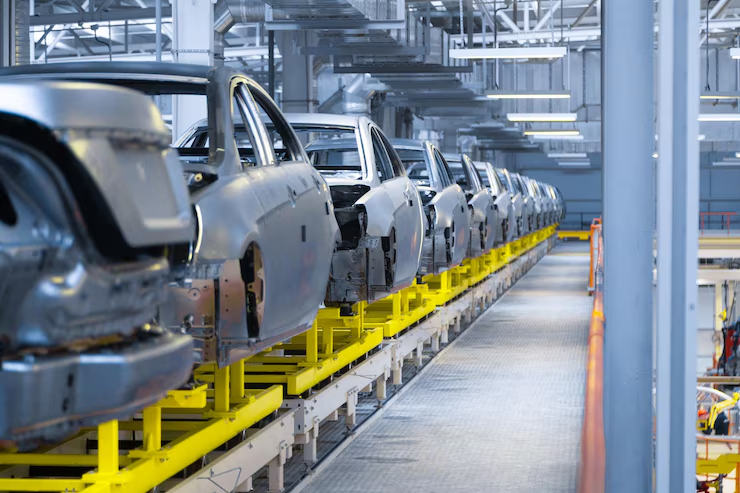
Fuel rails, injectors, vapor lines. Silicone swells in fuel. Fluorosilicone resists gasoline and diesel, so the lifespan of automotive fluorosilicone O-rings is longer in these parts.
2) Aerospace
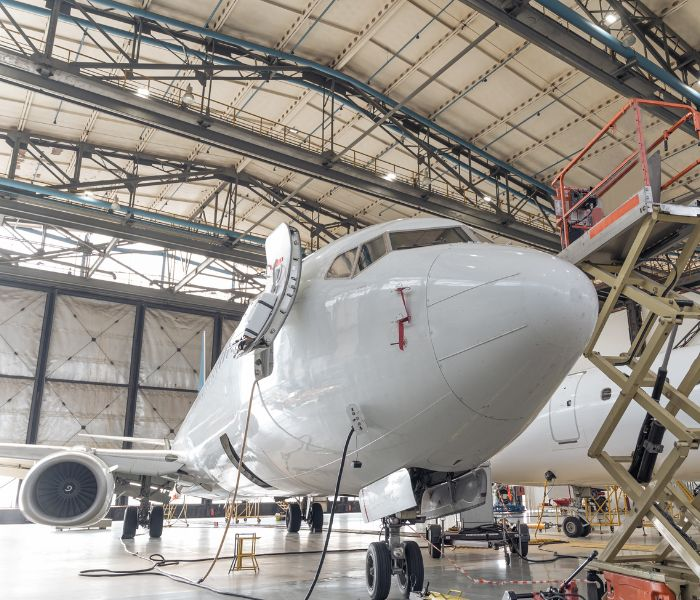
Fuel systems, engine accessories, quick-disconnects. Fluorosilicone handles fuels and cold-soak at altitude. Viton endures higher continuous heat. Engineers pick based on duty cycle and fluid. Proven aerospace fluorosilicone O-rings durability in jet-fuel exposure.
3) Oil & Gas / Industrial Fluid Handling
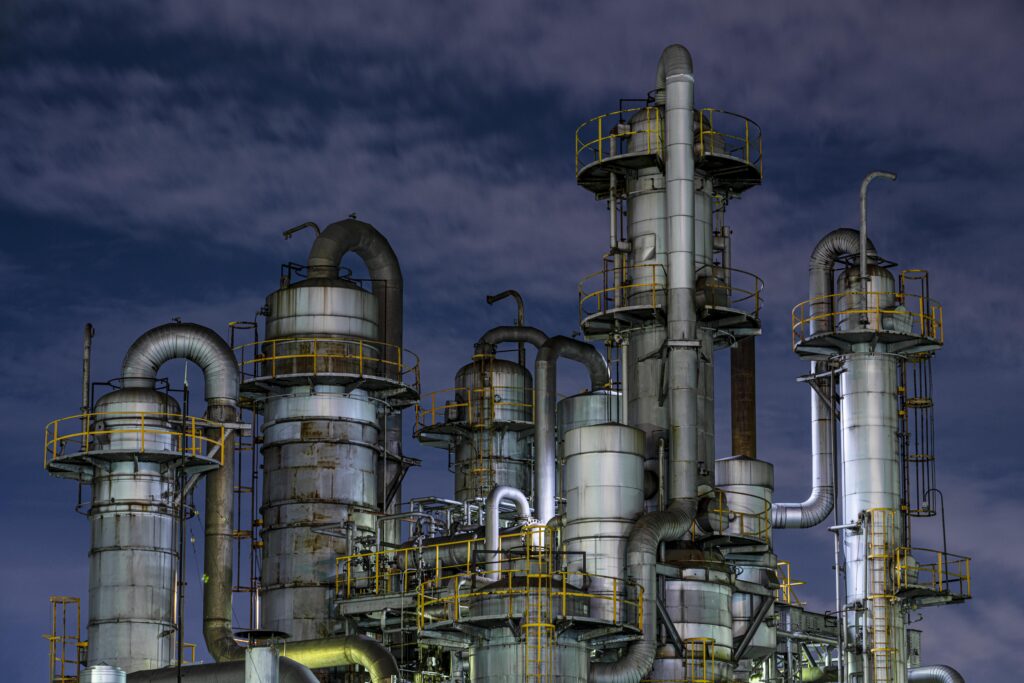
Pumps, valves, meters. Strong solvents and high temperatures shorten life fast. Viton gives the longest service life here. Fluorosilicone is used where fuel contact and low-temperature starts are common.
Read More: Preventing Pipeline Failures with High-Performance Silicone O-Rings
4) Medical Devices

Clean, temperature-stable environments. Silicone is common for biocompatibility and flexibility. If parts see solvent cleaning, fluorosilicone lasts longer than silicone.
5) Electronics Manufacturing
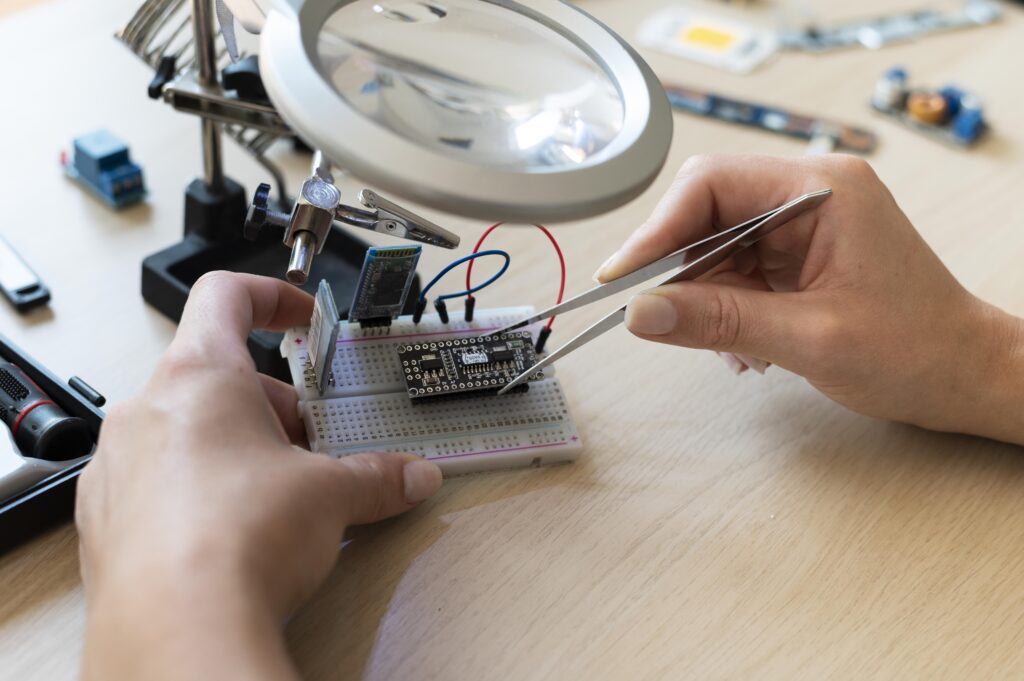
Dispense heads, wash stations, solvents. Fluorosilicone outlasts silicone against cleaning agents while keeping good low-temperature flexibility. For very hot processes with aggressive chemicals, Viton is preferred.
Industry and O-Ring Choice
| Industry | Best O-Ring Choice | Reason for Selection | Durability Ranking |
| Automotive | Fluorosilicone | Long life in fuel rails, injectors, vapor lines | High |
| Aerospace | Fluorosilicone / Viton | Handles jet fuel, altitude cold-soak, extreme temps | High |
| Oil & Gas | Viton / Fluorosilicone | Resistant to aggressive fluids and high heat | Very High |
| Medical | Silicone / Fluorosilicone | Clean, safe, lasts longer with solvents | Medium |
| Electronics | Fluorosilicone / Viton | Chemical resistance and durability in solvents | High |
Why Made in USA Fluorosilicone O-Rings Last Longer?
When reliability is critical, many companies prefer seals made in the USA. Stronger standards, better materials, and advanced testing make a clear difference in how long they last.
1 . Stricter Quality Standards
U.S. manufacturers operate under stricter regulations, which means every O-ring is rigorously tested for consistency. At Elastostar, quality control is built into every stage of production. Our fluorosilicone O-rings are ISO 9001:2015 certified and tested to pass USP Class VI and USP Class VI Section 87 & 88 standards for safety and performance.
2 . Better Materials and Sourcing
Made in the USA products use higher-grade raw materials compared to many imports. This extends the lifespan of fluorosilicone O-rings and helps prevent early failure in fuels, oils, and chemical environments.
3. Custom Manufacturing in a Modern Facility
Elastostar runs a large, well-equipped facility in Plain City, Ohio. With in-house tooling, extrusion, and molding, we deliver custom fluorosilicone O-rings that match exact OEM requirements while maintaining durability over years of use.
4. Consistent OEM Performance
The automotive, aerospace, and medical industries demand seals that withstand rigorous OEM testing. Elastostar’s USA-based fluorosilicone and Viton O-rings are trusted because they consistently deliver the same reliable performance, batch after batch.
Elastostar Rubber Corporation – Certified Quality, Custom Solutions, Fast Delivery
At Elastostar, we take pride in being a trusted fluorosilicone O-rings manufacturer with the ability to deliver both standard and custom solutions. We are ISO 9001:2015 certified, which means our processes meet strict global quality standards and guarantee consistency in every batch.
We specialize in custom-molded rubber and extruded fluorosilicone O-rings in the USA, supported by reverse engineering, design assistance, and full prototype-to-production runs. With our large U.S.-based facility, we ensure some of the shortest lead times in the industry without compromising durability.
Our expertise spans the automotive, aerospace, medical, and industrial sectors, where reliability is paramount. When you choose Elastostar Rubber Corporation, you partner with a team committed to performance, innovation, and long-lasting sealing solutions.
Recommended Reads
- How Fluorosilicone O-Rings Handle Aggressive Fuels and Solvents
- Viton vs Silicone Rubber: What Is the Best Choice for Your Business?
- Platinum vs Peroxide vs Viton O-Rings
Conclusion
Choosing the right O-ring material is about balancing durability with the demands of each application. Silicone performs well in clean and moderate environments, but it struggles with fuels and oils. Fluorosilicone lasts significantly longer in harsh chemical conditions, making it a more reliable choice for automotive, aerospace, and other critical applications.
In many cases, its performance is comparable to, or even better than, Viton when low-temperature flexibility and fuel resistance are needed. For reliable, U.S.-made seals, contact Elastostar Rubber Corporation today. We provide durable, custom fluorosilicone O-rings manufactured to meet the highest quality standards.
FAQs
Q1. How long do fluorosilicone O-rings typically last?
Fluorosilicone O-rings usually last between 10–15 years in contact with fuels, oils, and solvents. This makes them more reliable than silicone O-rings, which wear out more quickly under the same conditions.
Q2. Are fluorosilicone O-rings more durable than silicone O-rings?
Yes. Fluorosilicone O-rings are more durable than silicone when exposed to fuels, oils, and chemicals. Their stronger resistance makes them suitable for automotive and aerospace use, where silicone often fails early.
Q3. How do fluorosilicone O-rings compare to Viton in terms of lifespan?
Viton O-rings generally last longer in extreme high temperatures and harsh chemicals. However, fluorosilicone performs better in extremely low temperatures while still effectively resisting fuel and oil.
Q4. What factors reduce the lifespan of fluorosilicone O-rings?
High temperatures, exposure to aggressive chemicals, and frequent pressure cycles can significantly shorten the lifespan. Proper maintenance and timely replacement help extend durability.
Q5. Which industries see the longest use of fluorosilicone O-rings?
Industries such as automotive, aerospace, and defense rely heavily on fluorosilicone O-rings because they resist fuels and oils better than silicone.
Q6. Do fluorosilicone O-rings resist fuels and oils better than silicone?
Yes, fluorosilicone provides excellent resistance to fuels, oils, and solvents. Silicone, by comparison, tends to swell and lose sealing ability in these environments.
Q7. Is Viton always better than fluorosilicone for high-temperature environments?
Not always. Viton performs better above 200°C, but fluorosilicone is preferred when both low-temperature flexibility and fuel resistance are required.
Q8. Can I use fluorosilicone O-rings in medical or electronic applications?
Yes. Fluorosilicone is suitable for medical and electronic applications where seals are exposed to solvents or cleaning agents.
Q9. Are made in the USA fluorosilicone O-rings longer-lasting than imports?
Yes, made-in-USA fluorosilicone O-rings typically last longer because they are produced with strict quality control, better raw materials, and tested for consistent performance.
Q10. Why should I choose Elastostar Rubber Corporation for fluorosilicone O-rings?
We are an ISO 9001:2015 certified manufacturer of fluorosilicone O-rings in the USA. We provide custom solutions, shortest lead times, and proven durability. Contact us for dependable fluorosilicone O-rings manufactured in the USA.