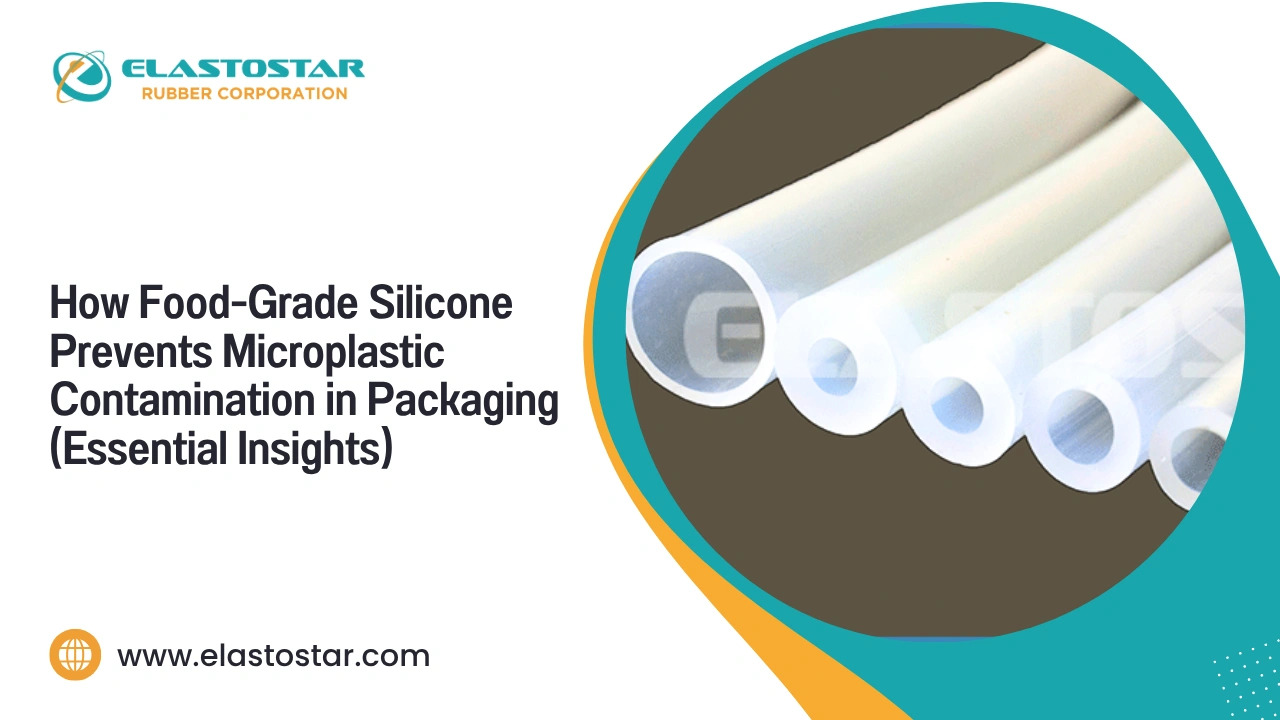
Microplastics are becoming a growing global concern, especially in packaged food. When tiny particles break off from packaging materials or sealing components, they can enter the food we eat, posing risks to human health and brand reputation.
With more consumers and regulatory bodies demanding safer packaging choices, manufacturers are moving away from materials that shed or degrade during handling. Food-grade silicone has emerged as a trusted solution thanks to its stability, durability, and clean performance in food-contact environments.
In this blog, we explore how silicone helps prevent microplastic contamination and supports a safer, more sustainable approach to packaging.
Key Takeaways
- Silicone prevents microplastic contamination by maintaining a stable, non-shedding structure during sealing and handling.
- Food-grade silicone is non-toxic and reusable, making it a safer and more sustainable option than traditional plastics.
- Performs reliably in heat, cold, and pressure, ensuring consistent sealing in food packaging systems.
- Supports FDA and global food-contact safety standards, helping brands stay compliant and audit-ready.
- Reduces packaging waste and maintenance needs, extending the lifespan of equipment and components.
- Elastostar provides U.S.-made, certified silicone parts engineered for clean, durable, and compliant food packaging solutions.
Table of Contents
Understanding Microplastic Contamination
Microplastic contamination occurs when tiny fragments from food packaging materials break off and enter the product during processing, transport, or storage. These particles are invisible to the eye but can affect food quality and safety. Plastics shed from packaging lines due to friction, sealing pressure, heat, and movement.
Choosing sustainable packaging solutions is key to microplastic prevention, especially for brands focused on product purity and consumer trust.
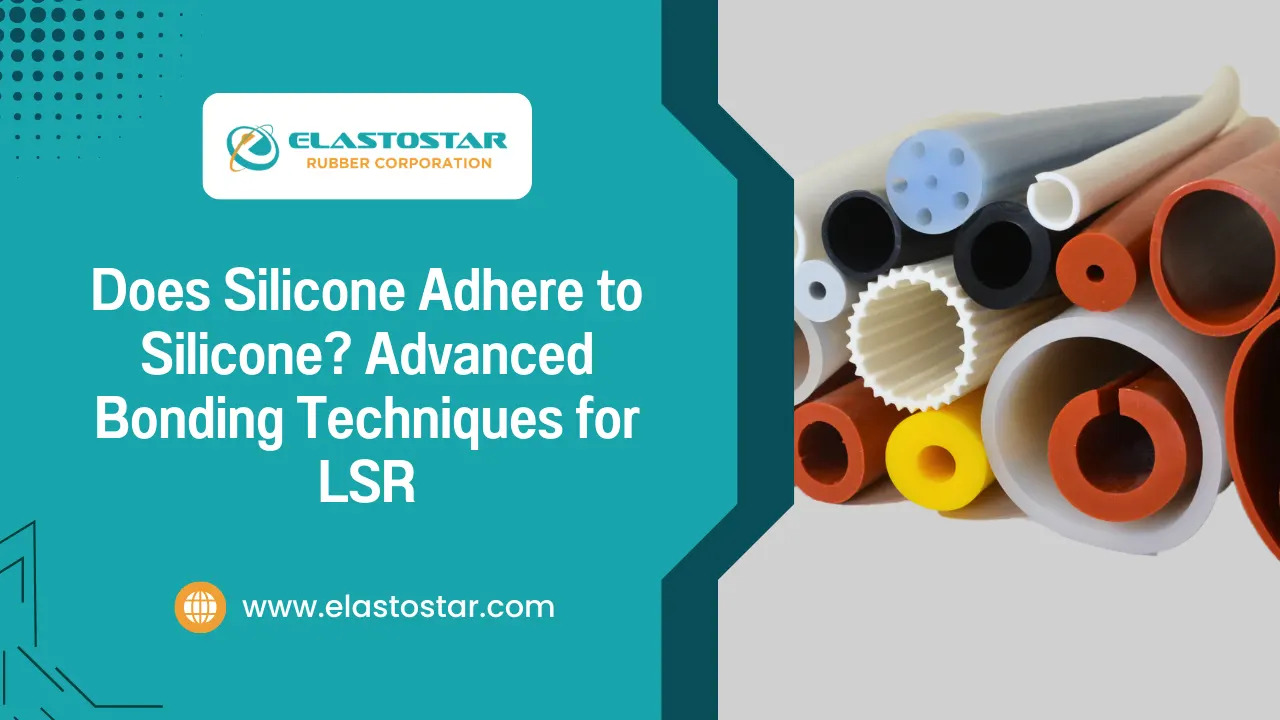
Food-grade silicone offers a non-shedding alternative that keeps packaged products clean. Elastostar supports this safety with engineered silicone extruded profiles that maintain sealing performance without releasing particles into food.
Also Read–Top Applications of FDA Silicone Rubber in Food Processing Industries
Sustainable Packaging Solutions: Why Silicone Is the Smarter Choice

Food brands are moving toward sustainable packaging that improves safety and reduces environmental impact. Traditional plastics can shed particles during sealing and transport.
Silicone rubber offers a cleaner, long-lasting solution that avoids microplastic contamination in the first place.
What are the Benefits of Silicone in Sustainable Packaging?
- Helps with microplastic prevention.
- Designed as non-toxic packaging materials.
- Supports reusable, low-waste packaging formats.
- Works well with automated food sealing systems.
- Aligns with evolving sustainability standards.
| Feature | Standard Plastic | Food-Grade Silicone |
| Microplastic shedding | High risk | Zero shedding |
| Environmental impact | High waste | Reduced waste |
| Reusability | Low | Long service life |
| Chemical safety | Limited | Non-toxic and food-safe |
| Heat & cold durability | Poor | Reliable in all temps |
Eco-friendly packaging strategies benefit greatly from sustainable silicone packaging, including silicone food-safe seals that maintain product purity while minimizing environmental harm.
What are the Advantages of Silicone Over Plastic in Food Packaging?
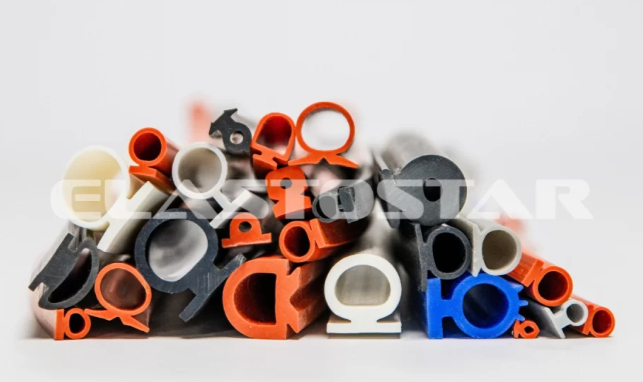
Plastic packaging components can break down under heat, pressure, and repeated use, leading to shedding and microplastic contamination.
Silicone works differently. It maintains structure and cleanliness for protect packaged food.
Key Advantages of Silicone vs Plastic
- Supports plastic-free packaging initiatives.
- Stable structure = fewer particle releases.
- Long-lasting sealing performance.
- Withstands high heat sealing and freezer storage.
- Strong hygiene protection for sensitive products.
- Improved sustainability for brands and consumers.
We ensure this reliability with vulcanized rubber O-rings that seal securely without peeling or shedding into food products.
| Property | Standard Plastic Packaging | Silicone Packaging |
| Particle shedding | High probability | Zero-shedding behavior |
| Durability | Weakens quickly | Long lifespan |
| Food contact safety | Varies | Trusted for hygiene |
| Waste generation | High | Low due to reusability |
| Heat/cold tolerance | Poor | Excellent |
Why It Matters?
Choosing silicone vs. plastic packaging delivers the benefits of silicone over plastic, such as greater safety and durability, making it a smarter, eco-friendly food packaging choice for forward-thinking manufacturers.
Regulatory Standards for Food Packaging: Ensuring Safety and Compliance
Food brands operate under strict global regulations to ensure packaged products remain safe from contamination.
Packaging components must be tested for food-contact safety, traceability, and durability to avoid risks of foreign particles during sealing and handling.
This is why many manufacturers rely on FDA-approved silicone for food, as it offers clean, stable performance in contact with edible products.
Compliance Benefits of Silicone in Packaging
- Supports silicone food packaging requirements.
- Helps meet FDA regulations for packaging with proper documentation.
- Prevents harmful material migration into food.
- Reliable for long-term sealing applications under inspection.
- Reduces risk of recalls related to packaging contamination.
Rubber die gasket components are designed to meet food-grade certification needs for the most regulated packaging lines.
Why Compliance Matters?
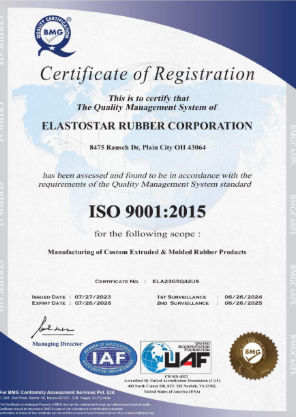
Using certified and traceable silicone parts protects brand reputation, keeps lines audit-ready, and ensures every packaged product is safe for consumers.
Also Read: USA Silicone Seal Manufacturers: FDA & USP Class VI Certified
Why Elastostar Rubber Corporation Is the Trusted Choice for Food-Safe Packaging Solutions?
Food packaging companies need sealing components that prevent contamination while stopping the shedding of harmful particles.
Elastostar Rubber Corporation, a leading food-grade silicone rubber manufacturer in the USA, provides stable, food-safe silicone products designed for long-term performance in modern packaging environments.
What Makes Elastostar Rubber Corporation a Reliable Partner?
- Products meet USP Class VI, Section 87 & 88 compliance.
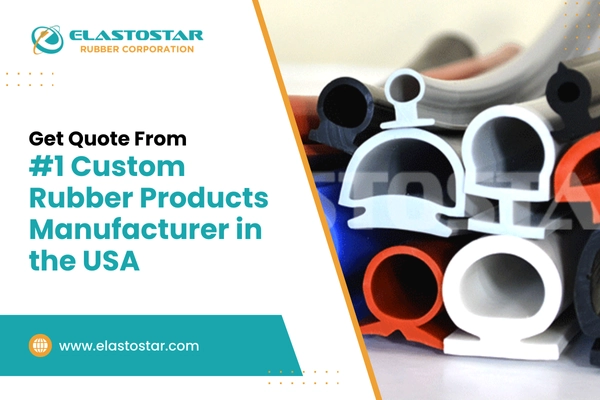
- Custom extruded profiles, O-rings, rubber gaskets, and sheet materials engineered for exact equipment requirements.
- Reverse engineering is available for replacing worn or discontinued components.
- Prototype-to-production run capability to scale as needed.
- Shortest lead time delivery to minimize downtime and supply disruptions.
- Custom manufacturing with a big facility to support high-volume needs.
- Proudly Made in the USA with full material traceability and quality control.
We deliver dependable sealing performance through specialty silicone solutions that maintain product integrity while supporting compliance with evolving food safety standards.
Recommended Reads
- One of the Prime Qualities of Food-Grade Silicone Materials
- FDA Metal-Detectable Silicone Rubber O-Rings, Seals & Gaskets
- Advantages of Platinum-Cured Silicone Tubing
Conclusion
Microplastic contamination has become a major concern for food manufacturers worldwide. From consumer awareness to tightening global regulations, brands can no longer ignore the risks hidden inside their own packaging materials. While traditional plastics may shed particles through friction, heat, and long-term use, food-grade silicone offers a cleaner, more reliable alternative.
Silicone’s non-shedding performance protects product purity, supports sustainable packaging goals, and strengthens compliance with food safety standards. For packaging lines that demand consistency and confidence, upgrading to silicone-based sealing components is a practical and future-ready move.
If your team is evaluating material improvements or preparing for stricter packaging requirements, we are here to help. Contact Elastostar today to discuss clean, compliant, and durable silicone solutions that safeguard your packaging and your brand.
FAQs
Q1. How does microplastic contamination affect food packaging?
When plastic packaging sheds tiny particles, they can end up in the food consumers eat. This impacts product safety, increases regulatory pressure, and can hurt brand trust. Silicone rubber prevents this because it does not break down into microplastics during sealing or handling.
Q2. Why is food-grade silicone the ideal choice for sustainable packaging?
Silicone is reusable, long-lasting, and non-toxic. It reduces packaging waste and keeps food cleaner by avoiding particle shedding. Choosing silicone supports both sustainability goals and improvements in food safety.
Q3. How does silicone compare to plastic for food packaging?
Unlike plastics that weaken and shed over time, silicone stays strong in heat, cold, and repeated use. It keeps its shape, prevents contamination, and performs better in automated packaging systems.
Q4. What regulations govern the use of silicone in food packaging?
Food-grade silicone can be formulated to meet FDA and international standards for food contact. Certified silicone helps manufacturers stay inspection-ready and avoid compliance issues related to material safety.