Designing sealed enclosures becomes challenging when internal pressure changes faster than the structure can adjust. As temperature rises or equipment cycles on and off, trapped air expands and creates closed-cell silicone sponge pressure issues that affect panel fit, gasket stability, and long-term sealing performance.
These factors become even more critical in sensitive or compact sealed enclosure design, where pressure spikes can deform housings or cause seal lift. Our Silicone rubber is a material whose density and cell structure influence behavior. Products like our silicone sponge sheets help stabilize sealing performance.
In this blog, we will explain how these materials manage pressure equalization challenges.
Key Takeaways
- Pressure inside sealed enclosures increases when air heats or expands, pushing against walls and gaskets.
- Closed-cell silicone sponge absorbs small pressure shifts but cannot release trapped air, so correct density and thickness are crucial.
- Air entrapment creates seal lift, bulging, delayed recovery, and micro-gaps that allow dust or moisture entry.
- Temperature cycling increases thermal expansion and contraction, stressing corners, latches, and gasket contact points.
- Common design errors, such as incorrect density, poor groove geometry, or the use of open-cell foam, can cause blowout, distortion, or early seal fatigue.
- Elastostar provides consistent, pressure-stable sponge sheets and custom profiles with controlled density, rebound, and full U.S. traceability.
Table of Contents
How Pressure Build-Up Affects Sealed Enclosures Using Closed Cell Silicone Sponge
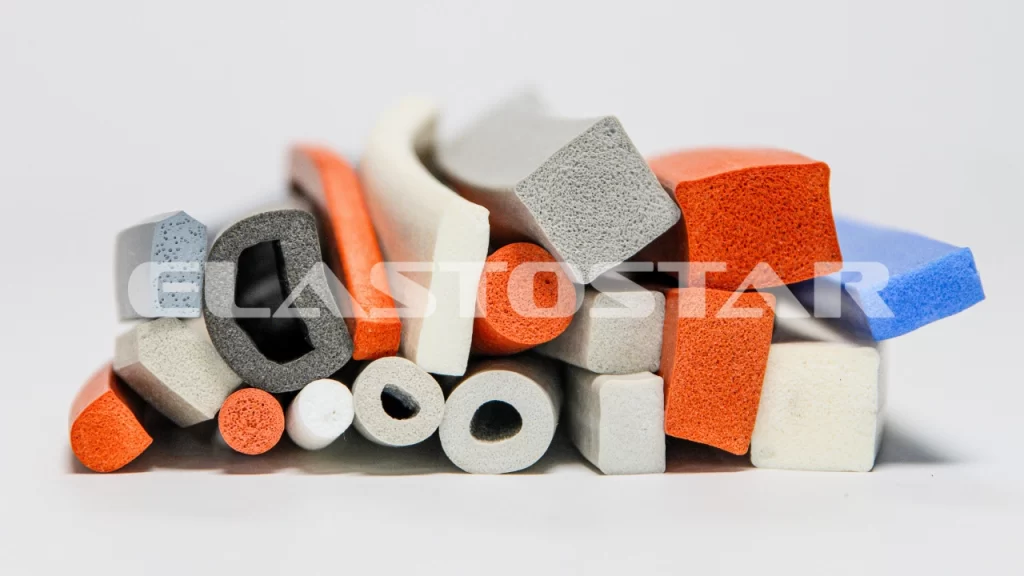
When air inside a sealed enclosure heats up or changes volume, internal pressure rises and pushes against the housing walls and gasket material. Understanding silicone sponge behavior under this pressure is essential because a closed-cell sponge does not easily allow air to escape.
Without proper pressure equalization seals, internal pressure can lift the gasket, distort the cover, or create micro-gaps that allow moisture or dust intrusion.
Closed-cell sponge sheets, such as our silicone sponge sheets, help absorb part of the pressure fluctuation by compressing slightly and preventing sudden seal failure. This allows the enclosure to stay stable even when internal pressure increases.
How Air Entrapment Influences Seal Behavior Under Pressure Changes
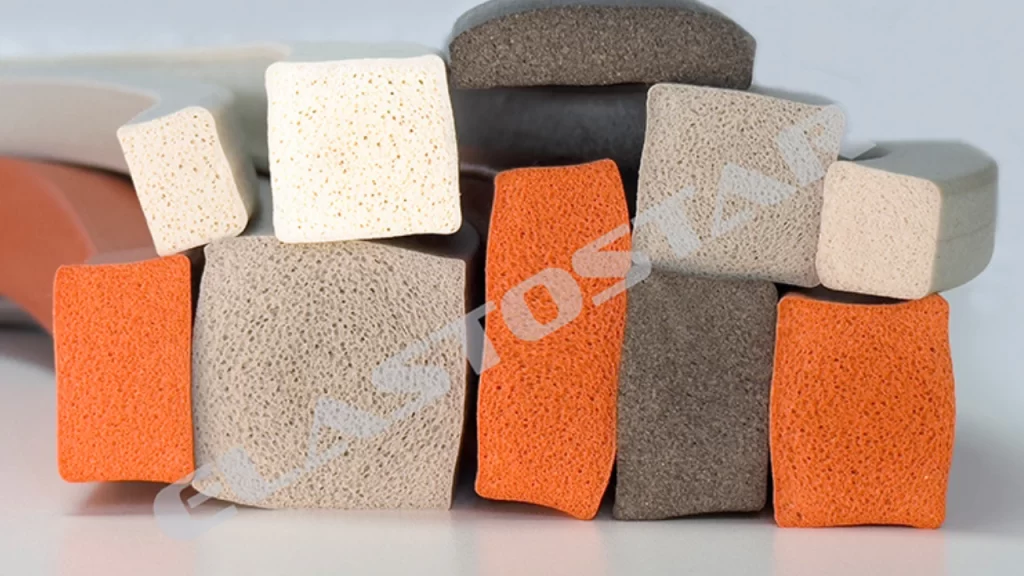
Closed-cell silicone sponge has extremely low air permeability, meaning air cannot readily escape once it enters the enclosure. This creates:
- Sudden pressure spikes inside sealed housings.
- Increased stress on corners and edges.
- Higher risk of panel lift or uneven seal contact.
- Potential micro-gaps are forming along the sealing line.
How Trapped Air Behaves During Pressure Shifts
Once pressure rises, trapped air in seals can cause predictable mechanical reactions:
- Gasket bulging or slight doming.
- Seal lift during temperature increase.
- Delayed compression recovery.
- Extra strain on latch points or screws.
This is why equipment designers often use sponge gaskets that compress evenly and help control internal air expansion without distorting the seal.
Read More–Silicone Sponge, Solid Silicone, or Silicone Foam: What to Choose?
How Thermal Expansion Impacts Equipment Seals and Panel Fit
As internal components heat up, the surrounding air expands, forcing pressure against the enclosure walls. Silicone sponge thermal expansion allows the gasket to move slightly with this pressure, but extreme conditions can overload the seal if the material is not correctly selected.
Our Quality Control standards verify behavior under heat, compression, and cycling:
What Temperature Cycling Does to Seals?
Repeated heating and cooling cycles create temperature cycling effects that impact enclosure stability:
- Expansion of internal air volume.
- Contraction during cooldown.
- Repeated stress on gasket corners.
- Increased compression fatigue.
- Higher seal distortion in thin-wall designs.
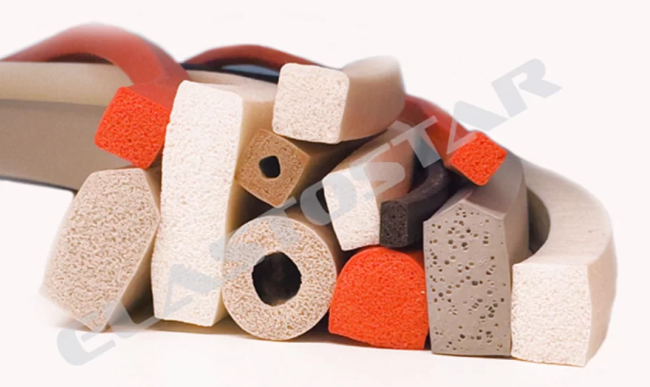
Products like our sponge rubber strips help absorb thermal movement and maintain consistent sealing across varying temperature conditions.
| Property | Closed Cell Silicone Sponge | Solid Rubber | Open-Cell Foam |
|---|---|---|---|
| Thermal expansion stability | High | Medium | Low |
| Pressure absorption | Moderate | Low | Very high but unstable |
| Moisture sealing | Excellent | Excellent | Poor |
| Compression recovery | High | Medium | Low |
This helps engineers instantly see why closed-cell silicone sponge is preferred.
Read More– Silicone Rubber Temperature: How Much Heat Can It Withstand?
Common Design Mistakes That Lead to Pressure-Related Seal Failure
Small errors in material choice or seal geometry can cause major pressure failures in sealed equipment.
Frequent Errors Designers Make
- Choosing the wrong density can cause over-compression.
- Using open-cell foam instead of closed-cell foam for pressure control.
- Selecting materials without verifying temperature or pressure ratings.
- Designing grooves that pinch or crush the sponge unevenly.
- Ignoring how expansion affects corners and latch points.
These silicone-sponge design errors often occur in early prototypes when enclosure pressure is not modeled correctly.
Why These Mistakes Cause Failure
- Gasket blowout from internal pressure spikes.
- Lid warping or panel distortion.
- Micro-gaps that allow dust or moisture entry.
- Loss of rebound after repeated compression cycles.
- Seal lift during thermal expansion.
To prevent these enclosure-sealing mistakes, engineers should consult our tolerance guidelines.
Why Elastostar Rubber Corporation Is the Reliable Choice for Pressure-Sensitive Silicone Sponge Sealing
We help engineers solve pressure imbalance challenges with consistent materials and fully controlled manufacturing.
As a trusted silicone manufacturer in the U.S., we produce sealing materials engineered for stable compression, predictable rebound, and long-term pressure control. All formulations are made in-house, allowing us to maintain consistency, purity, and mechanical performance across every batch.
What Makes Us a Better Partner for OEM Pressure-Sensitive Design

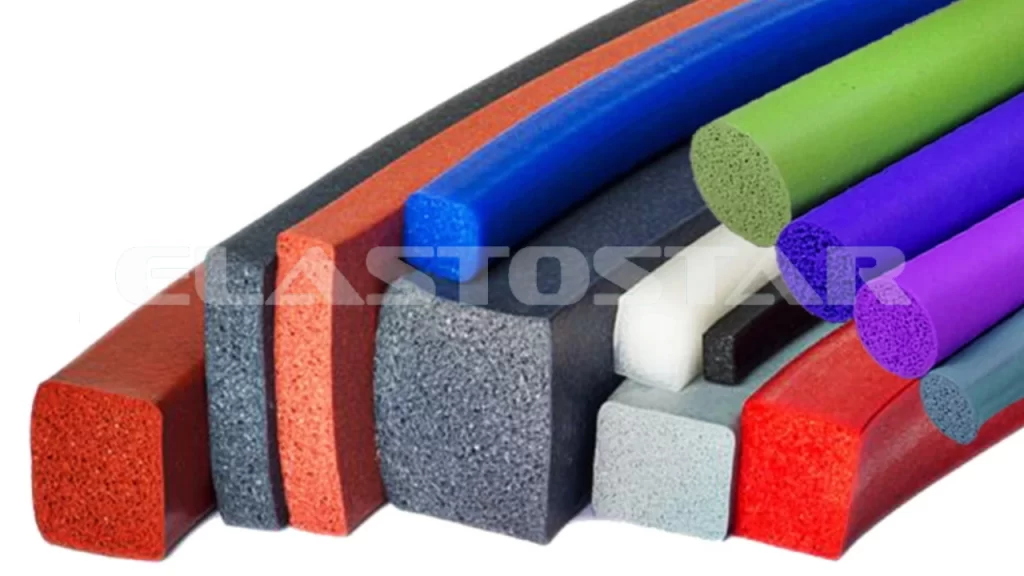
- We supply custom silicone products, including sponge sheets, sponge gaskets, and sponge rubber strips.
- All materials are USP Class VI compliant for regulated environments.
- We offer reverse engineering for existing enclosures and legacy gasket designs.
- Our prototype-to-production support helps teams test pressure behavior early.
- We provide the shortest lead times with dependable replenishment cycles.
- Everything is Proudly Made in the USA, ensuring stable quality and traceability.
- Every batch includes material documentation and trace records.
Recommended Reads
- Difference Between Closed Cell Silicone Sponge vs Dense Silicone Rubber
- Sponge Silicone Rubber Products – Benefits & Applications
- Top 8 Benefits of Using Rubber Seals & Gaskets for Industrial Applications

Conclusion
Managing enclosure pressure is essential for long-term reliability. Closed-cell silicone sponge supports industrial pressure management by absorbing small pressure shifts, maintaining seal contact, and preventing distortion during thermal or operational changes. When equipment cycles, expands, or traps air, properly selected pressure balancing seals keep the enclosure stable and protected.
If your system requires custom sizing, design evaluation, or assistance selecting the correct density and thickness, our engineering team is available. With precise manufacturing and consistent material behavior, we help you design pressure-stable equipment with confidence.
FAQs
1. Does closed-cell silicone sponge affect pressure build-up in sealed equipment?
Yes. Closed-cell silicone sponge pressure behavior directly affects sealed equipment because the material does not allow air to move through it. When internal pressure increases, the sponge compresses only slightly without releasing air. This can create pressure spikes, distort housing panels, or push the seal outward if the enclosure lacks proper venting or flexible sealing zones.
2. Can closed-cell silicone sponge trap air and cause pressure issues?
Yes. Low silicone sponge air permeability means air becomes trapped behind the gasket during assembly or thermal cycling. As internal pressure increases, the trapped air expands, which can cause seal lift, bulging, or micro-gaps. This is most common in compact enclosures where air has no exit path during pressure changes.
3. How does temperature change affect pressure behavior in silicone sponge seals?
Temperature fluctuations cause thermal expansion of the silicone sponge, altering how the gasket responds to pressure within the enclosure. Heat expands internal air, increasing pressure on the seal. Cooling creates a vacuum effect. If the wrong density or thickness is chosen, the seal can deform, lose compression, or allow moisture ingress.
4. How do engineers balance sealing performance with pressure equalization
Engineers use pressure-balancing seals that combine closed-cell sponge with controlled-venting solutions or flexible zones to enable safe pressure adjustment. This approach keeps moisture and dust out while preventing housing distortion or gasket blowout. Proper design ensures seal tightness without pressure lock inside the enclosure.
5. What design mistakes cause pressure failures with silicone sponge seals?
Common silicone sponge design errors include selecting the wrong density, over-compressing the rubber gasket, poor groove geometry, and ignoring thermal expansion. These mistakes often result in seal lift, pressure trapping, panel warping, or leakage when enclosure pressure changes rapidly.