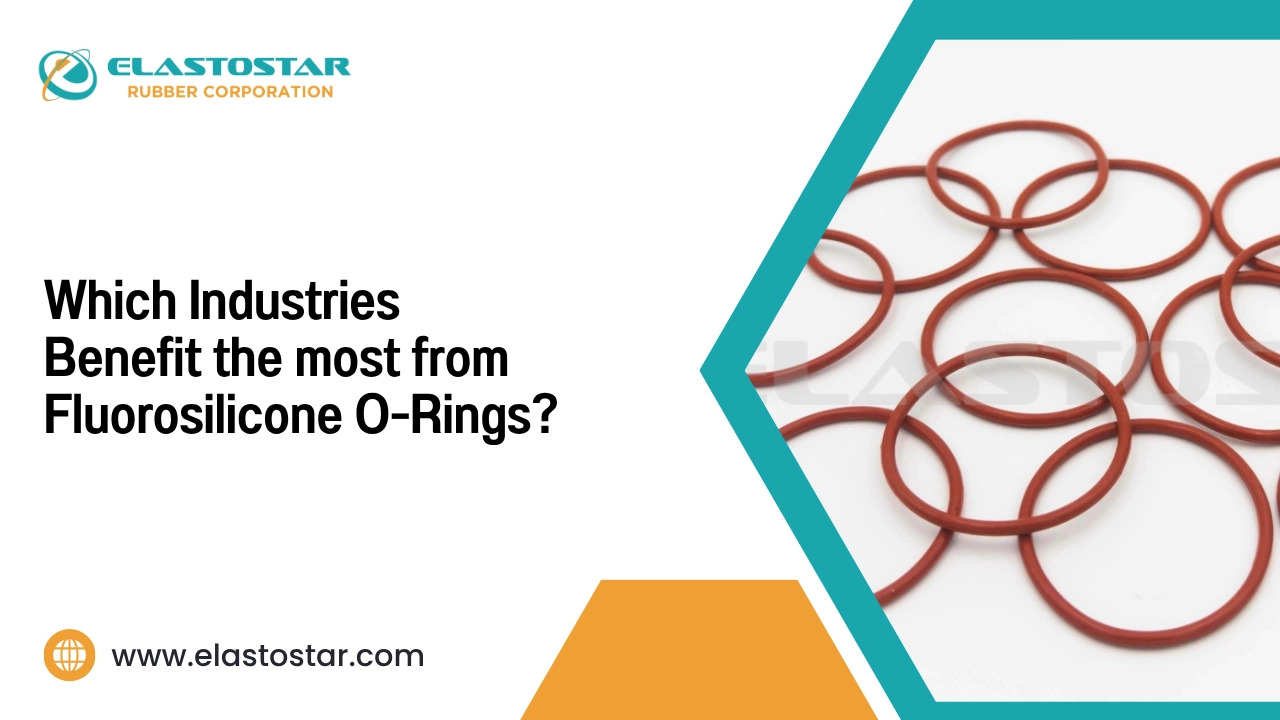
O-rings are considered premium sealing solutions for a reason: they handle fuels, aromatics, and tough solvents while remaining flexible in cold temperatures. But not every application needs that level of performance. If your equipment never sees fuel splash or low-temperature starts, standard elastomers may be enough.
This guide will help you decide. It explains how Fluorosilicone O-ring seals differ, which industries derive the most value from molded O-rings, and how costs compare with benefits, such as reduced leaks, extended life, and decreased downtime, so you can choose the right material for reliability, compliance, and total cost of ownership.
Key Takeaways
- Fluorosilicone O-rings seal in fuels, aromatics, and many solvents and stay flexible in cold starts.
- Pick FVMQ for fuel exposure and low temperatures.
- Pick Viton for continuous high heat in oils.
- Pick VMQ silicone when fuels and solvents are not present.
- Not ideal for steam, some amines, and certain brake fluids. Validate first.
- Higher price comes from special polymers, tight tolerances, and extra testing.
- Payback comes through fewer leaks, longer service life, and less downtime.
- Strong fit for automotive fuel systems, aerospace, electronics and industrial gear, oil and gas, marine, and selective medical devices.
- Made in USA supply with ISO 9001 2015, CoC, CoA, lot traceability, PPAP, and FAI on request.
- Custom sizes, durometers, color ID, and large IDs via spliced and vulcanized cord.
Table of Contents
What Makes Fluorosilicone O-Rings Unique?

Fluorosilicone (FVMQ) is custom silicone chemistry enhanced with fluorinated groups. The result is an elastomer that repels fuels and many solvents while retaining the classic flexibility of silicone.
In real-world terms, it seals reliably in the presence of gasoline, diesel, or aromatics and remains elastic during cold starts, often performing better at low temperatures than many FKMs/Viton. It’s built for tough, variable environments, though it’s not the first choice for steam or certain amines.
- Fuel/solvent resistance: Handles gas, diesel, aromatics, and common solvents far better than standard silicone.
- Wide operating range: Strong low-temp flexibility with solid high-temp performance.
- Durable sealing: Maintains compression set and seal force under harsh duty cycles
For projects that demand extra assurance, many buyers specify high-performance vulcanized O-ring programs for tighter control and documentation.
Read more – How Fluorosilicone O-Rings Handle Aggressive Fuels and Solvents
Can fluorosilicone handle fuels and oils?
Yes. It resists gasoline, diesel, jet fuel, and many other solvents while remaining flexible in cold temperatures.
Now, Lets See Top 5 Industries That Benefit Most from Fluorosilicone O-Rings
1) Automotive Industry

From fuel rails and injectors to EVAP vapor lines, quick-connects, and caps, modern powertrains require seals that won’t swell or soften in the presence of hydrocarbons. This is where automotive fluorosilicone O-rings (FVMQ) earn their keep.
Use fuel-resistant O-ring gaskets, often specified as fluoro-silicone sealing rings, to maintain seal force during cold starts and when handling seasonal blends (E10/E85) that are exposed to under-hood heat.
Why are they chosen?
- Low swell in fuels: Stable in gasoline, diesel, aromatics, fewer leaks and comebacks.
- Cold-start reliability: Keeps elasticity at low temperatures where many materials stiffen.
- Under-hood durability: Good compression set and resistance to weather and ozone.
- Built for production: Available as custom o-rings, o-ring cord with vulcanized o-ring joints for large IDs, and color-ID for quick QA.
For spec sheets and PPAP/FAI, partner with a supplier experienced in O-rings for fuel systems so your groove, durometer, and tolerances are dialed in from prototype to line launch.
Read more – Why Are Silicone Rubber Seals & Gaskets So Popular in the Automotive Industry?
2) Medical & Pharmaceutical Devices
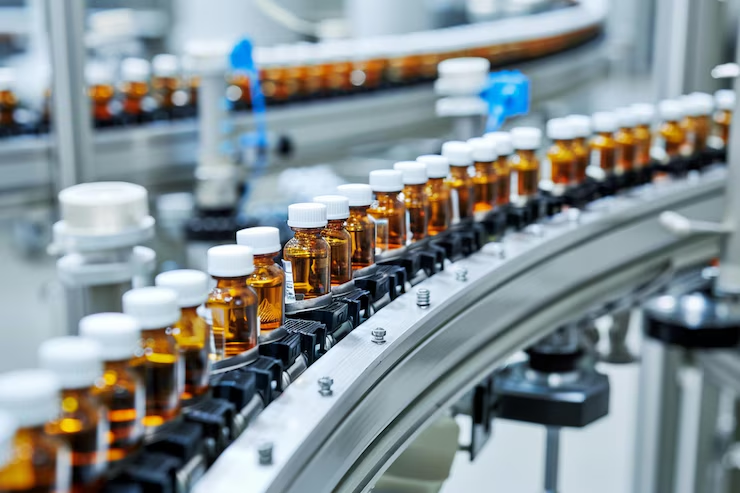
In select healthcare and pharmaceutical applications, seals are frequently exposed to alcohols and cleaning solvents, rather than fuels. Here, medical fluorosilicone O-rings offer an edge.
They resist swelling in IPA and many solvent wipes, while remaining flexible at low temperatures, ensuring that fittings, valves, and sensor housings maintain their seals. Color-coded compounds (often blue) also help QA teams quickly verify the right part in clean areas.
Where do they fit best?
- Components and enclosures that see routine solvent wipe-downs.
- Instrument seals that must hold compression set through chill/down-time cycles.
- Manifolds and connectors with square O-rings for pharmaceutical devices reduce leak risk.
Important: always validate against your sterilization method. For repeated steam/autoclave use, EPDM gasket or PTFE-based solutions may be better. For EtO, gamma, or specific solvents, run media/temperature testing to confirm long-term performance.
3) Electronics & Industrial Equipment
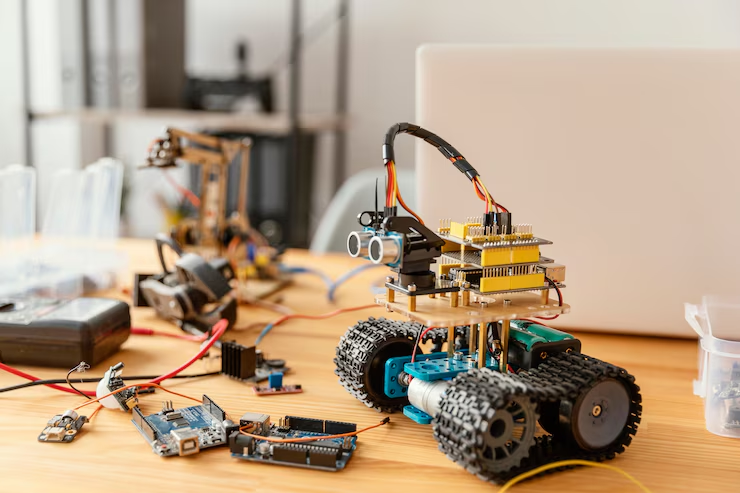
In electronics and industrial environments, seals are exposed to vapor, light solvent splash, and wide temperature swings. Electronics fluorosilicone O-rings help enclosures, pumps, compressors, metering blocks, and test rigs maintain their rating (IP/IPX) by resisting compression set and hydrocarbon swell.
They also stay elastic in cold rooms and during start-ups, reducing leaks and unplanned maintenance.
Where do they fit?
- Electronic enclosures and sensor housings exposed to fuels/solvents in production areas
- Pumps, compressors, meters, and calibrators with intermittent solvent contact
- Test stands/emissions rigs cycling between ambient and low temperatures
Why do they help?
- Low swell in hydrocarbons preserves seal force and IP integrity
- Stable sealing across temperature swings; good low-temp flexibility
- Available as custom sizes/durometers, large IDs via spliced & vulcanized cord, and color ID for fast QA
For consistent lot-to-lot quality and documentation, source from an experienced industrial fluorosilicone O-rings manufacturer that can support validation and traceability.
Read more – Why Electrically Conductive O-Rings Are Essential in Electronics
What makes FVMQ ideal for electronics/industrial gear?
Low swell in hydrocarbons and stable sealing across temperature swings.
4) Oil & Gas / Energy Systems
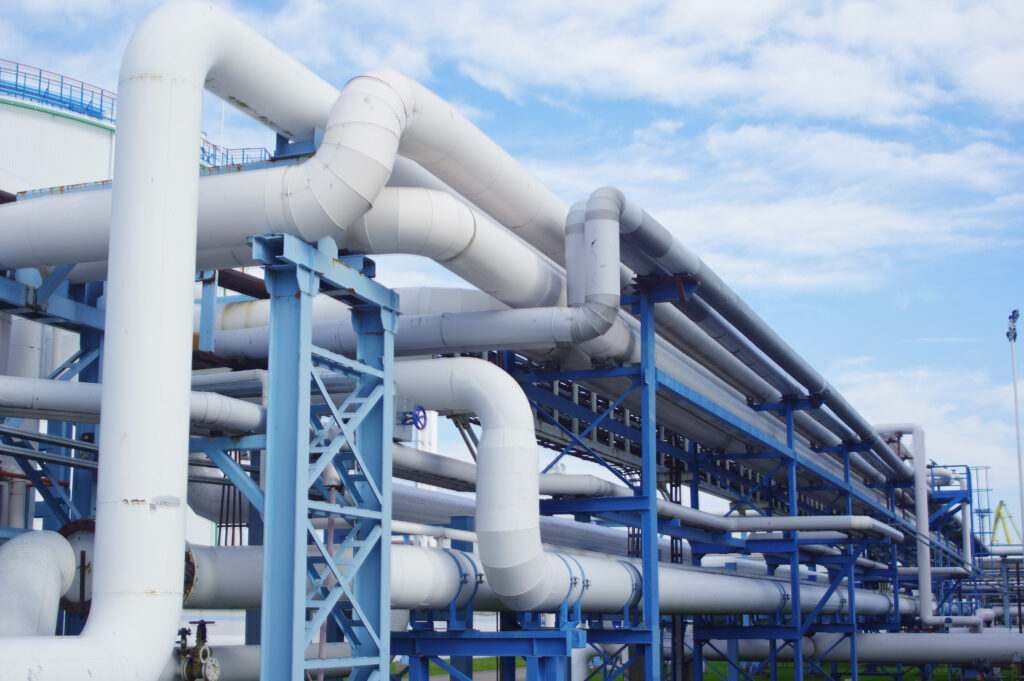
In refineries, terminals, and test stands, seals are exposed to fuels, aromatics, and intermittent solvent washdowns. Fuel-resistant o-ring seals help transfer skids, analyzer shelters, compressor housings, valves, and metering equipment to stay leak-tight across temperature swings.
Where do they fit?
- Fuel transfer skids, sampling ports, meter runs, compressor panels
- Analyzer shelters and solvent-cleaned instrumentation
- Portable test rigs cycling between ambient and cold starts
Why do they help?
- Low swell in hydrocarbons preserves compression set and calibration integrity
- Good low-temp elasticity reduces startup leaks
- Available as custom o-rings, o-ring cord (spliced/vulcanized) for large IDs, with color ID for QA
Read more – Preventing Pipeline Failures with High-Performance Silicone O-Rings
5) Marine & Small Engines
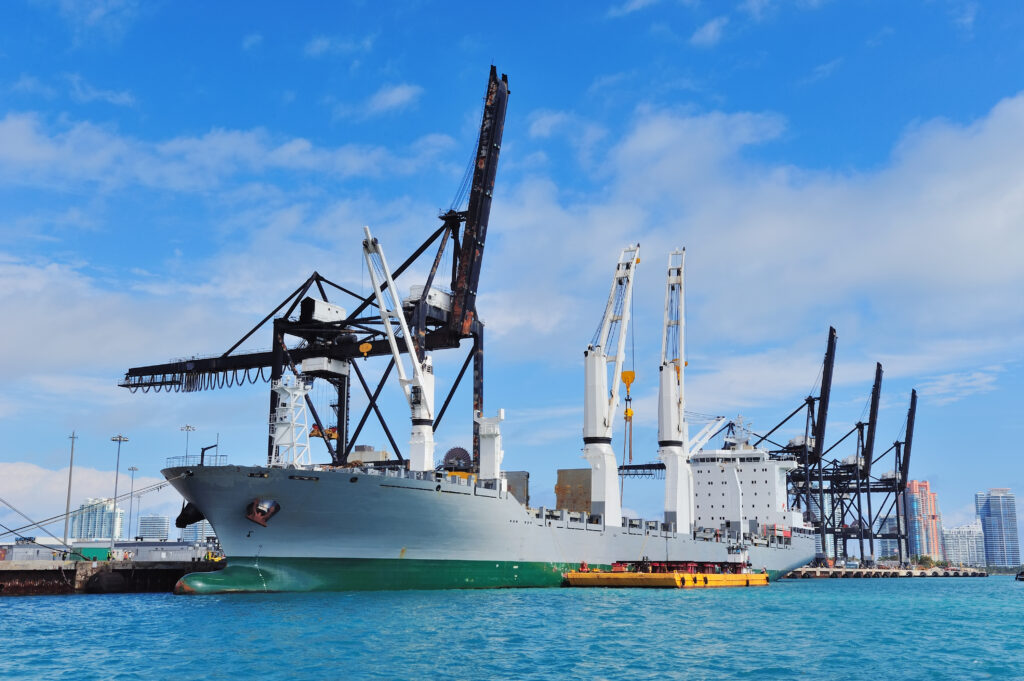
Boats, generators, and power equipment are affected by ethanol blends, aromatics, and significant ambient changes. Automotive-grade o-ring gaskets for fuel systems (used here in marine/small engine duty) keep primer bulbs, carburetors, injectors, and quick-connects sealed without swelling or softening.
Where do they fit?
- Outboard/inboard fuel lines, primer bulbs, fuel caps, QDs
- Small engine carburetors, pumps, and generator fuel systems
Why do they help?
- Resist gasoline/diesel + E-fuel blends to cut seasonal leak issues
- Stay flexible in cold starts; maintain seal force after storage
- Options for high-pressure o-rings, high-temp o-rings, and custom o-rings to match groove and durometer
Why Made in USA Fluorosilicone O-Rings Are Trusted?
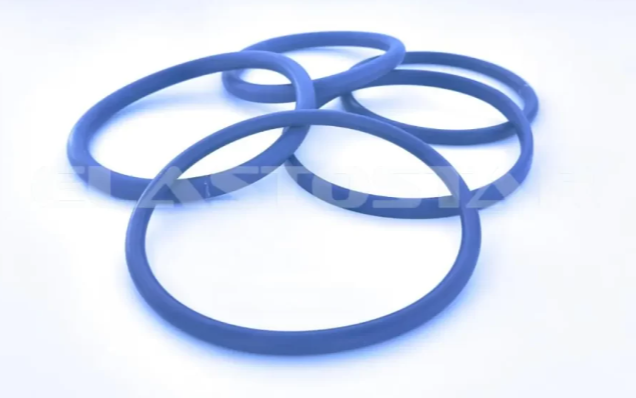
Sourcing made in the USA fluorosilicone O-rings gives OEM teams predictable quality and smoother program launches. U.S. plants operate ISO 9001:2015 systems with full traceability, enabling easy auditing of lot numbers, material certificates, and corrective actions.
You also benefit from faster lead times and cleaner change control (ECN/ECO), which ensures that prototypes, PPAP/FAI, and production ramp-ups stay on schedule.
A USA-based fluorosilicone O-rings manufacturer can collaborate directly with your engineers on durometer, tolerances, and groove fit reducing rework and line stops.
- Compliance-ready: ISO 9001:2015, CoC/CoA, lot traceability, PPAP/FAI on request
- Speed & stability: Short lead times, reliable replenishment, fewer logistics surprises
- Engineer-to-engineer support: Quick tweaks on design, tooling, and post-cure to hit spec
Why OEMs Choose Elastostar ISO 9001:2015, Made in USA, Custom Fluorosilicone O-Rings at Scale

We are an ISO 9001:2015-certified, Made in USA manufacturer built for custom manufacturing at scale. At our large facility, we mold and extrude fluorosilicone O-rings, offering reverse engineering, design assistance, and rapid prototyping to production runs.
You get the shortest lead time delivery, consistent lot-to-lot quality, and full documentation (CoC/CoA; FAI/PPAP on request). For regulated applications, our materials are tested to USP Class VI (USP <88> & <87>) pass. Automotive, aerospace, medical, and industrial OEMs rely on our traceability, precise durometer control, color ID, and large-ID options (spliced/vulcanized) without compromising tolerances.
When uptime matters, we deliver predictable performance and a stable supply, your dependable source for Elastostar fluorosilicone O-rings in the USA and custom solutions across various industries.
Recommended Reads
- How Fluorosilicone O-Rings Handle Aggressive Fuels and Solvents
- Fluorosilicone vs Silicone: What’s the Difference?
- Viton® vs Silicone Rubber: What Is the Best Choice for Your Business?
Conclusion
Fluorosilicone sealing excels where it matters most: in the automotive, aerospace/defense, medical/pharma, electronics/industrial, and oil & gas/marine sectors. In these environments, our custom O-ring seals deliver fewer leaks, longer service life, and dependable cold-start sealing benefits that routinely outweigh a higher unit cost by lowering the total cost of ownership and protecting uptime.
As a Made in USA, ISO 9001:2015 certified manufacturer, we support you from reverse engineering and design help to prototype and full production, with documentation and traceability you can trust.
Let’s spec it right the first time. Contact us for custom fluorosilicone O-ring solutions, RFQs, samples, or a fast design review so we can match the material, durometer, and tolerances to your application and deliver on time.
FAQs
Q1.What industries use fluorosilicone O-rings the most?
Automotive fuel systems, aerospace/defense fuel handling, electronics/industrial equipment, oil & gas transfer skids, marine/small engines, and selective medical/lab devices that see solvents or cold starts.
Q2.Why are fluorosilicone O-rings preferred in automotive and aerospace?
They resist fuels/aromatics, hold seal force after cold-soak or cold starts, and reduce leak-related callbacks, exactly what powertrains and flight hardware need.
Q3.Are fluorosilicone O-rings suitable for medical and pharmaceutical devices?
Yes, for components exposed to certain cleaning solvents (not steam). We always validate against the sterilization method, and we offer USP Class VI material options.
Q4.What makes fluorosilicone ideal for electronics and industrial equipment?
Low swell in hydrocarbons preserves compression set and IP ratings, while stable low-temperature flexibility ensures enclosures, pumps, and test rigs remain leak-tight.
Q5.Can fluorosilicone O-rings handle exposure to fuels and oils?
Yes, gasoline, diesel, jet fuel, aromatics, and many solvents. We recommend validation for steam, amines, and certain brake fluids.
Q6.Are fluorosilicone O-rings used in oil & gas or marine industries?
Absolutely, fuel transfer skids, analyzer shelters, meter runs, and marine fuel systems benefit from reduced swell and improved cold-start sealing.
Q7.What are the benefits of made-in-USA fluorosilicone O-rings?
Shorter lead times, consistent quality systems, full traceability, easier audits, and faster engineer-to-engineer collaboration.
Q8.How long do fluorosilicone O-rings last compared to silicone or Viton?
In fuels/solvents, they typically outlast standard silicone. For continuous high heat without fuels, FKM/Viton can run longer. Actual life depends on media, temperature, and design.
Q9.Can I order bulk custom fluorosilicone O-rings in the USA?
Yes. We supply custom sizes/durometers/colors with CoC/CoA, lot traceability, and FAI/PPAP. Contact us for an RFQ, samples, or a quick design review.